

Haben Sie schon einmal mitten in Ihrer Hautpflege-Routine innegehalten, fasziniert von der eleganten Tube oder dem luxuriösen Tiegel in Ihren Händen, und sich gefragt, woher diese stammen? Die Verpackung von Hautpflegeprodukten ist keineswegs nur ein Nebengedanke; sie wird sorgfältig von spezialisierten Herstellern bezogen, die Materialwissenschaft, Markenverständnis und logistische Kompetenz gekonnt miteinander verbinden. In diesem umfassenden Leitfaden beleuchten wir folgende Themen:
- Die wichtigsten Anbieter von Flaschen, Tiegeln, Tuben und Schachteln für führende Hautpflegeserien.
- Die vielfältigen Materialien, die sowohl hochwertige als auch umweltbewusste Verpackungslösungen ermöglichen.
- Wie Marken bei der Partnerauswahl vorgehen und dabei Kosten, Mindestbestellmengen und Nachhaltigkeitsverpflichtungen in Einklang bringen.
- Die überzeugenden Vorteile individuell bedruckter Kartonverpackungen und die neuesten Trends in Sachen wiederbefüllbare, recycelbare und intelligente Designs.
- Wirksame Strategien zur Abstimmung von Primärverpackungen auf maßgeschneiderte Umkartons.
- Hier können Hautpflegemarken im Direct-to-Consumer-Bereich (D2C) und im E-Commerce Kontakte zu zuverlässigen Spezialisten für maßgeschneiderte Verpackungen knüpfen.
Ganz gleich, ob Sie eine in Kleinserien hergestellte handwerklich gefertigte Creme auf den Markt bringen oder ein florierendes Direktvertriebsimperium ausbauen – das Verständnis der Ursprünge von Hautpflegeverpackungen ist von grundlegender Bedeutung, um unvergessliche Auspackerlebnisse zu schaffen und Ihre Lieferkette zu optimieren.
Wer sind die führenden Anbieter von Hautpflegeverpackungen und Hersteller von Kosmetikverpackungen?
Führende Hautpflegemarken gehen strategische Partnerschaften mit spezialisierten Verpackungslieferanten ein, um Verpackungen zu erhalten, die nicht nur ihre Rezepturen schützen, sondern auch die Markenidentität wirkungsvoll stärken und strenge globale regulatorische Standards erfüllen. Diese bedeutenden Akteure lassen sich in der Regel in drei verschiedene Kategorien einteilen, die durch ihre Kernkompetenzen definiert sind:
- Spezialisten für Primärverpackungen – Hersteller, die sich auf die Produktion von Flaschen, Gläsern, Tuben, Airless-Pumpen und Tropfern spezialisiert haben.
- Innovatoren im Bereich Tuben und Beutel – Die Hersteller konzentrierten sich auf die Herstellung von Tuben, hochwertigen Laminat-Beuteln und praktischen Einwegproben.
- Maßgeschneiderte Verpackungskunsthandwerker – Hersteller, die sich auf maßgeschneiderte Umverpackungen spezialisiert haben, die sich durch lebendige Vollfarbdrucke, hochwertige Spezialveredelungen und präzise gefertigte Einlagen auszeichnen.
Gemeinsam bieten diese Anbieter umfassende Unterstützung über das gesamte Spektrum der Hautpflegepräsentation und -logistik hinweg und schaffen damit die Grundlage für sorgfältig maßgeschneiderte Verpackungsstrategien.
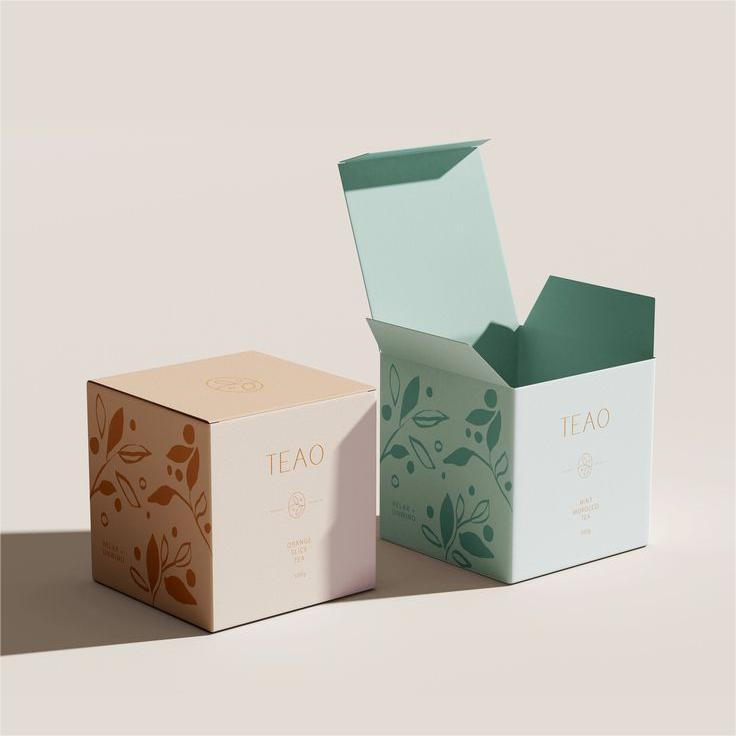
Holen Sie sich ein Angebot für eine individuelle Hautpflege-Box von LansBox
Welche Verpackungsvarianten bieten Anbieter von Hautpflegeprodukten an?
Anbieter von Verpackungen für Hautpflegeprodukte bieten eine umfangreiche Auswahl an Primärverpackungen, die sorgfältig für eine breite Palette von Produkten wie Cremes, Seren, Reinigungsprodukte und Masken entwickelt wurden.
Jeder Verpackungstyp ist so konzipiert, dass er die Materialeigenschaften optimal auf die spezifischen Produktanforderungen abstimmt – so wird beispielsweise ein UV-empfindliches Serum möglicherweise in Braunglas abgefüllt, während ein Reiseset von der Leichtigkeit von Tuben profitiert. Diese vielfältige Auswahl an Primärverpackungen veranlasst Marken natürlich dazu, ergänzende Optionen für Sekundärverpackungen in Betracht zu ziehen.
Wie unterstützen Verpackungshersteller Hautpflegemarken?
Verpackungshersteller bieten weit mehr als nur die reine Produktion und stellen eine Reihe wichtiger Dienstleistungen bereit:
- Exzellenz in Design und Prototypenentwicklung – Wir erstellen anspruchsvolle 3D-Renderings, greifbare Modelle und fachkundige statische Berechnungen, um sicherzustellen, dass sowohl die ästhetische Anziehungskraft als auch die einwandfreie Funktionalität perfekt mit der Vision der Marke im Einklang stehen.
- Strenge Qualitätskontrolle – Durchführung strenger Inline-Prüfungen und umfassender Chargenprüfungen, um Dichtheit, Materialintegrität und präzise Druckgenauigkeit zu gewährleisten.
- Strategische Beschaffung im Zeichen der Nachhaltigkeit – Wir bieten Zugang zu innovativen Materialien wie PCR-Kunststoffen, FSC-zertifiziertem Karton und fortschrittlichen Biokunststoffen auf pflanzlicher Basis, die die sich ständig weiterentwickelnden Umweltstandards erfüllen und sogar übertreffen.
- Unbezahlbare regulatorische Leitlinien – Unterstützung bei der optimalen Platzierung von Etiketten, der korrekten Formatierung der Zutatenangaben und der Einhaltung der gesetzlichen Vorschriften für internationale Märkte.
Diese ganzheitliche, durchgängige Partnerschaft trägt entscheidend dazu bei, Produktionsverzögerungen zu vermeiden und den Ruf der Marke zu wahren. So werden Marken optimal darauf vorbereitet, anspruchsvolle Lösungen für individuell bedruckte Kartons zu entdecken, die ihren gewählten Verpackungsmix perfekt ergänzen.
Welche Unternehmen zeichnen sich bei der Gestaltung individueller Verpackungen für Hautpflege-Boxen aus?
Zwar bieten viele Anbieter von Primärverpackungen einfache Kartonvarianten an, doch für wirklich außergewöhnliche, individuell bedruckte Kartonverpackungen sind spezielle Fachkenntnisse in den Bereichen Drucktechnik, aufwendige Spezialveredelungen und innovatives Konstruktionsdesign erforderlich. Boutique-Verpackungsunternehmen zeichnen sich durch ihre Meisterschaft in folgenden Bereichen aus:
- Hochwertiger Vollfarbdruck im Digital- und Offsetverfahren, einschließlich präziser Pantone-Farbabstimmung.
- Exquisite Veredelungseffekte wie glänzende Folienprägung, elegante Reliefprägung, luxuriöse Soft-Touch-Laminierung und auffällige Spot-UV-Veredelungen.
- Maßgefertigte Einsätze, sorgfältig aus gestanztem Karton oder nachhaltiger Formmasse hergestellt.
Für Marken, die Wert auf bedarfsgerechtes Prototyping und flexible, niedrige Mindestbestellmengen legen, bieten spezialisierte Verpackungshersteller eine unvergleichliche Flexibilität und kreative Raffinesse – und ebnen damit den Weg für wahrhaft unvergessliche Unboxing-Erlebnisse und eine deutlich stärkere Markenerinnerung.
Welche Materialien werden üblicherweise für Hautpflegeverpackungen verwendet?
Die für Hautpflegeverpackungen verwendeten Materialien decken ein breites Spektrum ab, das von äußerst kostengünstigen Optionen bis hin zu den hochwertigsten Varianten reicht, die jeweils aufgrund ihrer einzigartigen funktionalen und ästhetischen Eigenschaften ausgewählt werden.
Marken kombinieren diese Materialien häufig miteinander – beispielsweise indem sie ein Glas in eine schützende Kartonhülle einlegen –, um ein optimales Gleichgewicht zwischen Produktschutz, Umweltverantwortung und überzeugendem Markenerzählen zu erreichen.
Inwiefern tragen Papier- und Kartonmaterialien zur Aufwertung von Verpackungen für Hautpflegeprodukte bei?
Pappkarton und Karton bilden eine nachhaltige und hochwertige Grundlage für Sekundärverpackungen. Sie:
- Unterstützen Sie fachkundig die detailgetreue Farbwiedergabe und erwecken Sie die visuellen Elemente und Geschichten Ihrer Marke zum Leben.
- Sie bieten die erforderliche strukturelle Festigkeit und schützen empfindliche Primärbehälter während des Transports.
- Ermöglichen Sie eine einfache Montage und eine effiziente Lagerung als Flachpack, wodurch das Versandvolumen und die Versandkosten reduziert werden.
- Sind mit einer Vielzahl hochwertiger Beschichtungen kompatibel – von hochglänzendem UV-Lack bis hin zu raffinierten matten Soft-Touch-Oberflächen.
Dank dieser vielseitigen Eigenschaften ist Karton das Material der Wahl für Abo-Boxen, sorgfältig zusammengestellte Geschenksets und auffällige Verkaufsdisplays, da er eine ansprechende Optik im Regal nahtlos mit vorbildlichen Umweltmerkmalen verbindet.
Welche Rolle spielen Kunststoffe, Glas und Aluminium bei der Verpackung von Hautpflegeprodukten?
Bei der Primärverpackung kommt in hohem Maße auf fachmännisch entwickelte Kunststoffe, Glas und Aluminium zum Einsatz, um die Produktintegrität zu gewährleisten und das Nutzererlebnis zu verbessern:
- PET-, PP- und HDPE-Kunststoffe bieten leichte, bruchsichere Lösungen für Flaschen und Tuben an.
- Glasgefäße und -flaschen vermitteln ein Gefühl von Luxus und bieten außergewöhnliche Barriereeigenschaften.
- Aluminiumrohre und -flaschen bieten umfassenden Schutz vor Licht und Sauerstoff in einer weitgehend recycelbaren Metallverpackung.
Die Wahl des optimalen Ausgangsmaterials hängt von der chemischen Zusammensetzung des Produkts, der angestrebten Markenpositionierung und dem Komfort für den Endverbraucher ab.
Welche umweltfreundlichen Materialien liegen derzeit bei Verpackungen für Hautpflegeprodukte im Trend?
Nachhaltigkeit ist die treibende Kraft hinter den neuesten Innovationen bei Verpackungsmaterialien für Hautpflegeprodukte:
- Kunststoffe aus Post-Consumer-Recycling (PCR) senken den Bedarf an Neuplastik erheblich und tragen aktiv zur Umsetzung der Prinzipien der Kreislaufwirtschaft bei.
- Tinten auf Sojabasis und Lacke auf Wasserbasis minimieren den Gehalt an flüchtigen organischen Verbindungen (VOC) auf bedruckten Kartonagen.
- Biologisch abbaubare Verbundwerkstoffe aus Bambusfasern oder Polymeren auf Zuckerbasis, die sich nach Gebrauch auf natürliche Weise zersetzen.
- Konstruktionen aus einem einzigen Material, die sorgfältig darauf ausgelegt sind, am Ende ihrer Lebensdauer problemlos recycelt werden zu können, ohne dass komplexe Sortierprozesse erforderlich sind.
Untersuchungen zeigen, dass die Verwendung von 100%-Recyclingmaterialien in Kosmetikverpackungen aus Kunststoff zu einer erheblichen Verringerung der Gesamtumweltbelastung führen kann, die in der Regel zwischen 42% und 60% liegt. Diese Untersuchung unterstreicht, dass Strategien wie die Dematerialisierung (Reduzierung der Gesamtmenge an Verpackungen) und der Einsatz von Recyclinganteilen äußerst wirksam sind, um den ökologischen Fußabdruck von Kosmetikverpackungen zu minimieren.
Durch die durchdachte Integration dieser nachhaltigen Optionen können Hautpflegeunternehmen der wachsenden Nachfrage der Verbraucher nach umweltfreundlicheren Verpackungen effektiv gerecht werden und sich gleichzeitig auf einem zunehmend umkämpften Markt eine unverwechselbare Identität schaffen.
Wie wählen Hautpflegeunternehmen ihre Verpackungslieferanten strategisch aus?
Die Wahl des Verpackungslieferanten hat einen entscheidenden Einfluss auf die Produktsicherheit, die Markenwahrnehmung und die Gesamtkostenstruktur. Unternehmen aus der Hautpflegebranche prüfen potenzielle Partner sorgfältig anhand einer ausgewogenen Bewertung von Qualität, Flexibilität und ethischen Standards, um einen nachhaltigen Erfolg sowohl bei der Produktion als auch bei der Präsentation zu gewährleisten.
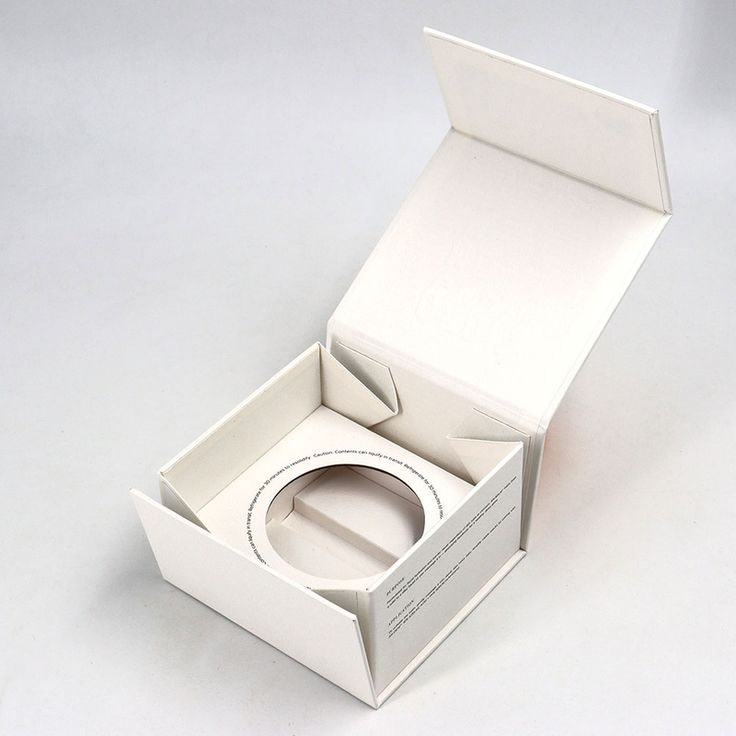
Holen Sie sich ein Angebot für eine individuelle Hautpflege-Box von LansBox
Welche entscheidenden Faktoren beeinflussen die Auswahl von Verpackungslieferanten?
Marken berücksichtigen in der Regel die folgenden entscheidenden Faktoren:
- Anpassungsmöglichkeiten: Inwieweit sind einzigartige Strukturen, raffinierte Oberflächen und innovative Druckeffekte verfügbar?.
- Qualitätssicherung bei Werkstoffen: Gleichbleibende Barrierewirkung, klare Druckqualität und allgemeine Haltbarkeit der verwendeten Materialien.
- Überprüfung der Nachhaltigkeitsnachweise: Vorhandensein von Zertifizierungen, Transparenz hinsichtlich der Anteile an Recyclingmaterial sowie umfassende Berichterstattung zum CO₂-Fußabdruck.
- Bewertung der Kosteneffizienz und Skalierbarkeit: Wettbewerbsfähige Preisstrukturen, die sowohl Kleinserien als auch Großserienfertigung abdecken.
- Technischer Support und Fachwissen: Die Verfügbarkeit hauseigener Designteams, umfassender Prototyping-Dienstleistungen und kompetenter Beratung in regulatorischen Fragen.
Diese sorgfältig durchdachten Kriterien ermöglichen es Marken, ihre Verpackungsentscheidungen genau auf ihre Marketingziele, betrieblichen Gegebenheiten und ehrgeizigen Umweltziele abzustimmen.
Wie beeinflussen Mindestbestellmengen und Lieferzeiten die Entscheidungsfindung?
Mindestbestellmengen (MOQs) und Produktionszeitpläne haben direkten Einfluss auf das Finanzmanagement einer Marke und ihre Markteinführungsgeschwindigkeit. Niedrigere Mindestbestellmengen sind besonders für aufstrebende D2C-Marken von Vorteil, da sie dazu beitragen, die Kapitalvorausinvestitionen zu begrenzen. Ebenso sind zuverlässige und vorhersehbare Lieferzeiten entscheidend, um sicherzustellen, dass saisonale Werbeaktionen oder zeitkritische Produkteinführungen genau im Zeitplan bleiben. Die Aushandlung realistischer Mindestbestellmengen und transparenter Zeitpläne fördert den kooperativen Geist und mindert das Risiko von Lieferengpässen erheblich.
Warum ist die Markenidentität bei der Auswahl eines Verpackungslieferanten von entscheidender Bedeutung?
Die Verpackung fungiert als greifbare, dreidimensionale Werbefläche für eine Hautpflegemarke. Lieferanten, die über ein tiefgreifendes Verständnis für den einzigartigen Tonfall einer Marke, ihre unverwechselbaren Farbpaletten und die spezifischen Erwartungen der Nutzer an das Nutzererlebnis verfügen, sind in der Lage, Schachteln und Behälter zu liefern, die:
- Die zentralen Markenwerte sollen bereits beim ersten Eindruck deutlich zum Ausdruck kommen.
- Machen Sie das Auspacken zu einem besonderen Erlebnis und fördern Sie so wertvolle Beiträge in den sozialen Medien sowie organische Reichweite.
- Integrieren Sie dezente haptische Akzente (wie Soft-Touch-Beschichtungen oder geprägte Logos), die die wahrgenommene Qualität und den Luxus deutlich steigern.
Die Entscheidung für einen Lieferanten, der sich bestens mit narrativem Design auskennt, gewährleistet die Entwicklung von Verpackungen, die die Identität der Marke authentisch verkörpern – vom Verkaufsregal bis hin zum Zuhause des Kunden.
Was sind die wesentlichen Vorteile von individuell bedruckten Verpackungen für Hautpflegemarken?
Individuell bedruckte Verpackungskartons verwandeln gewöhnliche Umverpackungen in wirkungsvolle Markenbotschafter und bieten eine überzeugende Kombination aus funktionalen und emotionalen Vorteilen, die eine stärkere Kundenbindung fördern und zu Wiederholungskäufen anregen.
Durch strategische Investitionen in maßgeschneiderte Verpackungslösungen machen Hautpflegeunternehmen die Verpackung effektiv von einem bloßen Gebrauchsgegenstand zu einem wirkungsvollen strategischen Aktivposten.
Wie trägt eine maßgeschneiderte Verpackung dazu bei, die Markenbekanntheit zu steigern und das Kundenerlebnis zu verbessern?
Maßgeschneiderte Kartonagen ermöglichen es Marken, fesselndes Storytelling nahtlos in jede Falz und jede Fläche zu integrieren. Randloser Druck, strategisch platzierte UV-Spotlackierungen und markenspezifische Texte laden Kunden zu einer emotionalen Bindung ein, während interaktive Elemente – wie abreißbare Enthüllungen oder raffinierte Pop-up-Strukturen – für wahrhaft unvergessliche Auspackmomente sorgen, die aktiv zum Teilen in sozialen Medien und zu wertvoller Mund-zu-Mund-Propaganda anregen.
Welche Gestaltungs- und Druckoptionen gibt es für individuell gestaltete Hautpflege-Verpackungen?
Marken stehen zahlreiche kreative und funktionale Möglichkeiten zur Verfügung, darunter:
- Hochauflösender Vollfarb-Offset- und Digitaldruck, der eine präzise Farbwiedergabe nach PMS oder CMYK gewährleistet.
- Luxuriöse Sonderveredelungen wie schimmernde Gold- oder Silberfolienprägung, elegante Reliefprägung und raffinierte Vertiefungsprägung sorgen für ein haptisches Luxuserlebnis.
- Hochwertige Soft-Touch- und Matt-Laminierungen, die sich samtig anfühlen und ein unverkennbares Gefühl von Premium-Qualität vermitteln.
- Innovative, maßgeschneiderte Konstruktionslösungen, darunter elegante, starre Schachteln mit Magnetverschluss, praktische Kartons im Schubladenstil und effiziente Faltversandtaschen.
Diese vielfältigen Optionen verbinden auf kunstvolle Weise kreativen Ausdruck mit praktischer Funktionalität und sorgen dafür, dass die Schachteln nicht nur optisch ansprechend sind, sondern auch optimalen Schutz für ihren Inhalt bieten.
Wie sorgt eine maßgeschneiderte Verpackung dafür, dass Hautpflegeprodukte während des Transports sicher geschützt sind?
Entwickler von maßgeschneiderten Verpackungen integrieren fachmännisch robuste Schutzvorrichtungen, darunter präzise gestanzte Kartoneinsätze, passgenaue Formteile aus Formmasse und widerstandsfähige Wabentrennwände. Diese inneren Strukturen stabilisieren Flaschen und Gläser effektiv, dämpfen Stoßkräfte und verhindern unerwünschte Bewegungen – wodurch die Bruchrate deutlich gesenkt und die entscheidende Zufriedenheit der Endkunden beim ersten Gebrauch gesteigert wird.
Was sind die wichtigsten Trends im Bereich nachhaltiger Kosmetikverpackungen für Hautpflegeunternehmen?
Wie verändern wiederbefüllbare und recycelbare Verpackungslösungen den Markt?
Die Einführung von nachfüllbaren Tiegeln und Kartuschen ermöglicht es Kunden, leere Behälter zurückzugeben oder zurückzusenden – oft im Austausch gegen einen Rabatt auf ihre nächste Nachfüllung. Dieses innovative Modell reduziert den Materialverbrauch im Laufe der Zeit drastisch, fördert die kontinuierliche Kundenbindung und signalisiert deutlich das unerschütterliche Engagement einer Marke für die Abfallreduzierung – was bei umweltbewussten Verbrauchern eine starke Loyalität schafft. Eine aktuelle Studie zur Bewertung der Verbraucherwahrnehmung von wiederbefüllbaren Kosmetikverpackungen ergab, dass beeindruckende 75,11 TP3T der Befragten mit Nachfülloptionen vertraut waren und bemerkenswerte 851 TP3T wiederverwendbare Verpackungen als äußerst relevant erachteten. Der Preis erwies sich als der einflussreichste Faktor: 92,71 % der Befragten gaben an, dass er ihre Entscheidung zum Kauf nachfüllbarer Produkte erheblich beeinflusste, da diese häufig kostengünstiger sind als ihre Erstkauf-Pendants.
Welche Auswirkungen haben PCR und biologisch abbaubare Materialien auf Verpackungen für Hautpflegeprodukte?
Die strategische Integration von Post-Consumer-Recycling-Kunststoffen (PCR) und kompostierbaren Kartonagen verringert den CO₂-Fußabdruck erheblich und nutzt die wachsende Bereitschaft der Verbraucher, in hochwertige, umweltfreundliche Verpackungslösungen zu investieren. Marken, die transparent über den Anteil an recycelten Materialien berichten und die Entsorgungswege klar kommunizieren, bauen effektiv Vertrauen auf und gewinnen Marktanteile in einem zunehmend auf Nachhaltigkeit ausgerichteten Umfeld.
Wie beeinflussen minimalistische und durchdachte Verpackungsdesigns die Vorlieben der Verbraucher?
Die Philosophie der minimalistischen Verpackung konzentriert sich darauf, unnötige Aufdrucke und Materialverschwendung zu vermeiden und setzt stattdessen auf klare Typografie und Substrate aus einem einzigen Material, um ein unkompliziertes Recycling zu ermöglichen. Intelligente Verpackungen integrieren fortschrittliche Funktionen wie QR-Codes, NFC-Tags oder Augmented-Reality-Erlebnisse (AR), die detaillierte Produktinformationen, transparente Angaben zur Herkunft der Inhaltsstoffe und bequemen Zugang zu Nachfüllstationen ermöglichen – und so die Lücke zwischen physischer Verpackung und ansprechenden digitalen Erlebnissen effektiv schließen.
Wie integrieren Hautpflegeunternehmen Primär- und Sekundärverpackungslösungen nahtlos?
Ein wirklich ganzheitlicher Verpackungsansatz beinhaltet die strategische Vereinheitlichung von schützenden Primärverpackungen mit optisch ansprechenden Sekundärverpackungen, wodurch ein einheitliches Markenökosystem entsteht, das sich von der Entwicklungsphase bis hin zur Haustür des Kunden erstreckt.
Was unterscheidet Primär-, Sekundär- und Tertiärverpackungen?
Die Primärverpackung ist die Schicht, die in direkten Kontakt mit den Hautpflegeformeln kommt und als unmittelbarer Behälter dient (z. B. Tiegel, Tuben, Flaschen). Die Sekundärverpackung umhüllt den Primärbehälter und dient vor allem der Präsentation, der Vermittlung der Markenbotschaft sowie als zusätzliche Schutzschicht. Die Tertiärverpackung ist für die effiziente Bündelung mehrerer Einheiten zu Lager- und Transportzwecken konzipiert. Jede Ebene unterliegt spezifischen Material- und Designanforderungen, die auf die jeweiligen Aufgaben in den Bereichen Sicherheit, Marketing und Logistik zugeschnitten sind.
Wie lassen sich individuell gestaltete Hautpflege-Verpackungen mit Primärverpackungen wie Flaschen und Tiegeln kombinieren?
Maßgeschneiderte Kartonverpackungen werden sorgfältig gefertigt, um Form, Farbgebung und Materialcharakter der Primärverpackungen widerzuspiegeln und so eine einheitliche und überzeugende Markengeschichte zu schaffen. Die präzise konstruierte Geometrie der Einlagen sorgt dafür, dass die Flaschen aufrecht und sicher stehen, während elegant bedruckte Hüllen die visuelle Sprache fortsetzen und häufig wichtige Inhaltsstoffe hervorheben sowie klare Anwendungshinweise enthalten. Diese inhärente Harmonie zwischen dem Innenbehälter und dem Umkarton steigert den wahrgenommenen Wert erheblich und garantiert ein einheitliches Markenerlebnis vom Verkaufsregal bis zum Waschbecken des Kunden.
Was sind die bewährten Verfahren zur Gewährleistung der Einhaltung gesetzlicher Vorschriften bei Verpackungen für Hautpflegeprodukte?
Die Einhaltung und Aufrechterhaltung der gesetzlichen Vorschriften für Hautpflegeverpackungen erfordert größte Sorgfalt und Liebe zum Detail, darunter:
- Genaue Angabe der Inhaltsstoffe, dargestellt in festgelegten Schriftgrößen und mit angemessenen Kontrastwerten zur Gewährleistung der Lesbarkeit.
- Deutliche Chargennummern und Verfallsdaten, die zur Gewährleistung der Rückverfolgbarkeit präzise auf die Behälter oder die dazugehörigen Kartons aufgedruckt sind.
- Einhaltung länderspezifischer Kennzeichnungsvorschriften (z. B. von der EU vorgeschriebene Sprachblöcke, von der US-amerikanischen FDA vorgeschriebene Auflistungen von Farbstoffen).
- Gegebenenfalls Angabe relevanter toxikologischer und Sicherheitssymbole (z. B. Symbole, die auf Entflammbarkeit oder Recyclingfähigkeit hinweisen).
Die Umsetzung dieser strengen Richtlinien ist entscheidend, um Marken vor kostspieligen Rückrufaktionen zu schützen und ein dauerhaftes Vertrauen der Verbraucher in die Produktintegrität und -sicherheit aufzubauen.
Wo finden Hautpflegemarken zuverlässige Anbieter für maßgeschneiderte Verpackungen?
Sowohl aufstrebende als auch etablierte Hautpflegemarken können erfolgreich mit Experten für individuell bedruckte Verpackungen zusammenarbeiten, die kreative Designleidenschaft gekonnt mit präzisen Fertigungskapazitäten verbinden. Unabhängig davon, ob die Beschaffung im Inland oder im Ausland erfolgt, ist die Einführung eines strukturierten Auswahlverfahrens entscheidend, um sicherzustellen, dass die ideale Partnerschaft zustande kommt.
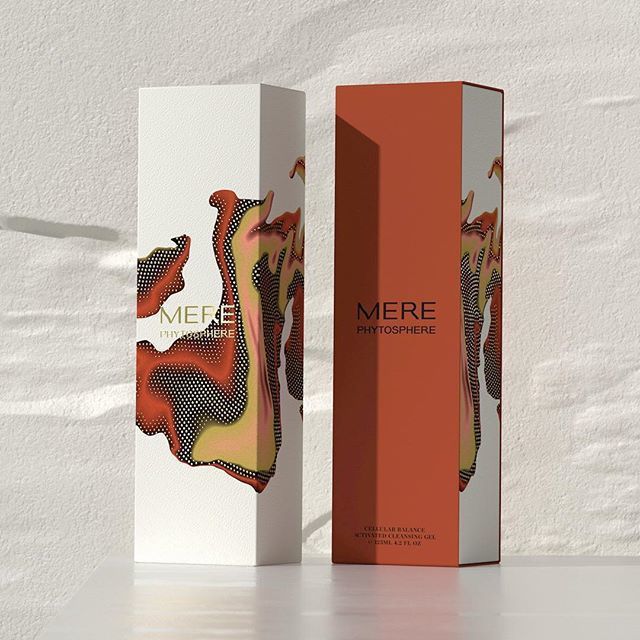
Holen Sie sich ein Angebot für eine individuelle Hautpflege-Box von LansBox
Wie können D2C- und E-Commerce-Marken für Hautpflegeprodukte maßgeschneiderte Verpackungen effektiv beschaffen?
Marken prüfen in der Regel mehrere effektive Beschaffungswege:
- Spezialisierte Verpackungsplattformen, die geprüfte Kartonhersteller kuratieren und auflisten, sortiert nach Region und spezifischen Kompetenzen.
- Fachmessen und virtuelle Ausstellungen, die die Möglichkeit bieten, Materialien hautnah zu begutachten und wertvolle persönliche Beratungsgespräche zu führen.
- Nutzung von Empfehlungen aus etablierten Branchennetzwerken, Knüpfen von Kontakten zu anderen D2C-Gründern und erfahrenen Kosmetikentwicklern.
Branchenanalysen zeigen immer wieder, dass nachhaltige Verpackungslösungen zu erheblichen Kosteneinsparungen für Direct-to-Consumer-Unternehmen (D2C) im Beauty-Bereich führen und gleichzeitig das Markenimage deutlich verbessern können. Untersuchungen zeigen eine starke Nachfrage der Verbraucher nach Nachhaltigkeit: Berichten zufolge sind 73% der indischen Millennials bereit, einen Aufpreis für umweltfreundliche Verpackungen zu zahlen, was diese zu einem entscheidenden Umsatztreiber für D2C-Marken macht.
Welche wesentlichen Fragen sollten Marken potenziellen Verpackungslieferanten stellen?
Bei der sorgfältigen Bewertung eines potenziellen Kartonlieferanten sollten Marken proaktiv folgende Informationen einholen:
- Lieferzeiten und Produktionskapazitäten, um die Einhaltung kritischer Markteinführungstermine sicherzustellen.
- Mindestbestellmengen (MOQs) und die dazugehörigen Preisstufen für kleine bis mittelgroße Produktionsmengen.
- Materialzertifizierungen wie FSC, nachgewiesene PCR-Anteile oder offizielle Einstufungen der Kompostierbarkeit.
- Prototypen- und Musterfertigungsprozesse, einschließlich Einzelheiten zu den Werkzeugkosten und den voraussichtlichen Durchlaufzeiten.
- Qualitätskontrollprotokolle, die eine gleichbleibende Farbtreue, strukturelle Integrität und zuverlässige Chargenkonsistenz gewährleisten.
Klare und umfassende Antworten auf diese Fragen bilden eine solide Grundlage für transparente, partnerschaftliche Zusammenarbeit und vorhersehbare, erfolgreiche Ergebnisse.
Wie starten Sie Ihre Reise zur Gestaltung individueller Verpackungen für Hautpflege-Boxen mit Lansbox?
Um Ihre Vision für Hautpflegeverpackungen in die Realität umzusetzen, laden wir Sie ein, sich mit uns in Verbindung zu setzen und Ihre spezifischen Projektanforderungen mit uns zu besprechen. Ganz gleich, ob Sie gerade dabei sind, strukturelle Prototypen zu verfeinern oder lebendige Druckvorlagen fertigzustellen – unser engagiertes Team steht bereit, um Sie bei jedem wichtigen Schritt zu begleiten. Kontaktieren Sie uns für maßgeschneiderte Verpackungslösungen Um ein individuelles Angebot anzufordern, stöbern Sie in unserem Sortiment an Materialmustern und entdecken Sie die Veredelungsmöglichkeiten, die perfekt zu den Kernwerten Ihrer Marke und Ihren Zielen hinsichtlich des Kundenerlebnisses passen.
Von der strategischen Beschaffung der Primärverpackungen bis hin zur sorgfältigen Gestaltung der Sekundärverpackungen, die Ihre Kunden wirklich begeistern – ein tiefgreifendes Verständnis dafür, wo Hautpflegeunternehmen ihre Verpackungen beziehen, versetzt Sie in die Lage, fundierte und wirkungsvolle Entscheidungen zu treffen, die Präsenz Ihrer Marke zu stärken und Produkte anzubieten, die eine dauerhafte Kundenbindung schaffen – und zwar durch jedes einzelne, wunderschön gestaltete Auspackerlebnis.
 EN
EN DE
DE FR
FR PL
PL PT
PT ES
ES JA
JA RU
RU AR
AR IT
IT NL
NL TR
TR KO
KO