

Выбор правильного пути для упаковка для косметики Решение проблемы отходов — это не просто экологическая необходимость, а мощный фактор дифференциации бренда. К 2026 году косметические бренды окажутся под давлением, поскольку поразительные 70 процентов из 120 миллиардов единиц упаковки, производимых ежегодно, по-прежнему будут попадать на свалки. Данное руководство станет для вас дорожной картой по выбору экологичных материалов, поощрению клиентов к переработке или вторичному использованию тары, а также по опережению введения новых нормативных требований — и все это при одновременном повышении лояльности и сокращении затрат. Мы рассмотрим следующие вопросы:
Как брендам выбирать высококачественные экологически устойчивые исходные материалы
Оригинальные стратегии повторного использования и вторичной переработки, которые радуют клиентов
Передовой опыт в области инициатив по переработке отходов, ориентированных на потребителей
Новейшие тенденции, такие как многоразовая, биоразлагаемая и «умная» упаковка
Обеспечение соблюдения нормативных требований и получение необходимых сертификатов
Убедительные экономические аргументы в пользу экологичных упаковочных решений
Конкретные меры для беспроблемного внедрения
Реальные истории успеха с использованием упаковки LansBox с индивидуальной печатью
К концу этого руководства вы получите практические рекомендации, необходимые для значительного сокращения отходов в косметической отрасли, укрепления взаимодействия с клиентами и налаживания успешного партнерства с помощью фирменных решений LansBox, сертифицированных по стандарту FSC.
Как брендам выбирать экологичные материалы для упаковки косметики?
Путь к созданию экологически устойчивых упаковочных материалов начинается с четкого определения критериев воздействия на окружающую среду, эксплуатационных характеристик и возможности вторичной переработки. Брендам нужны материалы, которые не только защищают целостность состава продукта и подчеркивают его высокое качество, но и облегчают утилизацию по окончании срока службы. В упаковке LansBox с индивидуальной печатью используется картон с сертификатом FSC, пластик из вторичного сырья (PCR), стекло и алюминий, что позволяет достичь идеального баланса между прочностью, эстетической привлекательностью и циркулярностью. Обоснованный подход к выбору материалов позволит вашему бренду в сфере красоты занять лидирующие позиции в области экологичности и создаст условия для более широкого повторного использования потребителями.

Получите индивидуальное предложение на изготовление косметички от LansBox
Какие материалы для упаковки косметики наиболее подходят для вторичной переработки?
Использование перерабатываемых материалов позволяет свести к минимуму потребление первичных ресурсов и способствует созданию по-настоящему замкнутого цикла. К числу наиболее предпочтительных вариантов относятся:
Картон с сертификатом FSC для внешних коробок — экологически чистый материал из возобновляемых источников, который принимается к утилизации вместе с бытовыми отходами и идеально подходит для печати экологически безопасными чернилами на водной основе.
Пластмассы, полученные в результате вторичной переработки потребительских отходов (PCR) — PCR-ПЭТ и ПНД — обладают исключительной прочностью и позволяют сократить спрос на новую пластмассу на 30 процентов.
Стеклянные баночки и флаконы — поддаются неограниченной переработке, являются инертными и создают ощущение высокого качества, идеально подходят для кремов и сывороток.
Алюминиевые корпуса и крышки — легкие, коррозионно-стойкие и высоко ценимые в сфере переработки металлолома.
Каждый из этих материалов идеально вписывается в существующую инфраструктуру переработки отходов, что упрощает сортировку и предотвращает неверную сортировку. Бренды, которые продуманно сочетают эти материалы, создают упаковку, которую потребители могут без опасений выбрасывать в контейнеры для вторичной переработки.
Как использование экологически чистых материалов способствует повышению уровня экологической устойчивости бренда?
Экологичные материалы позволяют существенно сократить углеродный и водный следы, что значительно укрепляет доверие потребителей. Переход на картон с сертификатом FSC активно способствует борьбе с вырубкой лесов, обеспечивая ответственное ведение лесного хозяйства, а пластик из вторичного сырья (PCR) позволяет снизить выбросы парниковых газов на 60 процентов по сравнению с первичным сырьем. Бренды, которые с гордостью подчеркивают эти преимущества на своей упаковке и в маркетинговых каналах, часто отмечают 20-процентное повышение воспринимаемой аутентичности и 15-процентное увеличение намерения повторной покупки. Демонстрация подлинного лидерства в области защиты окружающей среды позволяет брендам устанавливать более высокие цены и укреплять лояльность взыскательных, экологически сознательных покупателей.
Экологичная упаковка для декоративной косметики: использование вторичного сырья и сертификация FSC
бутылки, изготовленные из материалов 75%, полученных в результате вторичной переработки потребительских отходов (PCR), в сочетании с бумагой 100% PCR, сертифицированной по стандарту FSC, для изготовления картонной упаковки; линейка продукции CaliRay подлежит вторичной переработке через коллектив PACT.
На пути к экологичной упаковке цветной косметики, 2023
Экологичная упаковка для декоративной косметики: использование вторичного сырья и сертификация FSC
бутылки, изготовленные из материалов 75%, полученных в результате вторичной переработки потребительских отходов (PCR), в сочетании с бумагой 100% PCR, сертифицированной по стандарту FSC, для изготовления картонной упаковки; линейка продукции CaliRay подлежит вторичной переработке через коллектив PACT.
На пути к экологичной упаковке цветной косметики, 2023
Какую роль играют такие сертификаты, как FSC, при выборе упаковки?
Сертификаты, такие как FSC, имеют решающее значение для обеспечения ответственного снабжения и прозрачности цепочки поставок. Маркировка FSC является явным подтверждением того, что бумажные волокна происходят из рационально управляемых лесов, где активно защищается биоразнообразие и соблюдаются принципы социальной ответственности. Для косметических брендов эта сертификация предоставляет достоверную и убедительную историю, которую можно разместить на коробках с индивидуальной печатью, что укрепляет заявления об экологической устойчивости и упрощает процедуру проверки поставщиков. Соблюдение признанных стандартов также обеспечивает вашему бренду защиту на будущее от всё более строгих нормативных требований, таких как закон ЕС о упаковке 2024 года, который предписывает минимальное содержание вторичного сырья и чёткое маркирование доли вторичного сырья.
Какие существуют эффективные способы повторного использования и переработки упаковки от косметики?
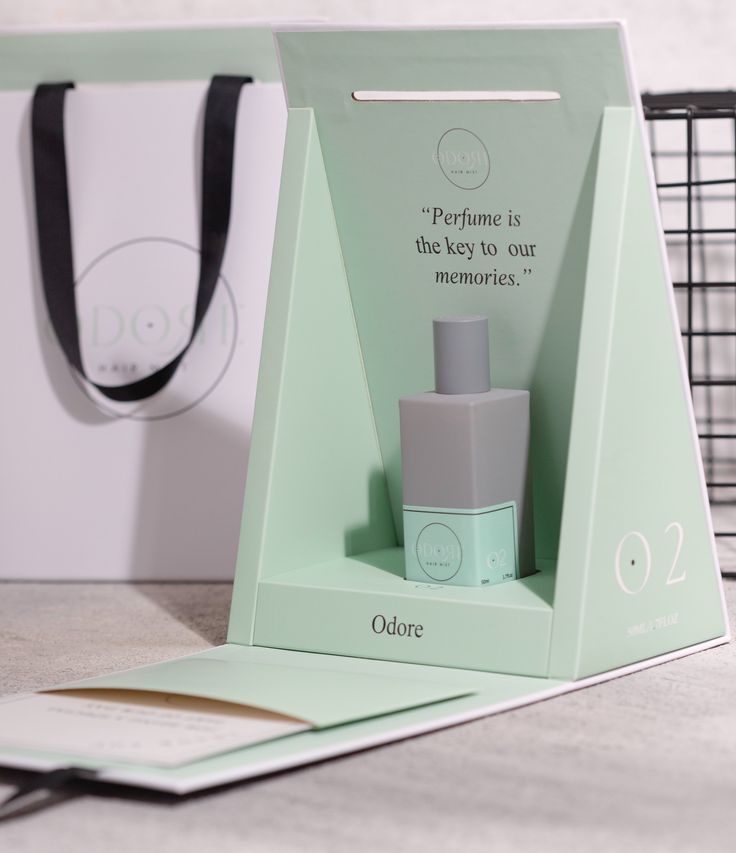
Разработка упаковки с учетом возможности повторного использования превращает потенциальные отходы в реальную ценность. Как системы многоразового наполнения, так и креативное перепрофилирование своими руками позволяют значительно сократить объем отходов, поступающих на свалки. Встраивая многоразовые вкладыши в индивидуальные коробки для косметики и активно продвигая руководства по вторичному использованию, бренды могут стимулировать более длительное использование продукции и укреплять отношения с клиентами.
Получите индивидуальное предложение на изготовление косметички от LansBox
Как брендам разработать упаковку для косметики, обеспечивающую возможность повторного наполнения и повторного использования?
Упаковка для повторного наполнения разработана на основе модульных компонентов, которые аккуратно отсоединяются, что позволяет потребителям легко приобретать заправки, сохраняя при этом прочные внешние корпуса. Например, в элегантную магнитную пудреницу можно вставлять сменные вкладыши для пудры, а сама пудреница помещается в картонный футляр с сертификатом FSC. Прочные стеклянные баночки с надежными завинчивающимися крышками идеально подходят для стимулирования продаж наполнителей оптом. Размещение понятных инструкций по заправке непосредственно на упаковке значительно повышает доверие пользователей. Включение QR-кодов, ведущих на полезные руководства по заправке, еще больше повышает вовлеченность потребителей и стимулирует повторное использование.
Какие есть креативные идеи по вторичному использованию упаковок от косметики?
Пустые тары легко можно найти новое практическое применение в повседневной жизни:
Небольшие баночки можно использовать в качестве стильных настольных органайзеров для скрепок или заколок.
Пустые тубусы от помады можно повторно наполнить и превратить в мини-наборы для шитья, удобные в путешествии.
Компактные палеты можно творчески превратить в очаровательные фоторамки или миниатюрные кашпо.
Поощрение таких креативных идей непосредственно на вашей упаковке — например, с помощью простой графики или увлекательных челленджей в социальных сетях — укрепляет привязанность к бренду и расширяет диалог, превращая его в активное творческое сообщество.
Как апсайклинг способствует сокращению отходов от косметической упаковки?
Благодаря апсайклингу удается эффективно переработать около 90 процентов одноразовых контейнеров, которые в противном случае оказались бы на свалке. Этот переход от одноразового использования к апсайклингу значительно сокращает объемы отходов, поступающих на свалки, и ярко воплощает принципы циркулярной экономики. Когда бренды вдохновляют своих клиентов на творческое повторное использование тары, они не только продлевают срок службы упаковки, но и сокращают спрос на сырье, а также демонстрируют искреннюю и непоколебимую приверженность принципам устойчивого развития.
Как потребителям правильно утилизировать упаковку от косметики?
Правильная переработка упаковки от косметических средств зависит от четкого понимания типов материалов и соблюдения местных рекомендаций. Информирование конечных потребителей о правильной сортировке, очистке и утилизации является ключом к минимизации «ложной переработки» и предотвращению загрязнения полигонов отходов.
Какие компоненты упаковки косметических средств подлежат вторичной переработке?
К компонентам, которые обычно подлежат вторичной переработке, относятся:
Картонные коробки и вкладыши
Стеклянные бутылки и банки
Алюминиевые компакты и крышки
Твердые пластиковые трубы (ПЭТ, ПНД)
Гибкие пленки, зеркала, насосы из нескольких материалов и некоторые виды пластмасс (например, пигментированный полипропилен) часто требуют специальных потоков переработки, таких как те, что предлагает компания TerraCycle. Четкая и лаконичная маркировка на упаковке имеет решающее значение для того, чтобы потребители могли легко определять, какие предметы принимаются к утилизации при вывозе мусора.
Каковы этапы подготовки упаковки от косметических средств к переработке?
Потребителям следует выполнить следующие простые шаги:
Тщательно промойте и удалите все оставшиеся остатки средства.
Отделите картонные детали от пластиковых или металлических элементов.
По возможности удалите этикетки, чтобы предотвратить загрязнение потоков вторичного сырья.
Слегка сдавите жесткие контейнеры, чтобы рационально использовать пространство в контейнерах для вторичной переработки.
Ознакомьтесь с местными правилами вывоза мусора или узнайте о местах сдачи специальных отходов.
Чистые, правильно отсортированные материалы позволяют значительно оптимизировать процесс переработки и повысить фактические показатели переработки, превысив текущий средний показатель, составляющий всего 14 процентов для пластиковых изделий из сферы красоты.
Какие проблемы чаще всего возникают при переработке упаковки от косметических средств?
Изделия, состоящие из нескольких материалов, например компактные пудреницы с зеркалами, часто попадают в общие потоки отходов. «Wishcycling» — то есть выброс неприемлемых материалов в контейнеры для вторичной переработки — может привести к загрязнению целых партий, в результате чего они будут отправлены на свалку. Мелкие предметы также могут проваливаться сквозь сортировочные решетки на предприятиях по переработке отходов. Бренды могут эффективно решить эти проблемы, отдавая приоритет мономатериальным конструкциям, размещая понятные пиктограммы по утилизации и активно поддерживая программы обратного приема.
Устойчивый циркулярный дизайн упаковки в косметической промышленности: стратегии и практическое применение
Упаковка служит для защиты продукции, сохранения её ценности и минимизации отходов. Эта функция особенно важна в отраслях, связанных со скоропортящимися товарами, таких как пищевая, фармацевтическая и косметическая промышленность. Однако традиционные решения в области упаковки зачастую приводят к негативному воздействию на окружающую среду. В Европейском союзе на долю упаковки приходится наибольшая часть потребления пластика, что, соответственно, вносит значительный вклад в экологический след. Ожидается, что внедрение стратегий устойчивого развития в дизайне упаковки позволит сократить выбросы углекислого газа и будет способствовать формированию моделей устойчивого потребления. В данной статье представлен систематический обзор литературы и контент-анализ исследований, объединяющих принципы циркулярной экономики, дизайн упаковки и косметическую промышленность. Наряду с существующими традиционными стандартами упаковки представлены альтернативные решения, классифицированные в соответствии со стратегиями R.
«Экологичный дизайн упаковки по принципу кругового оборота: систематический обзор литературы по стратегиям и применению в косметической промышленности», C Scope, 2023 г.
Устойчивый циркулярный дизайн упаковки в косметической промышленности: стратегии и практическое применение
Упаковка служит для защиты продукции, сохранения её ценности и минимизации отходов. Эта функция особенно важна в отраслях, связанных со скоропортящимися товарами, таких как пищевая, фармацевтическая и косметическая промышленность. Однако традиционные решения в области упаковки зачастую приводят к негативному воздействию на окружающую среду. В Европейском союзе на долю упаковки приходится наибольшая часть потребления пластика, что, соответственно, вносит значительный вклад в экологический след. Ожидается, что внедрение стратегий устойчивого развития в дизайне упаковки позволит сократить выбросы углекислого газа и будет способствовать формированию моделей устойчивого потребления. В данной статье представлен систематический обзор литературы и контент-анализ исследований, объединяющих принципы циркулярной экономики, дизайн упаковки и косметическую промышленность. Наряду с существующими традиционными стандартами упаковки представлены альтернативные решения, классифицированные в соответствии со стратегиями R.
«Экологичный дизайн упаковки по принципу кругового оборота: систематический обзор литературы по стратегиям и применению в косметической промышленности», C Scope, 2023 г.
Каковы последние тенденции в области экологичных решений для упаковки косметики?
Инновации в области экологичной упаковки для косметики стремительно развиваются, при этом особое внимание уделяется возможности повторного наполнения, компостируемым материалам, принципам минималистичного дизайна и цифровой интеграции. Эти интересные тенденции активно переосмысливают понятие роскоши и способствуют укреплению лояльности клиентов.
Как многоразовая и биоразлагаемая упаковка влияют на рынок?
Системы многоразового использования революционизируют отрасль, радикально сокращая объем одноразовых отходов, а инновационные биоразлагаемые материалы, такие как биопластики на основе сахарного тростника и лотки из формованного волокна, предлагают решения, которые эффективно разлагаются в промышленных компостерах. Бренды, которые внедряют эти перспективные решения, получают доступ к рынку перерабатываемых материалов, объем которого, по прогнозам, к 2033 году составит $20 миллиардов, и одновременно выполняют амбициозные цели на 2026 год по обеспечению 100-процентной перерабатываемости.
Каково влияние минималистичного и лаконичного дизайна упаковки?
Минималистичный дизайн умело избавляется от лишних элементов, позволяя самому продукту и истории бренда занять центральное место. Упрощенная упаковка по своей сути снижает вес при транспортировке и сокращает расход материалов, что приводит к значительной экономии затрат — до 12 процентов на единицу продукции. Изысканная эстетика “сдержанной роскоши”, характеризующаяся чистыми линиями и нейтральной цветовой гаммой, находит глубокий отклик у потребителей премиум-сегмента, которые активно ищут аутентичность и сдержанную элегантность.
Как «умная» упаковка способствует повышению экологической устойчивости и вовлеченности потребителей?
Внедрение QR-кодов и NFC-меток в индивидуально разработанную упаковку открывает широкие возможности для отслеживания. Потребителям достаточно просто отсканировать код, чтобы проверить долю переработанного сырья, найти удобные пункты пополнения запасов или ознакомиться с четкими инструкциями по утилизации. «Умная» упаковка способствует созданию динамичного интерактивного взаимодействия, одновременно укрепляя приверженность бренда принципам экологической прозрачности и ответственности.
Как брендам обеспечить соблюдение нормативных требований и получить сертификаты в отношении упаковки косметической продукции?
Умение ориентироваться в сложной нормативной среде имеет решающее значение для обеспечения как соблюдения законодательства, так и прочного авторитета бренда. В настоящее время ключевые нормативные акты устанавливают конкретные требования к доле переработанного сырья, предписывают прозрачную маркировку и вводят принцип расширенной ответственности производителя.
Получите индивидуальное предложение на изготовление косметички от LansBox
Каковы основные нормативные требования, касающиеся упаковки косметических средств?
Регламент ЕС по упаковке 2024 года предписывает, чтобы доля вторичного сырья в картоне составляла не менее 30 процентов, а также требует размещения четких инструкций по переработке на всех косметических упаковках. Программы расширенной ответственности производителей (EPR) все чаще возлагают на бренды ответственность за расходы, связанные с утилизацией их продукции по окончании срока службы. Аналогичные прогрессивные законы активно принимаются в Северной Америке и Азии.
Как такие сертификаты, как FSC и стандарты по переработанному пластику (PCR), способствуют соблюдению нормативных требований?
Сертификация FSC гарантирует, что бумажные волокна получены из ответственных источников, и обеспечивает проведение тщательных аудитов цепочки поставок. Стандарты на пластик из вторичного сырья (PCR), установленные такими организациями, как SPI, гарантируют постоянное соблюдение минимальных пороговых значений содержания вторичного сырья и их тщательную документацию. Обе сертификации значительно упрощают процессы отчетности перед регулирующими органами и существенно укрепляют доверие потребителей и улучшают восприятие бренда.
Что такое программы возврата и переработки продукции бренда?
Инициативы по возврату тары активно призывают потребителей сдавать пустую тару с помощью удобных почтовых услуг или через пункты сдачи в магазинах. Партнерство с такими организациями, как TerraCycle, предлагает бесплатное решение для утилизации компонентов, которые сложно переработать. Эти важнейшие программы эффективно замыкают цикл, демонстрируя проактивную корпоративную ответственность и одновременно вовлекая сторонников бренда и поощряя их.
В чём заключается экономическая целесообразность использования экологичной упаковки для косметики?
Экологичная упаковка — это уже не просто этический выбор, а стратегический фактор, способствующий повышению рентабельности инвестиций, который приносит ощутимые выгоды за счет сокращения затрат, яркой дифференциации бренда и повышения лояльности клиентов. Экологически сознательные бренды завоевывают всё большую долю рынка среди покупателей, ориентированных на ценности.
Как экологичная упаковка способствует повышению лояльности к бренду и укреплению доверия со стороны клиентов?
Потребители неизменно отмечают явное предпочтение — около 65 процентов — брендам, которые активно уделяют приоритетное внимание экологичной упаковке. Когда покупатели видят реальные действия по защите окружающей среды, показатели повторных покупок зачастую растут на впечатляющие 18 процентов. Открытое освещение вопросов устойчивого развития на коробках с индивидуальной печатью способствует укреплению эмоциональной связи с брендом и формированию мощного сарафанного радио.
В чём заключаются экономические преимущества экологичных упаковочных решений?
Несмотря на то что первоначальная себестоимость переработанных материалов может быть на 5–10 процентов выше, со временем удается добиться значительной экономии за счет оптимизации использования материалов, снижения веса грузов при транспортировке и сокращения расходов на утилизацию отходов в рамках систем расширенной ответственности производителей (EPR). Установление долгосрочных партнерских отношений с надежными поставщиками, такими как LansBox, позволяет получить выгодные скидки за объем закупок и избежать скрытых затрат на изготовление инструментов.
Как LansBox может помочь брендам в создании индивидуальной экологичной упаковки?
Упаковка LansBox с индивидуальной печатью предоставляет брендам следующие возможности:
Комплексная помощь в разработке инновационных экологичных форматов на всех этапах
Надежные источники поставок картона, сертифицированного по стандарту FSC, и пластиковых материалов из вторичного сырья (PCR)
Быстрое выполнение заказов с гибкими объемами
Прозрачная ценовая политика без каких-либо скрытых платежей за клише или матрицы
Сотрудничество с LansBox позволяет значительно снизить риски, обеспечить безупречное соблюдение нормативных требований и укрепить имидж вашего бренда на конкурентном рынке.
Какие практические меры могут принять бренды для внедрения экологичной упаковки для косметики?
Для воплощения стратегии в конкретные действия необходимы четкие и тщательно проработанные процессы выбора материалов, продуманного дизайна и эффективного взаимодействия с потребителями.
Как выбрать материалы, которые облегчают переработку и повторное использование?
Тщательно оценивайте подложки с учетом их пригодности к вторичной переработке, совместимости с местной инфраструктурой и необходимых барьерных свойств. Отдавайте предпочтение мономатериальным конструкциям или легко разделяемым слоям. Всегда запрашивайте у поставщиков документальное подтверждение доли переработанного сырья и соответствующие сертификаты напрямую.
Как разработать упаковку, которая будет стимулировать потребителей к утилизации и вторичному использованию?
Бесшовно размещайте на своих индивидуальных коробках понятные пиктограммы по утилизации, лаконичные советы по повторному использованию и инструкции со ссылками на QR-коды. Используйте прочные материалы с приятной текстурой, которые естественным образом подталкивают к повторному использованию и способствуют созданию запоминающегося и увлекательного опыта распаковки.
Как эффективно донести до потребителей информацию о мерах по обеспечению устойчивого развития?
Создайте лаконичную и убедительную историю об экологической ответственности для каждой стороны вашей упаковки — особо выделите сертификаты FSC или PCR, разместите QR-код со ссылкой на ваше обязательство в области экологической ответственности и представьте идеи по вторичному использованию, которыми легко поделиться. Постоянная прозрачность — это основа для укрепления доверия и стимулирования значимого взаимодействия с общественностью.
Какие вопросы чаще всего задают по поводу переработки и повторного использования упаковки от косметики?
Представители брендов часто интересуются, можно ли утилизировать все компоненты, каковы наиболее эффективные способы информирования клиентов и какие партнеры по программе подходят лучше всего. Предоставление четких и понятных рекомендаций позволяет эффективно устранить препятствия на пути к надлежащей утилизации отслуживших свой срок изделий.
Можно ли переработать всю упаковку от косметики?
Не вся упаковка подходит для переработки в рамках программы сбора отходов у дома. Хотя однокомпонентные материалы — картон, стекло и алюминий — принимаются повсеместно, многокомпонентные компактные упаковки и гибкие пленки зачастую требуют специальных потоков переработки.
Как очистить контейнеры для косметики перед сдачей на переработку?
Обычно для удаления большей части остатков достаточно простого ополаскивания тёплой водой. Для удаления стойких остатков средства используйте мыльную воду и мягкую щётку. Перед сортировкой убедитесь, что ёмкости полностью высохли, чтобы предотвратить появление плесени и загрязнение.
Какие существуют лучшие способы вторичного использования пустых коробок от косметики?
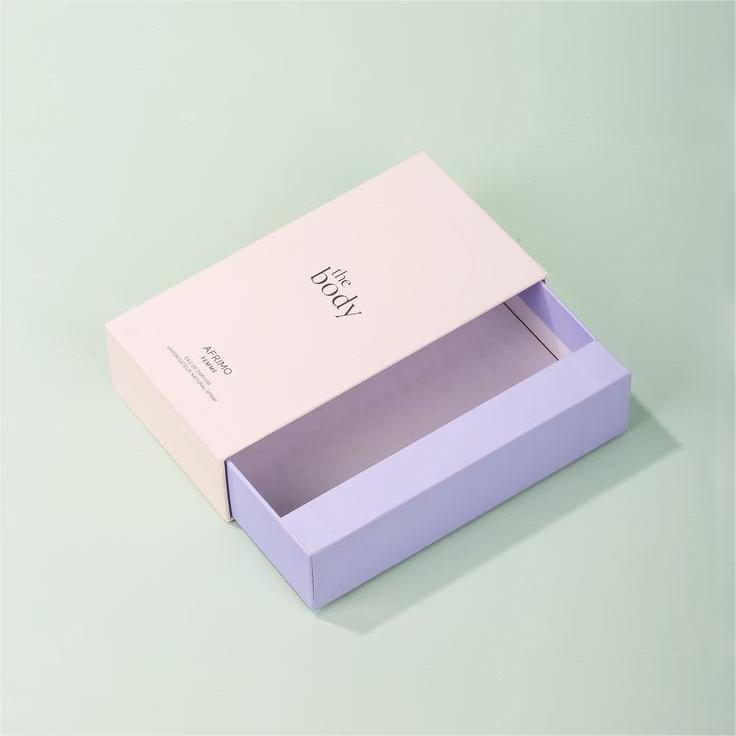
Превратите прочные картонные коробки в практичные разделители для ящиков, элегантные подарочные конверты или стильные органайзеры для рабочего стола. Предложите клиентам делиться своими творениями в социальных сетях, используя шаблоны для поделок, разработанные в стиле бренда, которые можно распечатать на внутренней стороне крышки.
Какие бренды предлагают программы возврата упаковки от косметики?
Крупные косметические бренды часто сотрудничают с компанией TerraCycle, участвуют в программе Sephora “Sephora Stands”, а L’OCCITANE предлагает возможность сдачи отходов прямо в магазинах. Более мелкие бренды могут успешно запускать локальные программы сдачи отходов по почте или сотрудничать со специализированными розничными сетями, ориентированными на принцип «ноль отходов».
Какие вдохновляющие примеры использования брендами экологичной упаковки для косметики можно привести?
Примеры из реальной жизни наглядно демонстрируют, что экоинновации являются важным фактором, способствующим как положительному воздействию на окружающую среду, так и повышению рентабельности.
Как бренды, работающие по модели «от производителя к потребителю» (D2C), сократили количество отходов благодаря упаковке LansBox?
Одна нишевая линейка средств по уходу за кожей успешно перешла с одноразовых пластиковых почтовых конвертов на изготовленные на заказ картонные почтовые коробки, сертифицированные FSC, что позволило сократить вес упаковки на 25 процентов и значительно повысить показатели удовлетворённости клиентов — на 12 процентов.
Какие бренды используют индивидуальные коробки для косметики, сертифицированные по стандарту FSC?
Новый бренд косметики умело использовал полноцветную печать на картонной упаковке, сертифицированной FSC, чтобы привлечь внимание в социальных сетях и одновременно продемонстрировать свою приверженность принципам ответственного снабжения. Их инновационная пудра в компактной упаковке с возможностью повторного наполнения, помещенная в прочный картонный футляр, достигла впечатляющего показателя — 30 процентов покупателей воспользовались возможностью повторного наполнения.
Как экологичная упаковка способствовала повышению вовлеченности клиентов?
Один независимый косметический бренд организовал чрезвычайно успешный конкурс по вторичному использованию упаковки, предложив покупателям поделиться своими креативными идеями по применению пустых коробок и банок. В результате этой инициативы за шесть недель уровень вовлеченности в социальных сетях вырос в три раза, а показатель повторных покупок увеличился на 15 процентов, поскольку участники сообщества с энтузиазмом поддержали основные ценности бренда.
Начните сотрудничество с LansBox уже сегодня, чтобы превратить упаковку вашей косметики в яркий символ экологической устойчивости. Повысьте качество обслуживания клиентов, обеспечьте соответствие меняющимся нормативным требованиям и займите лидирующие позиции на рынке благодаря упаковке с индивидуальной печатью, тщательно разработанной с учетом принципов циркулярной экономики, исключительной прочности и максимальной эффективности продвижения бренда. Свяжитесь с нами прямо сейчас, чтобы ознакомиться с ассортиментом экологичных решений, идеально адаптированных к вашим уникальным потребностям.
 EN
EN DE
DE FR
FR PL
PL PT
PT ES
ES JA
JA RU
RU AR
AR IT
IT NL
NL TR
TR KO
KO