

Custom corrugated boxes are purpose-built cardboard packaging designed to fit products, protect them in transit, and showcase your brand through tailored printing and structure. This guide walks you through where to source custom corrugated boxes, how to pick the right supplier, and which customization choices — from print method to materials and sustainability — matter most for e-commerce and D2C businesses. Many online sellers face returns, transit damage, or unbranded shipments; properly specified custom boxes reduce damage, support a memorable unboxing, and help lower costs tied to returns. Below you’ll find clear explanations of what custom corrugated boxes are, where to buy them, the common box types and print/material choices, pricing and MOQ expectations, sustainable options, a step-by-step ordering workflow, and real examples showing how LansBox supports e-commerce brands. Read on to compare suppliers, evaluate print methods, and follow a simple process to order packaging that fits your product and budget.
What Custom Corrugated Boxes Are — and Why They Matter
Custom corrugated boxes are shipping and retail cartons made from corrugated board and produced to your exact dimensions, flute choice, and printed finish to meet protection and branding goals. They combine structural elements — for example, flute selection for cushioning and linerboard for rigidity — with a tailored dieline and printed graphics to limit movement, prevent damage, and increase brand recognition at delivery. Choosing custom corrugated packaging lets e-commerce and D2C brands reduce returns, create stronger shelf or unboxing impact, and optimize shipping by right-sizing cartons to avoid dimensional-weight penalties. Below are concise benefits that explain why many businesses choose custom over off-the-shelf options and introduce how a custom printed corrugated box is defined in practice.

Get a Custom Corrugated Box Quote from LansBox
What Makes a Corrugated Box “Custom Printed”?
A custom printed corrugated box is defined by three core elements: the corrugated material (flute and liner), the structural dieline (size, folds, and closures), and the printing or finish that carries your brand and product information. Flute choices such as B, C, E, or F change cushioning and stacking strength, while linerboard options (kraft, white, coated) affect printability and look. Printing methods — digital, flexography, or litho-lamination — determine color accuracy, cost by run length, and finish options like matte, gloss, or aqueous coatings. Knowing these elements helps you match protection and brand goals to a supplier’s capabilities and leads naturally to where to source these solutions.
Corrugated Board Printing: Technologies and Trends in Packaging
Printing accounts for roughly 50% of current print production across labels, flexible packaging, folding cartons, corrugated board, glass, and synthetic or metal substrates. Common processes include flexography, offset, intaglio halftone, screen, inkjet, digital, and hybrid techniques. The paper evaluates each method’s technical and economic strengths, looking at achievable print quality and production time. It also discusses value allocation in production and broader industry trends in packaging printing technology.
Key Benefits of Customized Corrugated Boxes
Custom corrugated boxes deliver four practical business benefits: stronger protection in transit, clearer brand recognition through printed surfaces, more efficient shipping via right-sized packaging, and sustainability gains when you choose recycled or certified materials. Better protection lowers damage and return rates, branded packaging creates unboxing moments that boost repeat orders and social sharing, right-sizing cuts void fill and dimensional-weight fees, and choosing recycled or FSC-certified liners strengthens your environmental position. These advantages set up the next section on where to find suppliers who can actually deliver them.
Where to Buy Customized Corrugated Boxes for E‑commerce and D2C
You can source custom corrugated boxes from four main channels: direct manufacturers, wholesale specialists, online configurators/marketplaces, and local packaging printers. Each channel differs in minimum order quantities (MOQs), lead times, customization depth, and quality control — so the right choice depends on your volumes, speed needs, and print complexity. When evaluating suppliers, look for clear printing capabilities, sample and approval policies, transparent lead times, and relevant e-commerce/D2C experience. Use the checklist below to prioritize what to verify before you request quotes.
- Key supplier attributes to verify before requesting a quote:
Manufacturing capabilities and examples of similar work.Printing and finishing options and how they handle color matching.Sample and approval workflows, including pre-production samples.Lead-time tiers, MOQ breakdowns, and logistics support.
Choosing a supplier that documents these attributes and provides clear sample policies reduces procurement risk and makes cost and timeline comparisons far easier.
Which Manufacturers Provide Reliable Custom Printed Box Services?
When you assess manufacturers, focus on verifiable capabilities: in-house printing (digital or flexo), die-cutting and finishing, quality control, a clear sample policy, and industry experience. “Custom printed box packaging” covers services that combine corrugated manufacture with branded print and structural design — so ask vendors for recent samples, how they handle Pantone vs. CMYK color matching, minimum run sizes, and transit-tested samples to validate protection claims. Beware of vague turnaround promises or a lack of sample or process detail; those are common red flags when comparing vendors for e-commerce needs.
How Custom Corrugated Boxes Help E‑commerce and D2C Brands
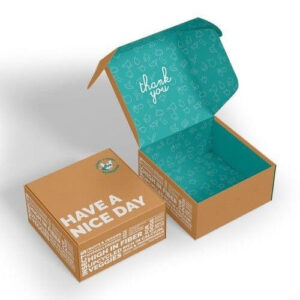
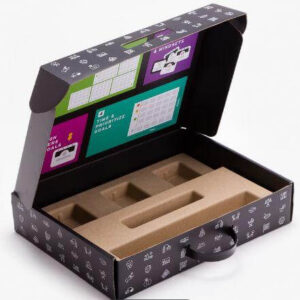
Custom corrugated boxes help by delivering product-fit protection, branded surfaces for memorable unboxing, and options like inserts or subscription-ready mailers that improve presentation and reduce transit damage. For subscription and high-throughput packing, die-cut inserts and one-piece mailers speed fulfillment and ensure consistent presentation. For fragile goods like cosmetics or electronics, higher-flute selections or double-wall constructions add protection. Right-sizing also reduces volumetric weight and wasted void fill by matching the box to the product geometry. These practical supplier and use-case concerns lead into the next section on the box types you’ll commonly choose from.
Types of Customized Corrugated Boxes You Can Buy
Custom corrugated options typically fall into three categories: mailer boxes, shipping boxes, and retail/product boxes — each tuned to a specific purpose such as single-item presentation, bulk shipping protection, or shelf-ready display. Choose the box type based on product fragility, the desired unboxing experience, and logistics constraints: single-piece mailers suit apparel and subscriptions, while heavier items often need double-wall boxes with reinforced flutes.

Get a Custom Corrugated Box Quote from LansBox
Common corrugated box types and their best use-cases for e-commerce brands:
| Box Type | Best for / Strength | Example use-case / protection level / typical MOQ |
|---|---|---|
| Custom Corrugated Mailer Boxes | Branded single-item shipments, quick packing | Apparel, accessories, subscription boxes; moderate cushioning; typical MOQ: hundreds |
| Wholesale Custom Shipping Boxes | Bulk shipments and heavy items | Electronics, bottles, multipacks; high stacking strength; typical MOQ: thousands |
| Custom Retail/Product Corrugated Boxes | Consumer-facing displays and shelf presence | Beauty, gifts, premium goods; high print quality and inserts; typical MOQ: hundreds–thousands |
This comparison clarifies when to choose a mailer, a shipping box, or a retail pack and sets you up to evaluate structural and print options next.
What Are Custom Corrugated Mailer Boxes and When to Use Them
Custom corrugated mailer boxes are single-piece or folding cartons made for direct-to-consumer shipments that balance protection with a fast packing workflow and branded presentation. They often use secure tuck or self-locking closures to speed fulfillment for subscription services and small e-commerce teams while reducing the need for extra tape or fillers. Mailer boxes are ideal for apparel, small electronics, cosmetics, and subscription products where presentation matters as much as protection. Knowing these structural choices will guide your flute and linerboard decisions in the customization section.
How Wholesale Shipping Boxes Differ from Retail Boxes
Wholesale shipping boxes prioritize durability, cost efficiency, and stacking strength for transit; retail boxes prioritize high-resolution printing, finishes, and inserts for shelf or gift presentation. Shipping boxes typically use thicker flutes or double-wall construction and aim to minimize per-unit cost in large runs, while retail-facing packs may use litho-lamination, spot UV, or other premium finishes. Typical MOQs and cost structures differ: shipping runs reduce per-unit costs at higher MOQs; retail-finish runs can carry higher setup fees and slightly higher unit prices. These trade-offs help shape material and print choices, explained in the next section.
Customize Your Corrugated Boxes: Printing, Materials, and Design Options
Customization covers printing technique, material selection, flute choice, die-cutting, inserts, and finishes like lamination or varnish — each choice balances visual impact, durability, and cost. Printing options include digital for short runs, flexography for high-volume CMYK/Pantone work, and litho-lamination for premium graphics; materials range from natural kraft for an eco look to bleached white boards for vivid color. Design work includes dielines, internal inserts for fragile goods, and coatings for moisture resistance. The table below compares common printing options so you can match visual goals to budget and volume.
| Printing Option | Visual impact / Durability / Cost | When to choose / example |
|---|---|---|
| Digital Print | Flexible color, low setup, moderate durability | Short runs, prototypes, seasonal drops |
| Flexographic Print | Cost-effective at scale, consistent color, durable | High-volume shipments where brand colors matter |
| Litho-laminated / Offset | Top-tier print quality, higher setup cost, durable finish | Retail packaging or premium unboxing experiences |
Use this quick comparison to choose the printing method that fits your volume and visual standards, then consider the related material trade-offs that follow.
Common Printing Techniques for Corrugated Boxes
Typical techniques include digital printing for short runs and fast color changes, flexography for efficient high-volume CMYK or Pantone work, and litho-lamination when you need near-photographic quality and premium finishes. Digital is fast and lowers setup barriers, making MOQs manageable in the low hundreds; flexo becomes more cost-effective as quantities grow despite plate setup. Finishes such as aqueous coatings, matte or gloss lamination, and spot UV influence durability and tactile feel — choose a coating that protects graphics during shipping while matching the unboxing experience you want to create. These print choices will steer your material and flute selections next.
Materials and Sizes You Can Specify
Materials include natural kraft, bleached or white linerboards, and coated or laminated surfaces; flute options (B, C, E, F) control cushioning and compression strength. Kraft board gives an eco-friendly aesthetic and pairs well with water-based inks, while white liners improve color reproduction for full-color branding. Custom sizes use dielines tailored to your product and packing workflow, and internal inserts — die-cut card or corrugated supports — can secure fragile items without loose void-fill. Clear specs to suppliers reduce iteration and speed accurate quoting, which we cover next.
How Much Custom Corrugated Boxes Cost — and Typical MOQs
Prices for custom corrugated boxes depend on size, material, printing complexity, finish, and order quantity; expect a per-unit curve where larger MOQs lower unit price but require a bigger upfront spend. Major cost drivers include box dimensions (material volume), board grade (single vs double wall), print complexity and color count (setup and ink), finishing (laminate or varnish), and logistics (shipping and palletization). The table below breaks these factors into clear examples so you can see how choices affect price and MOQ.
| Cost Factor | Effect on price | Typical range / example |
|---|---|---|
| Size & Material | Biggest driver; bigger boxes and stronger board raise cost | Small mailer vs large double-wall: per-unit varies widely with volume |
| Printing Complexity | More setup and colors increase cost | Single-color flexo is cheaper; full-color litho-laminate costs more |
| MOQ & Run Length | Higher MOQ lowers per-unit price but ups total spend | Digital: low MOQ (hundreds); flexo: higher MOQ (thousands) |
This breakdown highlights the levers you can pull to manage cost and MOQ and prepares you for the next section on factors that influence pricing.
Primary Factors That Drive Price for Custom Printed Boxes
Price reflects several linked factors: board volume (size and flute), board grade (single vs double wall), print method and color count, finishing steps like lamination or aqueous coating, and order quantity that spreads setup costs. Extra charges can include die tooling, pre-press proofs or physical samples, and freight/palletization that affect landed cost. For short runs, digital printing reduces setup fees but raises per-unit cost; flexo or litho lowers per-unit at scale but needs higher MOQs and upfront tooling. Knowing this helps you pick the production path that matches budget and timing; the next subsection explains typical MOQ tiers and negotiation tips.
Typical Minimum Order Requirements
MOQs vary by print approach: digital short runs can start in the low hundreds, flexographic production usually targets the low thousands, and litho-lamination or specialty finishes may require higher minimums because of tooling and board sourcing. You can lower MOQ friction by ordering larger sample lots, consolidating multiple SKUs into a single run, or arranging staggered deliveries from a bulk order. Some suppliers also offer shared die pools or amortized setup fees across designs. Ask suppliers for clear MOQ tiers, sample pricing, and consider kit-based fulfillment if you need multiple SKUs without holding excessive inventory. These tactics flow into the sustainability options most brands now ask about.
Where to Find Eco-Friendly Customized Corrugated Boxes
Eco-friendly corrugated choices include recycled-content kraft boards, FSC-certified linerboards, water-based inks and coatings, and compostable or fully recyclable inserts. Each option lowers environmental impact but can come with trade-offs in appearance, cost, or barrier performance. Recycled kraft improves a brand’s circularity profile and is compatible with common recycling streams, while bleached or laminated boards can complicate recycling but offer premium print aesthetics. Always verify sustainability claims with documented recycled-content percentages and third-party certifications, and weigh benefits like stronger consumer perception and regulatory alignment. The materials above lead into a short summary of sustainable benefits and options.
Get a Custom Corrugated Box Quote from LansBox
Why Choose Eco-Friendly Corrugated Packaging?
Sustainable corrugated packaging delivers tangible benefits: better consumer perception and brand trust, a lower environmental footprint through reduced virgin fiber use, and simpler end-of-life handling via recycling or composting. Many consumers now expect responsible packaging, and specifying recycled or certified materials supports marketing claims and long-term supply resilience. Operationally, recycled kraft can be cost-competitive with virgin board, and water-based inks lower VOC emissions during production. These benefits help you decide which sustainable materials to specify, covered next.
Sustainable Materials Commonly Used in Custom Boxes
Typical sustainable materials include recycled-content kraft board, FSC-certified liners, water-based inks and coatings, and compostable corrugated options for select applications. Each option balances recyclability, printability, and moisture resistance differently. Recycled kraft is widely recyclable and is often used with minimal coatings to preserve recyclability, while water-based varnishes add scuff resistance without plastic laminates. For moisture-sensitive products, discuss recyclable or biodegradable inner liners and test post-use recycling in your local waste stream. These material choices inform a straightforward ordering process, explained next.
How the Ordering Process Works for Custom Corrugated Boxes
Ordering custom corrugated boxes follows a predictable sequence from brief to delivery; knowing each step reduces surprises and improves first-run success. Expect a workflow that includes initial specs and quantity, dieline and artwork submission, sample or proof approval, production with QA, and final shipping logistics. Clear directions up front about dimensions, weight, stacking needs, print expectations, and sustainability preferences speeds quoting and limits rework. The numbered steps below are a practical checklist for procurement and product teams.
Design-to-delivery steps for ordering custom corrugated boxes:
- Define requirements and quantity: Share exact dimensions, unit weight, flute preference, and target quantity so suppliers can size materials and price accurately.
- Submit artwork and dielines: Provide print-ready files and dielines or request a supplier template to ensure folding and closure work as intended.
- Approve samples or proofs: Check digital proofs and physical samples for color, fit, and transit protection before approving full production.
- Production and quality checks: Supplier runs production with in-line QA and can provide photos or inspection reports on request.
- Shipping and logistics: Confirm palletization, lead times, and freight so you can calculate landed cost and expected delivery.
Following these steps reduces iterations and sets expectations clearly; next we outline the specific information suppliers need to produce accurate quotes.
Step-by-Step: Design and Order Custom Printed Boxes
Follow this five-step workflow: brief and specification, dieline and artwork prep, proofing and sample approval, production and QA, and shipping logistics. Start with a concise brief listing product dimensions, unit weight, transit conditions, preferred print method, sustainability preferences, and target quantity so suppliers can give comparable quotes. Next, request supplier dielines or supply yours and submit artwork in the required color profile and file format. Then review proofs and approve a physical sample when possible to check fit and print fidelity — this prevents costly run-time changes. Authorize production with agreed QA checkpoints, and finally confirm pallet patterns and delivery windows to complete the order.
How to Request a Custom Quote for Your Packaging Needs
To request a quote, give suppliers clear inputs: final dieline/spec dimensions, target quantity, material and flute preference, printing method and color needs, finish or coating requirements, any inserts or inner packaging, and the delivery address or shipping expectations. Suppliers use these details to calculate board volume, setup and plate costs, print-run economics, and freight, and they’ll return a quote that breaks down per-unit cost, setup fees, lead time, and MOQ tiers. Ask for sample pricing and landed-cost scenarios across different quantity bands to compare options accurately. A clear specification up front yields faster, more accurate pricing and smoother procurement.
Real-World Examples: Who Buys Custom Corrugated Boxes
E-commerce and D2C brands commonly use custom corrugated boxes to cut damage, create standout unboxing moments, and scale fulfillment. Examples include subscription services standardizing mailers, cosmetics brands using high-resolution printing for retail appeal, and food brands selecting moisture-resistant liners. Case outcomes typically show reduced returns, higher NPS or repeat purchase rates, and lower per-unit shipping cost after right-sizing. The next subsection highlights measured benefits brands see, followed by how a manufacturer partner can deliver those results.
Get a Custom Corrugated Box Quote from LansBox
How E‑commerce and D2C Brands Gain from Custom Packaging
Brands report measurable wins after switching to tailored corrugated packaging: fewer transit damages from optimized flute and insert choices, higher repeat purchases driven by a branded unboxing experience, and operational gains in packing speed and less void fill. Subscription businesses find standardized mailers reduce pick-and-pack time while keeping the customer experience consistent; retail-focused packs that use premium printing and inserts can increase perceived value and shelf conversion. These benefits show why custom corrugated solutions can deliver both protection and marketing ROI.
Packaging Solutions LansBox Has Delivered
At LansBox we design and deliver custom printed corrugated boxes and packaging solutions for e-commerce and D2C brands across categories like cosmetics, gifts, jewelry, retail, and food. Our Custom Printed Box Packaging service pairs structural dielines, print treatments, and material choices to meet brand and fulfillment needs. As a manufacturer with a focused team and a wide packaging toolkit, LansBox aims to be a reliable partner for brands that need both protection and presentation. Below are the practical ways we help brands simplify sourcing and deliver consistent unboxing experiences.
- LansBox supplies packaging types matched to product fragility and brand goals.
- LansBox supports industries including cosmetics and food with tailored material and print options.
- LansBox prioritizes partnership and pragmatic solutions to speed procurement for e-commerce teams.
These examples show how a manufacturer turns technical specs into practical packaging outcomes for brands seeking dependable custom corrugated boxes.
Where to Buy Customized Corrugated Boxes | FAQs
What is the typical lead time for ordering customized corrugated boxes?
Lead times vary by supplier, order complexity, and production volume. Expect a typical window of 2 to 6 weeks. Simple designs and standard materials may ship faster; complex printing, specialty finishes, or large volumes will lengthen lead times. Always confirm timeline requirements with your supplier early to avoid supply-chain delays.
Can I order a sample before placing a bulk order?
Yes — reputable suppliers usually offer sample services so you can verify material, print quality, and fit before committing to a bulk run. Ask about sample costs and delivery time; getting a physical sample is a small upfront investment that prevents costly mistakes later.
What are the common mistakes to avoid when ordering custom boxes?
Common pitfalls include unclear specifications (dimensions, weight, and use case), skipping sample approval, and vague branding or color guidance. These oversights can produce ill-fitting boxes or poor print results. Provide clear briefs, request physical samples when possible, and stay engaged with your supplier throughout the process.
How can I ensure my custom boxes are eco-friendly?
Ask for recycled-content or FSC-certified linerboards, and request water-based inks and coatings. Verify claims with documentation on recycled content or certification, and consider the recyclability of inserts and fillers. Suppliers should be able to provide certificates or material data sheets on request.
What factors should I consider when choosing a supplier for custom boxes?
Key factors include manufacturing capabilities (printing, die-cutting, finishing), industry experience, sample and proofing policies, lead times, and minimum order quantities. Check references and reviews to confirm reliability and quality before committing to a partner.
Are there any specific design considerations for fragile items?
Yes. Choose stronger construction such as double-wall boards or higher-flute options, and add internal inserts or dividers to prevent movement. Tailor dimensions to fit items snugly to minimize void space, and consider moisture-resistant materials for humidity-sensitive goods.
What are the advantages of using custom boxes for branding?
Custom boxes let you showcase logos, colors, and unique designs that create memorable unboxing moments. Strong packaging can boost brand recognition, encourage repeat purchases, and increase shareability. It also helps differentiate your product on shelves or in crowded mailboxes, supporting marketing and sales goals.
Conclusion
Custom corrugated boxes deliver practical benefits — better protection, clearer brand impact, and more efficient shipping — making them a key tool for e-commerce and D2C brands. By understanding customization options and supplier capabilities, you can make choices that fit your product, budget, and sustainability goals. Ready to elevate your packaging? Explore our custom solutions and connect with us to see how we can help you meet your packaging objectives.
 EN
EN DE
DE FR
FR PL
PL PT
PT ES
ES JA
JA RU
RU AR
AR IT
IT NL
NL TR
TR KO
KO