

Self‑seal boxes are a practical packaging option built to simplify shipping for online sellers. Each box includes a built‑in adhesive closure, so you don’t need extra tape or sealants—speeding up packing and cutting material waste. As e‑commerce volumes rise, businesses seek solutions that save time and cut costs. Below we explain how self‑seal boxes work, their advantages for online shipping, customization options, and how they fit into greener packaging strategies.
How Do Self‑Seal Boxes Work in E‑commerce Packaging?
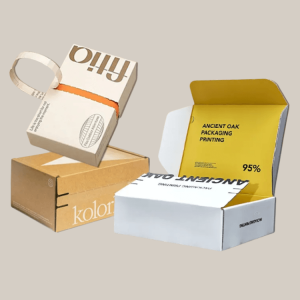
Self‑seal boxes use an integrated adhesive strip that locks the box shut in seconds, removing the need for separate sealing supplies and simplifying the packing workflow. The design of folding carton boxes offers a lightweight yet sturdy way to move products, letting brands balance protection with lower shipping weight. That mix of speed, strength, and efficiency makes self‑seal boxes well suited to teams looking to streamline fulfillment.
Get a Custom Self-Seal Mailer Box Quote from LansBox
What Is the Role of Self‑Adhesive Packaging Closures?
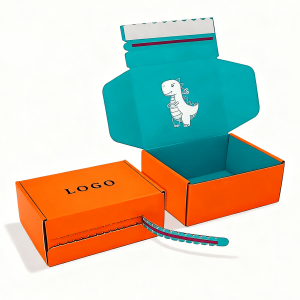
The self‑adhesive closure is the core feature: it creates a consistent, reliable seal that helps keep items secure in transit and reduces the chance of damage or loss. For teams focused on fast turnaround and satisfied customers, the closure removes a repetitive step from packing lines and frees time and resources for other priorities.
How Do Folding Carton Boxes Enhance Shipping Efficiency?
Folding carton boxes contribute to efficiency by being easy to store, quick to assemble, and light to ship. They collapse flat until needed, saving warehouse space, and can be tailored to fit different SKUs so you avoid bulky void fill. The result is lower freight costs, less waste, and smarter use of storage and handling capacity.
What Are the Key Benefits of Using Self‑Seal Boxes for E‑commerce Shipping?
Choosing self‑seal boxes can noticeably improve your operations. They speed up packing, simplify the supply chain, reduce handling time, and often lower overall packaging spend. When integrated into a shipping workflow, these boxes help improve delivery times and the customer experience.
How Do Self‑Seal Boxes Streamline the Packaging Supply Chain?
Self‑seal boxes streamline the supply chain by cutting out extra sealing steps and materials. With fewer components to manage—no separate tape rolls or dispensers—assembly is faster and labor costs drop. That acceleration translates into quicker order fulfillment and a more organized packing line.
What Cost Savings and Handling Advantages Do They Offer?
Self‑seal boxes reduce both material and labor costs. Eliminating tape and related supplies lowers recurring expenses, and the faster sealing process shortens pack times so staff can handle more orders. Together, these savings make self‑seal boxes a practical investment for retailers aiming to scale efficiently.
What Custom Packaging Solutions Are Available for Self‑Seal Boxes?
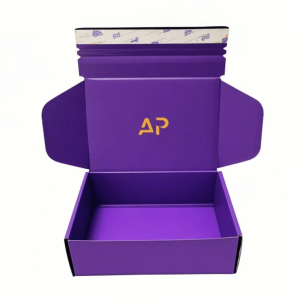
Custom options let brands protect products and reinforce identity at the same time. You can order self‑seal boxes in specific sizes with tailored interior supports and printed branding so the package reflects your style while keeping goods safe.
Get a Custom Self-Seal Mailer Box Quote from LansBox
Which Customization Options Improve Brand Visibility and Protection?
Custom sizes and designs ensure a snug fit that reduces movement and the need for extra padding. Printed logos, colors, and messaging turn the box into a brand touchpoint and create a better unboxing moment. These choices protect products and boost recognition with every delivery.
How Does Custom Printing Integrate with Supply Chain Needs?
Custom printing can include essential logistics information—like address panels, handling icons, and barcodes—so packaging doubles as an operational tool. That reduces handling errors, speeds scanning and sorting, and keeps branding consistent across the fulfillment process.
How Do Self‑Seal Boxes Support Sustainable and Practical E‑commerce Packaging?
Self‑seal boxes can support sustainability goals by minimizing extra materials and pairing well with recyclable or recycled paperboards. That makes them a practical option for brands looking to lower waste without sacrificing function.
Are Self‑Seal Boxes Eco‑Friendly Compared to Traditional Packaging?
Often, yes. Because they remove the need for tape and excess fillers, self‑seal boxes can generate less waste than conventional packaging. Many are produced from recyclable board, which further reduces environmental impact and aligns with customer expectations for greener choices.
What Materials and Certifications Ensure Sustainable Packaging?
To prioritize sustainability, choose boxes made from recycled or responsibly sourced fibers and look for certifications like FSC or SFI that verify responsible forestry and material sourcing. These credentials make it easier to communicate your environmental commitments to customers.
What are Self‑Seal Boxes | FAQs
Get a Custom Self-Seal Mailer Box Quote from LansBox
What types of products are best suited for self‑seal boxes?
Self‑seal boxes work well for many light‑to‑medium‑weight items: apparel, small electronics, cosmetics, and household goods fit particularly well. Because sizes can be customized, they’re adaptable across categories—just match the box style and internal supports to the product’s needs.
Can self‑seal boxes be reused or recycled?
Yes—many self‑seal boxes are both reusable and recyclable depending on the material. Encourage reuse by suggesting secondary uses, and specify recyclable board if recycling is a priority for your customers.
How do self‑seal boxes compare in cost to traditional packaging methods?
Self‑seal boxes can be more cost‑effective over time. They remove the recurring cost of tape and reduce pack time, which lowers labor expenses. While custom runs may carry an upfront cost, ongoing savings in materials and efficiency often offset the initial investment.
What are the best practices for using self‑seal boxes in shipping?
To get the best results: choose the right size to limit movement, use high‑quality adhesive closures, add internal supports when needed, and print clear handling instructions. Training staff on fast, consistent packing techniques will maximize speed and reduce errors.
How can businesses measure the effectiveness of self‑seal boxes?
Track metrics like packing time per order, material spend, damage and return rates, and customer satisfaction with the unboxing experience. Comparing these before and after switching to self‑seal boxes will show their operational and financial impact.
Are there any limitations to using self‑seal boxes?
Self‑seal boxes aren’t ideal for very heavy or irregularly shaped items that need extra reinforcement or cushioning. Extreme humidity or temperature can also affect adhesive performance. Review your product weights and shipping conditions to decide if they’re a good fit.
Conclusion
Self‑seal boxes offer a simple, time‑saving packaging choice that can lower costs, speed fulfillment, and support greener practices. With customization and the right materials, they protect products while reinforcing your brand at delivery. Explore self‑seal options to see how they can simplify your shipping process and improve the customer experience.
 EN
EN DE
DE FR
FR PL
PL PT
PT ES
ES JA
JA RU
RU AR
AR IT
IT NL
NL TR
TR KO
KO