

Self-sealing boxes remove tape and speed packing, a clear advantage for busy fulfillment teams. This guide covers what you need to build reliable self-sealing boxes: materials, key tools, and the folding and adhesive techniques that make them work. It also includes step-by-step assembly and practical customization tips for e-commerce packaging.
What Is a Self Sealing Box and How Does It Work?
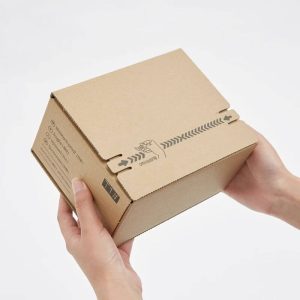
A self-sealing box has built-in adhesive flaps so it closes securely without extra tape. Designs typically use pressure-sensitive or heat-activated adhesives that bond when folded or pressed, creating a tight seal. That mechanism cuts packing time, lowers labor, and helps protect items in transit.
Get a Custom Self-Seal Mailer Box Quote from LansBox
Definition and Key Features of Self Sealing Packaging
Self-sealing packaging describes boxes with integrated adhesive flaps that lock shut when assembled. Core features to expect:
- Easy assembly: Folds and seals quickly — no tools required.
- Cost-efficient: Eliminates tape and reduces material waste.
- Improved protection: A uniform seal helps prevent damage in transit.
These strengths make self-sealing boxes a good choice for e-commerce teams focused on speed and consistency.
Research highlights how thoughtful, space‑efficient design can noticeably improve the usability and performance of self-sealing packaging.
Self-Sealing Packaging Design for Usability
The study found that improving takeout packaging usability depends on a few clear moves: designing universal, foldable packages that save space; simplifying decorative elements; and using self‑sealing or auto end‑locking structures to make opening and closing easier while cutting material use.
Research on packaging design of take-out food oriented towards the usability enhancement, 2015
How Adhesive Technologies Enable Self Adhesive Box Making
Adhesives are the heart of self‑sealing boxes. Common choices—hot‑melt, pressure‑sensitive, and heat‑activated—bond to board or corrugated materials in different ways but all provide the closing force the design needs. The right adhesive affects strength, seal speed, and compatible materials.
- Strong bonding: Keeps the box closed through handling and shipment.
- Material flexibility: Works on cardboard, corrugated fiberboard, and other substrates.
- Fast activation: Many adhesives bond quickly, supporting high‑speed packing lines.
Further study describes the main manufacturing methods used to produce pressure‑sensitive products.
Manufacturing Pressure-Sensitive Self-Sealing Products
The paper explains that making pressure‑sensitive products (PSPs) typically involves coating a solid carrier with a liquid pressure‑sensitive adhesive (PSA). This coating process is the primary method for producing a wide range of PSPs.
Manufacture of pressure-sensitive products, 2008
Understanding adhesive types is important to ensure seals perform consistently under real shipping conditions.
What Are the Essential Materials and Tools Needed to Make a Self Sealing Box?
Building a reliable self‑sealing box requires the right board and a few standard tools. Below is a quick overview of what to source.
Get a Custom Self-Seal Mailer Box Quote from LansBox
Common Packaging Materials for Self Sealing Boxes
Material choice impacts durability, cost, and sustainability. Common options:
- Cardboard: Lightweight and economical for small or non-fragile items.
- Corrugated fiberboard: Adds rigidity and protection for heavier or fragile goods.
- Kraft paper: An eco‑friendly option with a natural look.
Select the board that matches product weight, required protection, and sustainability goals.
Tools and Supplies for Custom Packaging Solutions
To cut and assemble boxes accurately, you’ll need a few basic tools:
- Cutting tools: Utility knives, box cutters, or scissors for clean edges.
- Rulers and measuring tools: For precise dimensions and consistent repeats.
- Adhesive applicators: Rollers, hot‑melt guns, or tape applicators for neat, even application.
These items are available from packaging suppliers or general hardware stores depending on volume.
What Are the Step-by-Step Instructions to Make a Self Sealing Box?
Follow these practical steps to make a basic self‑sealing box, from layout to the final press.
Preparing and Cutting Packaging Materials
Start with careful measuring and clean cuts. Recommended steps:
- Measure the dimensions: Decide the internal size you need, allowing room for padding.
- Cut the material: Use a straight edge and a sharp cutter to trim the board to the template.
- Score the folds: Lightly score fold lines so panels bend crisply without cracking.
Accurate prep ensures a neat, functional box that seals properly.
Applying Adhesive and Folding Techniques for Sealing
Once parts are cut and scored, apply adhesive and assemble carefully:
- Apply adhesive: Lay down a thin, even bead on the designated flap areas.
- Fold the box: Fold along scored lines so adhesive flaps align with their mating surfaces.
- Press to seal: Firmly press flaps together to activate the adhesive and form a secure bond.
These steps help ensure reliable sealing and a polished appearance.
How Can You Customize Self Sealing Boxes for E-commerce Packaging?
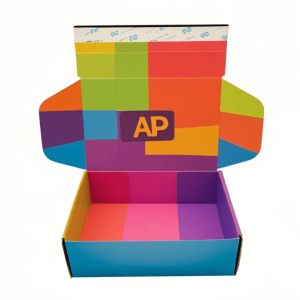
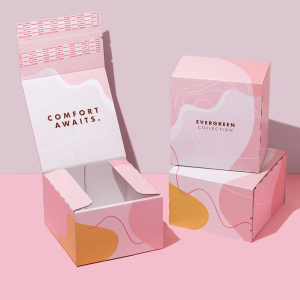
Customizing self‑sealing boxes protects products while reinforcing your brand. Practical ways to tailor packaging include size, print, and material choices.
Get a Custom Self-Seal Mailer Box Quote from LansBox
Customization Options: Sizes, Prints, and Materials
Common levers:
- Sizes: Offer a range so each product ships snugly without excess void fill.
- Prints: Add logos, instructions, or brand messaging to improve unboxing and recognition.
- Materials: Choose recyclable or compostable boards for sustainability, or heavier boards for fragile items.
Thoughtful customization improves protection, reduces waste, and strengthens brand presentation.
Integrating Packaging Supply Chain Services for Efficiency
Working with experienced suppliers and integrating services can streamline operations:
- Streamlined operations: Coordinated sourcing reduces lead times and keeps inventory predictable.
- Cost savings: Buying in bulk or standardizing sizes lowers per‑unit costs.
- Quality control: Partnering with specialists helps maintain consistent materials and adhesive performance.
These efficiencies free up time and budget so you can focus on product and customer experience.
How to Make a Self-Sealing Box | FAQs
What are the environmental benefits of using self-sealing boxes?
When made from recyclable or biodegradable board, self‑sealing boxes cut waste by eliminating extra tape and packing materials. Their lighter weight can reduce shipping emissions, and choosing Kraft or recycled corrugated board further improves environmental impact.
Can self-sealing boxes be reused or repurposed?
Yes. Many remain sturdy enough for reuse as storage or returns depending on condition. Attractive, durable design encourages reuse, supporting circularity and improving brand perception.
How do self-sealing boxes compare to traditional packaging methods?
Compared with tape‑sealed or glued boxes, self‑sealing designs simplify packing, reduce assembly time, and lower material costs while delivering a consistent seal. For high‑volume operations, their speed and repeatability are major advantages.
What types of products are best suited for self-sealing boxes?
Self‑sealing boxes suit many items: electronics, apparel, and many fragile goods when matched with appropriate board strength and internal cushioning. Corrugated fiberboard fits heavier items; lighter cardboard works for small, durable goods.
Are there any limitations to using self-sealing boxes?
Limits exist: irregularly shaped or oversized items may require custom packing. Adhesive performance can vary with extreme temperatures or humidity, so test seals under expected conditions. Ensure adhesive specifications meet handling and transit needs to avoid accidental openings.
How can businesses ensure the quality of self-sealing boxes?
Source materials from reputable suppliers, test adhesive strength under real‑world conditions, and run periodic quality checks on production samples. Use customer feedback to iterate on board grade and adhesive selection for consistent protection and usability.
Conclusion
Self‑sealing boxes deliver practical gains: faster packing, lower material costs, and dependable protection for shipped goods. With the right materials, adhesive choice, and assembly technique, you can design custom packaging that supports efficiency and brand experience. Start small, test designs under real conditions, and scale solutions that protect products and simplify your fulfillment flow.
 EN
EN DE
DE FR
FR PL
PL PT
PT ES
ES JA
JA RU
RU AR
AR IT
IT NL
NL TR
TR KO
KO