

When you crack open a fresh perfume box, a cascade of invisible events is set into motion—especially notable when using custom perfume boxes. Perfume molecules, responsible for the delightful aroma, immediately react as they meet the open air. This article explains the science behind these rapid changes—from evaporation to oxidation—and how environmental factors, packaging design, and time work together to shape the scent you experience. For those interested in innovative packaging solutions, please contact LansBox.
How Do Perfume Molecules React Immediately After Opening the Box
Right after the box is opened, perfume molecules quickly evaporate and diffuse into the surrounding air due to their volatile nature. This initial burst of vapor creates an intense aroma, as the concentrated molecules rapidly escape from their previously contained state.
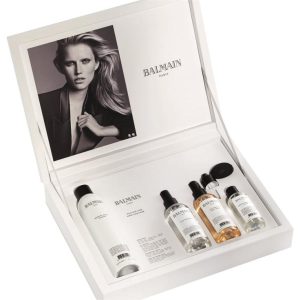
Get a Custom Perfume Box Quote from LansBox
What Causes Perfume Molecules to Evaporate or Diffuse
The drop in internal pressure when the box opens gives the molecules extra energy to change from liquid to gas. In the sealed box, they remain condensed, but once exposed to ambient temperature and pressure, even small changes can trigger significant evaporation.
How Does Air Exposure Affect Perfume Molecule Stability
Air exposure brings oxygen into contact with the molecules, sparking oxidation that can change their chemical structure. Though slight oxidation may enhance some notes, too much can degrade the fragrance over time by weakening its original profile.
Why Does the Scent Seem Stronger Right After Opening
The initial impact of the perfume is due to a large number of volatile molecules being released at once. In the box, they are contained; once opened, the sudden and abundant escape creates a powerful and immediate scent.
What Environmental Factors Influence Perfume Molecules When the Box Is Open
After opening, environmental factors such as temperature, humidity, and airflow play key roles in how perfume molecules behave. These factors influence how quickly and evenly the fragrance diffuses or begins to degrade.
How Do Temperature and Humidity Affect Perfume Molecule Behavior
Warm temperatures increase the kinetic energy of the molecules, accelerating evaporation and sometimes creating a sharp, brief scent. Conversely, high humidity can cause molecules to cluster, which may temporarily reduce the intensity of the aroma.
What Role Does Airflow Play in Perfume Diffusion
Airflow helps move the molecules further by acting like a natural fan. A gentle breeze or indoor air movement disperses the molecules more evenly, intensifying their immediate detection, whereas stagnant air keeps the scent localized and concentrated.
Can Light Exposure Change Perfume Molecules After Opening
Ultraviolet (UV) light can trigger photochemical reactions that break complex fragrance compounds into simpler, sometimes less pleasant, forms. This is why high-end perfumes often come in tinted or opaque boxes that protect the aroma from direct light.
How Does the Perfume Box Design Impact Molecule Preservation
The design of the perfume box is not merely aesthetic—it plays a crucial role in preserving the fragrance. The materials, sealing methods, and inner linings are all chosen to protect against premature degradation.
What Materials Are Used to Protect Perfume Molecules Inside the Box
Perfume boxes typically use materials that limit exposure to air and light. Insulating cardboard combined with foil or metallic linings creates a barrier that reduces the risks of oxidation and photodegradation, helping to keep the perfume true to its original scent.
How Does Box Sealing Prevent Molecule Escape
A tight seal ensures minimal air enters the box, keeping the molecules contained. This stability significantly slows down evaporation and oxidation, preserving both the intensity and quality of the fragrance until it is ready to be used.
Why Do Some Perfume Boxes Include Inner Linings or Wrappers
Inner linings act as additional buffers against temperature changes and light exposure. Especially for luxury fragrances, these extra layers help ensure that even slight environmental shifts do not alter the perfume’s delicate balance.
What Happens to Perfume Molecules Over Time After the Box Is Opened
Once the box is open, perfume molecules continue to change. Ongoing exposure to oxygen and environmental elements gradually affects the fragrance’s composition, influencing its longevity and complexity.
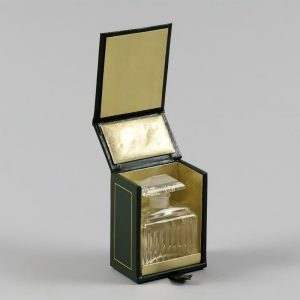
Get a Custom Perfume Box Quote from LansBox
How Does Oxidation Affect Perfume Molecules Post-Opening
Oxidation alters the makeup of the perfume gradually. While an initial burst might bring out certain desirable notes, over time continued oxidation can weaken freshness, resulting in a softer, sometimes less dynamic perfume.
What Causes Changes in Fragrance Longevity After Exposure
Molecular interactions such as evaporation and oxidation, along with absorption of moisture, gradually alter the scent profile. Typically, the light top notes may dissipate first, leaving the deeper heart and base notes to define the evolving character of the fragrance.
How Can Consumers Extend Perfume Freshness After Opening
To preserve fragrance quality, it is best to store perfume in cool, dark places and keep the box sealed when not in use. Some consumers even transfer a portion of the perfume into a smaller bottle to reduce air exposure, ensuring the scent lasts longer.
How Do Perfume Molecules Interact With the Surrounding Air and Surfaces
After release, molecules not only disperse through the air but also interact with surfaces like skin and fabrics, affecting how long and strongly the scent is perceived.
Why Do Perfume Molecules Attach to Skin and Fabrics
Because perfume molecules are lipophilic, they tend to cling to oils and fibers found in skin and fabrics. This attachment enables a slow, gradual release of the scent over time, which is why your clothing or hair can retain the fragrance long after application.
How Does Airborne Diffusion Affect Room Scent After Opening
As the molecules spread out via diffusion, they create an overall ambient scent in a room. With proper airflow, the aroma becomes subtly pervasive rather than overpowering, contributing to a balanced olfactory experience.
Can Perfume Molecules React With Other Airborne Chemicals
In open environments, perfume molecules may interact with other compounds such as pollutants or volatile organic chemicals. Although these reactions are typically minor, they can sometimes alter the overall character of the fragrance, either by enhancing it or introducing off-notes.
What Scientific Principles Explain Perfume Molecule Behavior When the Box Opens
The release and evolution of perfume molecules are explained by fundamental scientific principles, including volatility, molecular weight, and evaporation rates.
How Does Volatility Influence Perfume Molecule Release
Volatility measures a substance’s tendency to vaporize. In perfumes, highly volatile top notes evaporate immediately when the box is opened, creating the initial burst of scent. This principle helps perfumers balance the quick-evaporating oils with more lasting base notes.
What Is the Role of Molecular Weight in Perfume Diffusion
Molecules with lower weights spread faster in the air, offering an initial sharp scent, while heavier molecules remain longer on surfaces. This layered release creates a dynamic, multi-stage scent experience.
How Do Perfume Notes Evaporate Differently After Opening
Perfumes are crafted with a blend of top, heart, and base notes. The design ensures that light, volatile top notes provide an immediate impact, heart notes contribute to a smooth transition, and heavier base notes linger over time, enriching the overall fragrance experience.
What Are Common Consumer Questions About Perfume Molecules and Box Opening
Consumers frequently question how and why the scent of perfume changes over time after the box is opened. Here are some straightforward answers based on the science and packaging practices behind the fragrance.

Get a Custom Perfume Box Quote from LansBox
Why Does Perfume Sometimes Smell Different After Opening the Box
The initial burst of volatile top notes is quickly followed by oxidation and evaporation that gradually shifts the scent balance. This natural evolution can make the fragrance seem slightly different compared to its first impression.
How Should Perfume Be Stored After Opening to Maintain Scent
Storing perfume in its original box in a cool, dark place helps reduce light and temperature fluctuations. Keeping the bottle tightly closed minimizes oxidation, preserving the intended balance of fragrance molecules.
Can Opening the Box Too Often Affect Perfume Quality
Frequent opening increases exposure to air, which accelerates oxidation and leads to the gradual loss of volatile molecules. Reducing the number of times the box is opened helps maintain the original quality and intensity of the perfume.
What Happens to Perfume Molecules When the Box Opens | FAQs
Q: How quickly do perfume molecules evaporate after opening the box?
A: Perfume molecules begin to evaporate almost instantly, with the volatile top notes dispersing within minutes.
Q: Can the altered scent after multiple openings be reversed?
A: No, once oxidation significantly alters the scent, the changes are permanent.
Q: Is it better to store perfume in its box or out on a shelf?
A: Storing perfume in its box is recommended as it minimizes exposure to light and temperature changes, thereby preserving the fragrance.
Q: Does the material of the perfume box really affect the scent?
A: Yes, using high-quality, light-protective materials reduces exposure to detrimental air and light, which is crucial for maintaining fragrance quality.
Q: How can I tell if my perfume has oxidized?
A: A shift from bright top notes to heavier, subdued aromas, along with an overall dulling of the fragrance, often indicates oxidation.
 EN
EN DE
DE FR
FR PL
PL PT
PT ES
ES JA
JA RU
RU AR
AR IT
IT NL
NL TR
TR KO
KO