

Self-seal boxes use built-in adhesive strips for fast, tape-free closures. Tape-sealed boxes rely on packing or carton sealing tape applied at the fulfillment line. Fulfillment directors choose self-seal for speed and reduced supply costs. Tape seal suits custom LansBox mailers needing reinforced strength for heavier e-commerce shipments.
What Sets Self-Seal Boxes Apart From Tape-Seal Boxes?
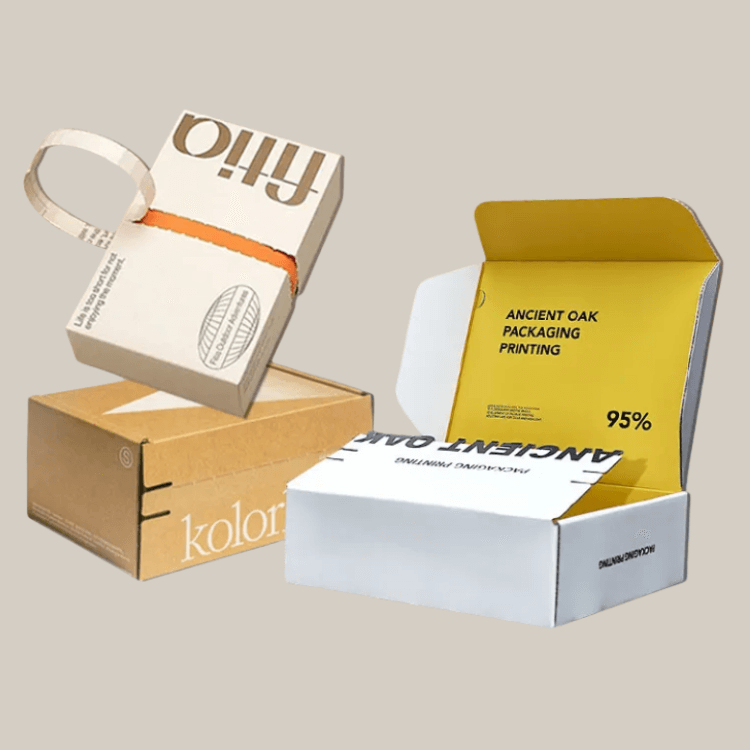
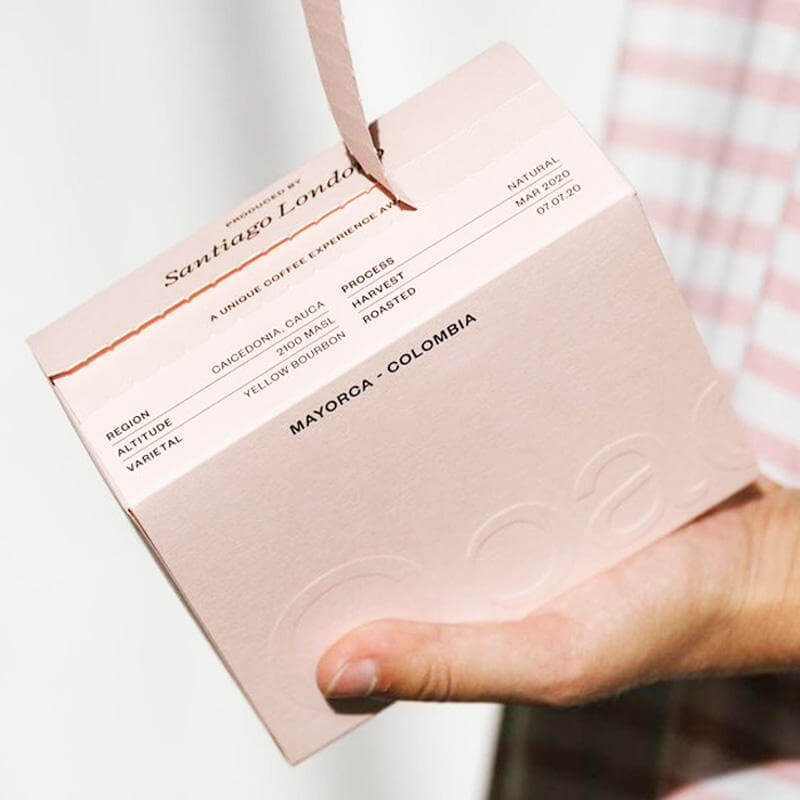
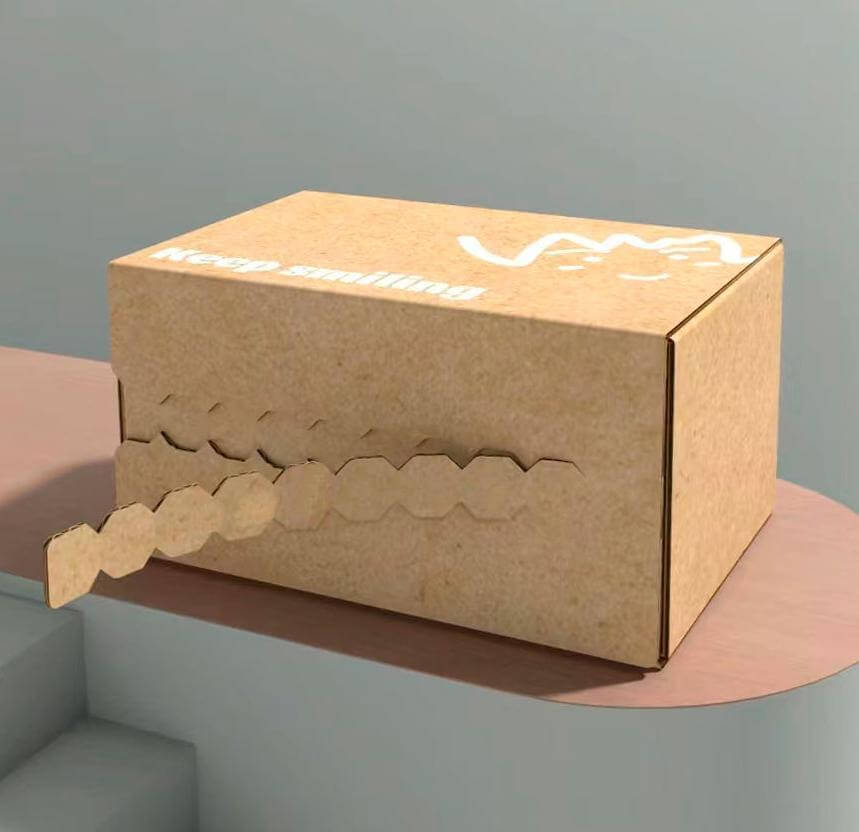
A self-sealing box closes on its own, using adhesive flaps built directly into the fold. A tape-seal box needs a separate step: hands, a dispenser, and a strip of tape applied after folding. That single difference changes packing speed, material handling, and how a brand’s unboxing moment actually unfolds. The comparison between self-seal boxes vs tape-seal boxes comes down to structure versus process.
Which Type Actually Speeds Up Packing?
Self-sealing construction removes the tape step entirely, which shortens the motion between fold and finished box. Fulfillment teams handling repetitive volume feel that difference across a shift, not just on one box.
LansBox offers high-quality boxes, creative design and printing, eco-friendly material options, and flexible order sizes, giving e-commerce managers a solid baseline for weighing either sealing method. Whichever construction a brand chooses, every LansBox paper-based box stays 100% recyclable. Sustainability doesn’t hinge on how the flap closes. Brands weighing structure against speed can request a custom packaging quote to see both options built to their exact dimensions before committing to volume. Those who value fewer moving parts on the packing line tend to land on self-seal. Those prioritizing tamper-evidence often stick with tape.
Get a Custom Self-Seal Mailer Box Quote from LansBox
What Do You Actually Gain From Self-Sealing Boxes?
Real gains show up in three places: speed, brand presentation, and fewer supply headaches. Self-sealing boxes use built-in adhesive flaps instead of a taped closure. That single design change ripples through a fulfillment operation. A warehouse team stops hunting for tape guns. A brand owner stops worrying about crooked strips covering a logo.
The mechanism explains the payoff. Self sealing box benefits start with the adhesive itself: pressure-sensitive or heat-activated glue bonds tight the moment a flap folds and presses shut. No dispenser, no second pass, no wasted motion. For a fulfillment team packing hundreds of orders a day, cutting even one small step out of the process compounds fast.
Do self-sealing boxes look more professional than taped ones?
Presentation matters as much as speed. LansBox prints both the interior and exterior of every custom box style, which means a self-seal mailer carries full branding inside and out, not just on the outer panel a strip of tape might interrupt. That’s a meaningful difference in the self-seal boxes vs tape-seal boxes comparison. Tape-sealed cartons often force a brand to work around the seam.
Which packaging option cuts labor costs faster?
Self-seal designs win here. Eliminating manual taping removes a repetitive task from every single order, and that adds up across shift after shift.
Brands ready to move off manual taping can request a custom self-seal mailer box quote directly from LansBox, with structure, print, and finish tailored to the product and order volume.
How Does Traditional Tape-Sealed Packaging Stack Up?
Tape-sealed cartons remain the default for a reason: proper carton sealing tape is engineered specifically to close cardboard boxes, not repurposed from another job. That distinction matters more than it sounds. Fulfillment teams that grab whatever roll is on the shelf often trade a few cents of savings for a seam that fails in transit.
Not every tape earns a spot in the shipping station. Duct tape shows up in warehouses for quick patches and odd-shaped fixes. Its flexibility works against it on a moving box. A carton flexes under stacking pressure and conveyor jostling. A stretchy adhesive peels loose exactly when a shipment needs it most. Purpose-built carton sealing tape resists that flex, which is why it holds up under warehouse handling and long-haul transit better than a general-purpose fix.
Get a Custom Self-Seal Mailer Box Quote from LansBox
Does Switching to Self-Sealing Structures Skip Tape Entirely?
Not for every order type. Custom mailers and rigid boxes built with adhesive-driven closures still move through the same production pipeline as tape-sealed cartons, typically 10 to 30 business days depending on complexity. Brands weighing self-seal boxes vs tape-seal boxes should plan for that lead time regardless of which closure method wins out.
Here’s a quick side-by-side for e-commerce teams sourcing supplies:
Fulfillment directors evaluating self sealing box benefits still need reliable tape for edge cases, returns, or non-standard cartons. Traditional tape-sealed packaging keeps its place in that toolkit, especially when the adhesive is matched to the box rather than borrowed from another task entirely.
Which Option Cuts Costs and Speeds Up Fulfillment?
Fulfillment speed and unit cost hinge on one variable: how many hands touch a box before it ships. Self-sealing cartons remove the taping step entirely, a clear edge for teams processing high daily order volume. Weighing self-seal boxes vs tape-seal boxes comes down to labor minutes, tape spend, and how those totals multiply across thousands of shipments a month.
LansBox highlights the self-sealing format as a preferred option because packing minutes add up fast in a warehouse. Skip the tape gun on ten thousand boxes, and somebody gets their afternoon back.
Cost savings rarely stop at labor, though. LansBox’s supply chain programs are built to elevator inventory turnover by 15%-plus, a number that matters more once packing speed is already locked in. Faster packing without faster restocking just moves the bottleneck downstream.
Does Switching to Self-Sealing Boxes Really Save Time?
Yes, mostly because tape guns jam, run dry, or vanish at the worst possible moment. Removing that step shaves seconds off every unit, and seconds compound into hours across a shift. Those self sealing box benefits show up fastest on high-SKU operations where consistency, not just speed, keeps error rates down.
Packaging is only one piece of the fulfillment puzzle. LansBox pairs custom box production with order processing, quality inspection, warehousing, and logistics. A box and its shipment move through one accountable partner instead of five vendors. LansBox directs users to conversion points for custom packaging services for brands ready to price out a self-sealing run.
So Which Sealing Method Should Your Brand Pick?
Order volume and box customization decide the answer. LansBox works with brands weighing self-seal boxes vs tape-seal boxes at every stage, from first sample run to full-scale fulfillment. Adhesive flaps favor speed and consistency on the packing line. Taped cartons flex better for irregular loads or brands still testing SKU mixes. Cost control tends to matter more than either sealing method on its own.
Get a Custom Self-Seal Mailer Box Quote from LansBox
Does Order Size Change Which Sealing Method Makes Sense?
Yes. LansBox sets its minimum order quantity based on the product and how customized the box design gets. A small-batch brand and a scaling one both land on a workable number. A short run testing a new SKU might lean toward simpler tape-sealed cartons. A brand ready to standardize packaging often finds the self sealing box benefits — fewer supplies, faster packing, steadier output — worth building into a custom order.
How Fast Can a Design Move Into Production?
Submission stays simple. LansBox accepts PSD, PDF, and JPEG files for box design work. Structural and print files move into production without extra conversion steps. Brands ready to move forward can request a custom quote and consultation directly.
FAQ
What is the main difference between self-seal and tape-seal boxes?
Self-seal boxes close using built-in adhesive flaps folded directly into the design, requiring no extra supplies. Tape-seal boxes need a separate step where tape is applied by hand or dispenser after folding.
Why do fulfillment teams prefer self-seal boxes?
Self-seal boxes remove the taping step entirely, shortening the motion between folding and finishing each box. This speeds up packing and cuts labor costs by eliminating a repetitive manual task from every order.
Do self-seal boxes look more professional than tape-seal boxes?
Yes, since LansBox prints both the interior and exterior of custom self-seal boxes, branding stays uninterrupted by tape. Tape-sealed cartons often force brands to design around the visible seam.
Conclusion
In closing, the choice between self-seal and tape-seal boxes hinges on your operational priorities and customer expectations. Self-seal boxes streamline fulfillment and reduce labor costs. Tape-seal options offer superior protection for heavier items and longer supply chains. LansBox delivers both solutions with customizable designs, eco-friendly materials, and integrated supply chain services—from quality inspection through logistics—that keep your costs down and inventory turnover high. Partner with us to select the box structure that strengthens your brand while optimizing your entire fulfillment workflow.
 EN
EN DE
DE FR
FR PL
PL PT
PT ES
ES JA
JA RU
RU AR
AR IT
IT NL
NL TR
TR KO
KO