

Self-seal mailers cannot be resealed once opened, since their adhesive strip loses tackiness after the first use. Packing tape or LansBox’s custom box alternatives, engineered with quality-inspected materials and production times of 10 to 30 business days, offer a secure, reliable reseal instead.
Self-seal mailers rely on a single-use peel-and-seal adhesive strip built for one secure closure. Once opened, that strip loses tack and won’t rebond reliably. Retailers prioritizing return-friendly packaging pair mailers with a secondary adhesive strip or tape, since compromised seals signal tampering and undermine customer trust in e-commerce
Can You Actually Reseal a Self-Seal Mailer?
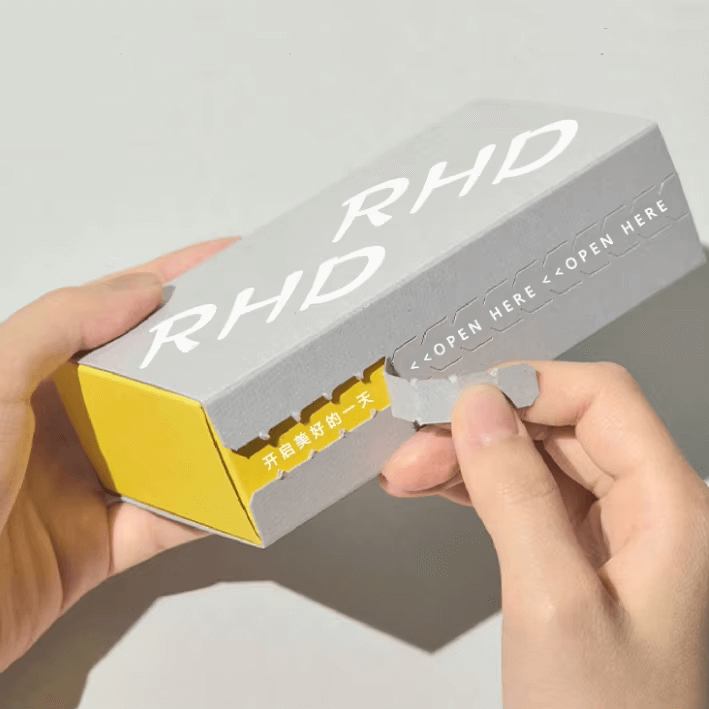
Reality check: a standard self-seal mailer answers to one adhesive strip, built for a single confident close. The flap carries a built-in adhesive so no tape gets involved the first time around. Once that strip meets the liner, it locks. Peeling it back for a second try usually tears the paper fibers or leaves the adhesive too weak to hold. Reopening for a return often means the pristine unboxing moment collapses into a stapled, taped-over mess.
That’s where designing for reuse changes the outcome. Resealable mailer boxes solve the second-close problem structurally, not chemically, using tuck flaps or dual adhesive strips instead of relying on one weak reseal. Procurement teams sourcing packaging for return-heavy categories — apparel, electronics, subscription boxes — need that structural reliability more than a stronger glue.
Get a Custom Self-Seal Mailer Box Quote from LansBox
Does resealing affect package security?
Yes, and that’s the entire point of proper closure design. Sealing self-mailers correctly prevents damage, reduces tampering, and improves customer satisfaction. A mailer that reseals cleanly keeps that tamper-evidence intact through a second use.
What makes packaging genuinely reusable?
Material choice matters as much as structure. Reusable self seal packaging built on eco-friendly stock supports brands that care about sourcing, not just cost. LansBox offers eco-friendly material options and flexible order sizes for brands designing packaging built around returns and reuse. Every paper-based solution in that lineup is 100% recyclable. A detail that matters to sustainability-conscious retailers auditing their supply chain.
For procurement managers weighing structural options against current mailer stock, the article directs interested brands to conversion points for custom packaging services to compare specs directly.
How Does the Peel-and-Seal Adhesive Really Work?
Pressure builds the bond. A peel-and-seal strip works as a fast, secure, tamper-evident closure that protects goods in transit without tape or extra tools. The mechanism relies on a pressure-sensitive adhesive hidden under a protective backing strip.
Once the backing peels away, the adhesive surface becomes exposed. A clean pull matters here — leaving fragments of backing behind weakens the eventual bond and invites failure mid-shipment. Procurement teams sourcing resealable mailer boxes should factor this into staff training. A rushed peel is the most common point of failure in an otherwise reliable system.
Why does a peel-and-seal strip sometimes fail to hold?
Most failures trace back to incomplete peeling or contaminated adhesive surfaces. Dust, moisture, or oils from packing materials interfere with the pressure-sensitive bond before it ever gets a chance to set. Firm, even pressure across the full seal line — not just the corners — closes that gap.
Custom packaging partners can build reliability into the design stage itself. LansBox accepts PSD, PDF, and JPEG files, letting brands submit print-ready artwork for a tailored resealable layout. LansBox also prints across interior and exterior surfaces on every custom box style, which opens space for reseal instructions right on the inside flap. A small design choice that reduces customer error at the return stage.
For teams building reusable self seal packaging into a returns strategy, three factors decide whether the adhesive performs:
Full removal of the protective backing strip
Firm, uniform pressure along the entire seal line
A clean, debris-free surface at first application
Brands weighing structural and print options for a resealable line can move that conversation forward through LansBox’s custom packaging consultation process.
What Happens When You Try To Reopen It?
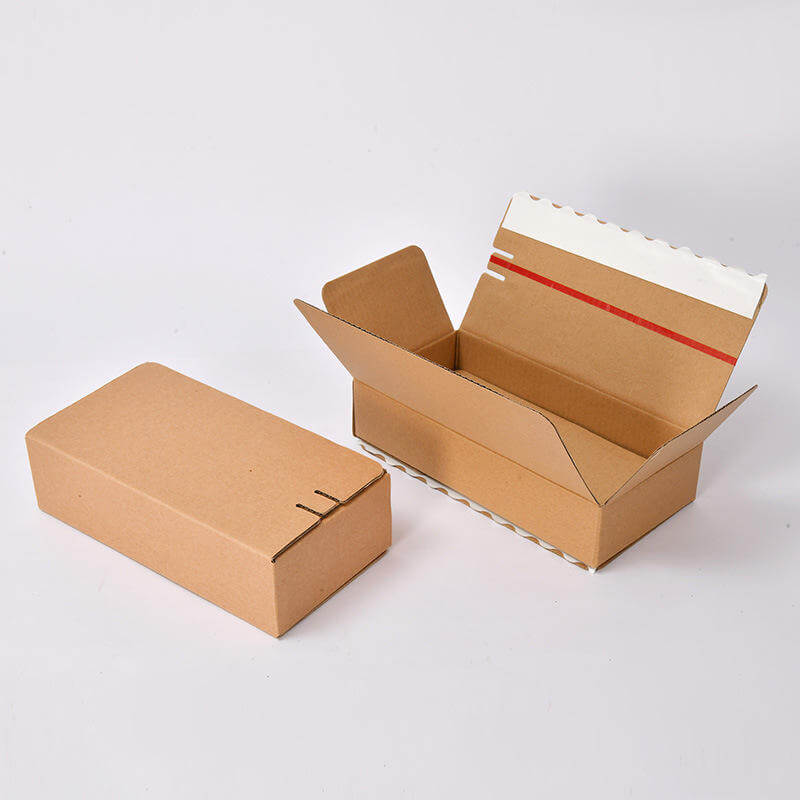
A one-time adhesive strip tears the box liner the moment someone lifts the flap. That single motion decides whether a mailer survives a return trip or heads straight to the recycling bin. Standard peel-and-seal closures work once, and once only. The sacrificial layer designed to prove tampering has occurred also removes any chance of a clean second seal.
That’s the trade-off with single-use mailers: strong tamper evidence, zero reusability. Brands testing a different approach — resealable mailer boxes with a repositionable strip or a fold-and-lock structure — get a second (and third) close without ripping cardboard. That flexibility matters for procurement teams piloting a new format before committing to a full production run. Order minimums shift based on product type and customization level rather than a apartment number.
Get a Custom Self-Seal Mailer Box Quote from LansBox
Can a torn mailer still be recycled?
Yes. Damage to the seal doesn’t change the material underneath. LansBox’s paper-based packaging solutions stay 100% recyclable whether the box opens once or ten times. A discarded single-use mailer isn’t a sustainability dead end. It’s still headed for the recycling stream, not the landfill.
Why do some mailers fail to reseal at all?
Overstuffing is the usual culprit. Forcing extra product into a mailer stretches the seal area past its adhesive tolerance, and once that bond stretches thin, resealing — even with reusable self seal packaging — becomes unreliable. Material choice compounds the issue:
Poly mailers stretch and resist tearing but resist recycling
Paperboard resists overstuffing damage better and recycles cleanly
Corrugated stock adds rigidity for repeat opening and closing
Brands weighing these trade-offs for return-friendly packaging can request a custom quote through LansBox’s design and production team.
Are Resealable Mailer Boxes The Smarter Choice?
Yes — for e-commerce brands managing returns and repeat handling, a structure built to open and close multiple times outperforms single-use tape-and-seal designs. Every extra shipping cycle stresses a box. A weak seal means torn flaps, exposed products, and customers who question a brand’s attention to detail before they even open the item. Resealable mailer boxes solve that problem by design, holding their shape and closure strength through multiple open-close cycles instead of just one.
Procurement managers juggling returns logistics need packaging that survives the reverse journey, not just the outbound one. LansBox builds that resilience into its supply chain solutions, pairing optimized order processing with thorough quality inspections, efficient warehousing, and coordinated logistics. That combination supports returns-friendly packaging programs where the box itself becomes part of the fulfillment strategy, not an afterthought tacked on at the end.
Does Reusable Packaging Actually Improve Turnover?
Coordination matters more than the box alone. When packaging and fulfillment run together instead of through separate vendors, LansBox helps brands boost inventory turnover by 15% or more. Fewer packaging failures mean fewer delays reprocessing damaged returns, which keeps stock moving.
How Long Does Custom Resealable Packaging Take To Produce?
Production for a resealable structure typically runs 10 to 30 business days, depending on complexity. Simpler self-seal formats move faster; multi-panel designs with reinforced closures take longer.
Beyond durability, reusable self seal packaging carries branding opportunities tape-sealed boxes can’t match:
Interior printing turns the unboxing moment into a branded surface
Exterior printing stays intact through resealing cycles
Both apply across all custom box styles LansBox produces
Brands ready to move forward can request a custom quote and consultation to discuss structure, print, and finishing options suited to their product line.
How Do You Pack And Seal Mailers Right?
Packing and sealing a mailer correctly starts with size, not tape. Procurement teams who chase a snug fit over a “roomy” box cut damage claims before a single label gets printed. That single decision drives everything downstream, from seal integrity to return rates.
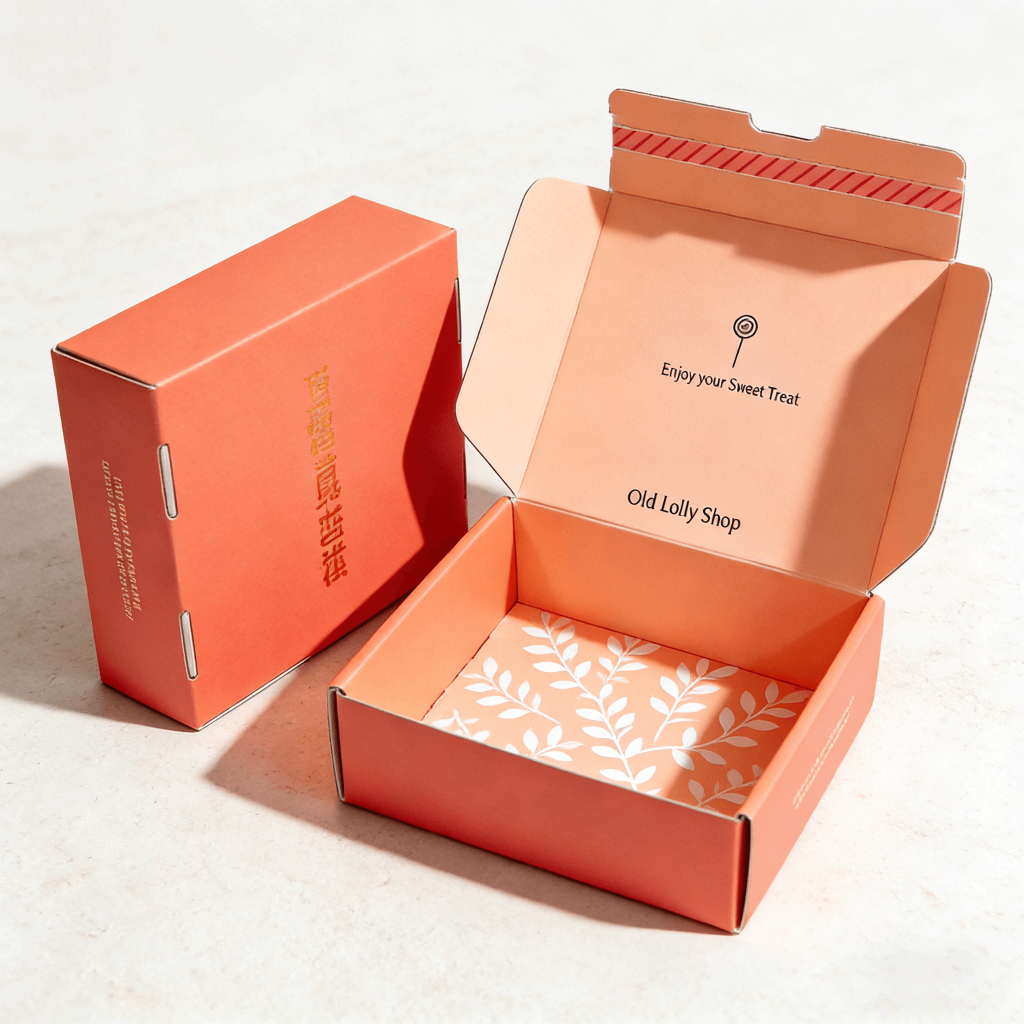
Resealable mailer boxes solve the sizing problem twice: once at outbound shipping, once at the customer’s return. A box built with a secondary adhesive strip lets a shopper close the package again without scissors or extra tape, which matters when refund windows depend on product condition.
Get a Custom Self-Seal Mailer Box Quote from LansBox
What size mailer should a business choose?
Size selection is the first real step in proper packing, full stop. A mailer that’s too large lets contents shift and collide during transit, undermining even a well-executed seal. Matching dimensions to the product tightens everything else in the process.
Three checkpoints keep sizing decisions consistent across a catalog:
Measure the product at its widest point, then add minimal clearance for cushioning.
Test a sample shipment before committing to a full production run.
Confirm the seal strip covers the full flap width once the box closes.
Sourcing plays a role here too. LansBox operates out of Lanxi, Zhejiang, China, giving procurement teams a single manufacturing base for sizing tests, prototypes, and full runs without juggling multiple vendors.
Reusable self seal packaging also gives smaller brands room to experiment. Eco-friendly material options paired with flexible order sizes let a retailer trial a resealable format on a limited batch before scaling volume. Getting a custom quote directs users to conversion points for custom packaging services, turning a sizing decision into a production plan.
FAQ
Can you reseal a self-seal mailer?
No—the peel-and-seal adhesive strip works once; peeling it back tears paper fibers or leaves the adhesive too weak to hold a second time.
How do you make a mailer reusable for returns?
Resealable mailer boxes use tuck flaps or dual adhesive strips instead of a single weak reseal, giving retailers a structural solution for return-heavy categories like apparel and electronics.
Why does a peel-and-seal strip fail to bond?
Incomplete peeling or contamination from dust, moisture, or oils blocks the pressure-sensitive adhesive from setting. Firm, even pressure across the full seal line prevents this failure.
Conclusion
In closing, while self-seal mailers offer convenience and speed for e-commerce fulfillment, their resealability depends entirely on the adhesive quality and structural integrity built into the original design. Investing in premium mailer construction—paired with reliable supply chain partners who prioritize quality inspection. Consistent production—ensures your packaging performs reliably every time, protecting product integrity and reinforcing customer trust from warehouse to doorstep.
 EN
EN DE
DE FR
FR PL
PL PT
PT ES
ES JA
JA RU
RU AR
AR IT
IT NL
NL TR
TR KO
KO