

Self-mailers require tabs or seals on all open edges per USPS Publication 25 and DMM 201, with minimum 3-inch by 5-inch size and 0.007-inch thickness. UPS and FedEx mandate fully enclosed, tape-sealed cartons—USPS is the primary carrier accepting true self-mailer formats.
Carrier compliance for self-mailers hinges on tab placement, minimum panel thickness, and paper weight. USPS revised Folded Self-Mailer standards on January 5, 2013 to fit automation processing. UPS and FedEx apply separate dimensional and durability checks. E-commerce brands avoid rejected shipments by confirming these structural specs with a packaging partner before printing runs begin.
What Are Self-Mailer Shipping Rules, Exactly?
Compliance for self-mailers comes down to structural standards that let a folded piece run through automated postal equipment without jamming, tearing, or getting rejected. USPS self mailer requirements cover fold placement, tab and seal positioning, paper weight, and overall dimensions for letter-size automation formats. Miss those specs, and a batch designed for a product launch can bounce back for manual handling. Get held for postage adjustments. That risk turns a simple mailer into a costly bottleneck right when speed matters most.
The folded self mailer rules exist for a practical reason. USPS revised these standards specifically so mailpiece designs would better match the capabilities of automated mail processing equipment. Older folded formats often confused sorting machines; the newer standards give designers more creative latitude while keeping pieces machine-readable.
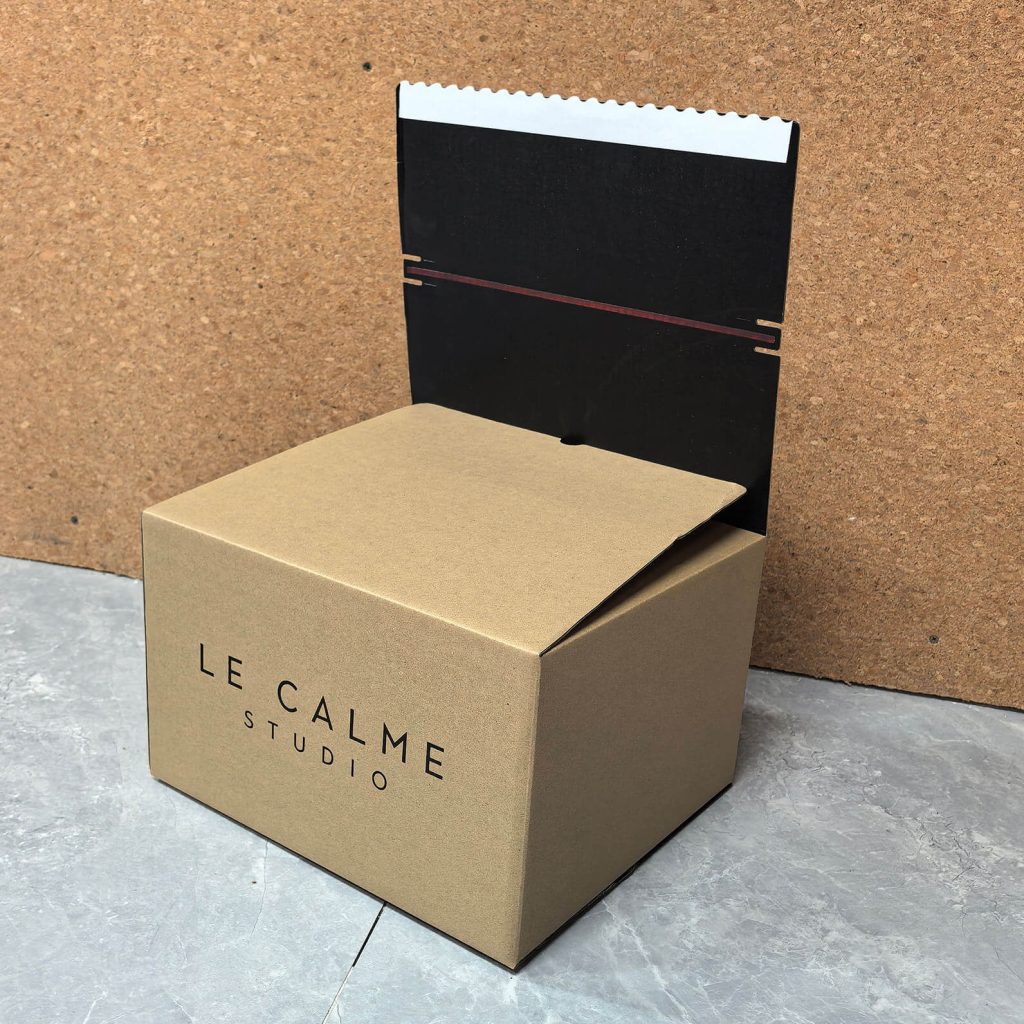
Get a Custom Self-Seal Mailer Box Quote from LansBox
What happens if a self-mailer doesn’t meet USPS specs?
Non-compliant pieces typically get pulled for manual processing, which slows delivery and adds handling fees. Some designs face outright rejection until corrected. For a direct-to-consumer brand shipping thousands of units, that kind of delay erodes both margin and customer trust.
Does packaging design affect mailer compliance?
Design choices — fold direction, tab placement, panel thickness — directly determine whether a piece clears automated sorting. LansBox offers custom packaging design and printing services that brands can adapt to meet carrier mailer specifications, including eco-friendly material options and flexible order sizes. Because production runs 10 to 30 business days, mailer design decisions need to happen early, not after a shipping deadline is already set. Operating out of Lanxi, Zhejiang, China, LansBox brings manufacturing scale suited to export-ready self-mailer projects at volume.
What Do USPS Self Mailer Requirements Cover?
USPS self mailer requirements govern how folded mail pieces get built, sealed, and sized so automated equipment can process them without jamming or tearing. The standards cover tab placement, fold direction, paper weight, and edge distances. Miss a spec and a piece gets flagged for manual handling, which slows delivery and adds cost.
The current rules aren’t new. A joint industry design study led to revised folded self mailer rules that took effect on January 5, 2013. Postal Explorer publishes the full technical specifications, down to exact measurements, for anyone who needs precise numbers before finalizing a print run.
Where can brands find exact self-mailer measurements?
Postal Explorer holds the complete spec sheet. Design teams and packaging coordinators reference it before locking dimensions. Even small deviations in tab placement or fold width can trigger automation rejections.
How does packaging design fit into compliance?
Compliance starts at the file stage, not the print run. LansBox accepts PSD, PDF, and JPEG files for design submissions, which lets brands build artwork around USPS spec sheets from the outset rather than retrofitting a finished design.
Print placement matters just as much as file format. LansBox offers interior printing alongside exterior printing across every custom box style, giving compliance markings and brand graphics separate panels on a folded mailer. That separation keeps required postal markings visible without crowding logo work or product messaging.
Material choice rounds out the picture. All LansBox paper-based packaging is 100% recyclable, matching the lightweight, letter-size materials USPS favors for automated sorting.
Brands ready to align packaging design with mailing compliance can request a custom quote and consultation for tailored self-mailer production.
What Are the Folded Self Mailer Rules?
Folded self mailer rules govern how a single-piece mailer folds, seals, and moves through automated letter-processing equipment without a separate envelope. USPS did not draft these standards alone. The agency partnered with the mailing industry on a formal mailpiece design study, using that research to revise folded self mailer rules for automation letter-size formats. That collaborative approach matters for e-commerce teams: a mailer built on outdated assumptions risks rejection or manual handling fees, both of which erode margin on high-volume shipments.
USPS backed the revised standards with a dedicated reference guide. The USPS self mailer requirements documentation includes sample illustrations, giving packaging coordinators a visual check against fold placement, tab position, and closure strength before a design goes to print.

Get a Custom Self-Seal Mailer Box Quote from LansBox
Where do most folded mailer designs fail compliance?
Failures usually trace back to fold direction, tab placement, or an unsecured leading edge — details easy to miss without a spec sheet in hand. Automation equipment reads a mailer’s edges and fold line first. A misaligned tab causes jams or diverts pieces to manual processing. That diversion adds cost and delay, exactly the outcome brands try to avoid at scale.
Minimum order quantities vary based on product type. Customization level, allowing brands to prototype a compliant folded mailer design in a smaller run before committing to full production. That flexibility lets a packaging coordinator test fold strength and tab durability against real shipping conditions first.
Quality inspection closes the loop. LansBox’s supply chain services include thorough quality checks that catch fold, tab, and closure issues before mailers ever reach a carrier’s automation line — protecting delivery timelines and brand presentation alike. Teams ready to apply these standards to a custom mailer can request a quote through LansBox’s contact page to start the design and sampling process.
How Do USPS, UPS, and FedEx Compare for Mailers?
Three carriers control most of the U.S. shipping market, and picking the right one depends entirely on what’s being mailed. USPS vs UPS vs FedEx: Costs & Services Guide names these three as the dominant players nationwide. For a folded paper mailer, that choice carries real weight. A poorly matched carrier turns a lightweight, low-cost shipment into an expensive parcel.
Price isn’t fixed across the board. It shifts based on the service chosen, the mailing type — letter, large envelope, or parcel — the exact weight and dimensions, and how far the package travels. A properly designed self-mailer that qualifies as a letter or apartment rides on far cheaper rate tables than a boxed item ever will. That distinction alone often decides whether a mailer program stays profitable at scale.
Which carrier works best for a folded mailer?
USPS generally wins for lightweight, apartment-rate-eligible mailers because letter and apartment pricing beats parcel rates by a wide margin. UPS and FedEx tend to suit heavier, bulkier shipments where tracking depth and delivery speed matter more than per-unit cost.
Does USPS still offer apartment-rate parcel shipping for small items?
Not the way it used to. USPS retired First-Class Package Service for parcels in July 2023. Anything that doesn’t meet letter or apartment dimensions now ships under Ground Advantage instead, which changes both pricing and required packaging specs.
For brands sourcing custom packaging built to letter or apartment specs from the start, LansBox handles structure, print, and finishing to meet those requirements. A conversation worth starting on any custom packaging quote before production locks in a shape that costs more to ship.
How Can LansBox Simplify Mailer Packaging Compliance?
Compliance gets easier when packaging, printing, and fulfillment sit under one roof. LansBox’s supply chain solutions bundle optimized order processing, quality inspection, warehousing, and logistics. Mailers that meet USPS self mailer requirements ship out consistently, not sporadically. A missed inspection step or a warehousing gap tends to be where compliant designs quietly go off-spec.
Turnover matters here too. Brands partnering with LansBox can see inventory turnover climb by more than 15%, cutting the odds of sitting on a stack of outdated mailer designs after a rules update. Old inventory built to expired specs isn’t an asset. It’s a write-off waiting to happen.
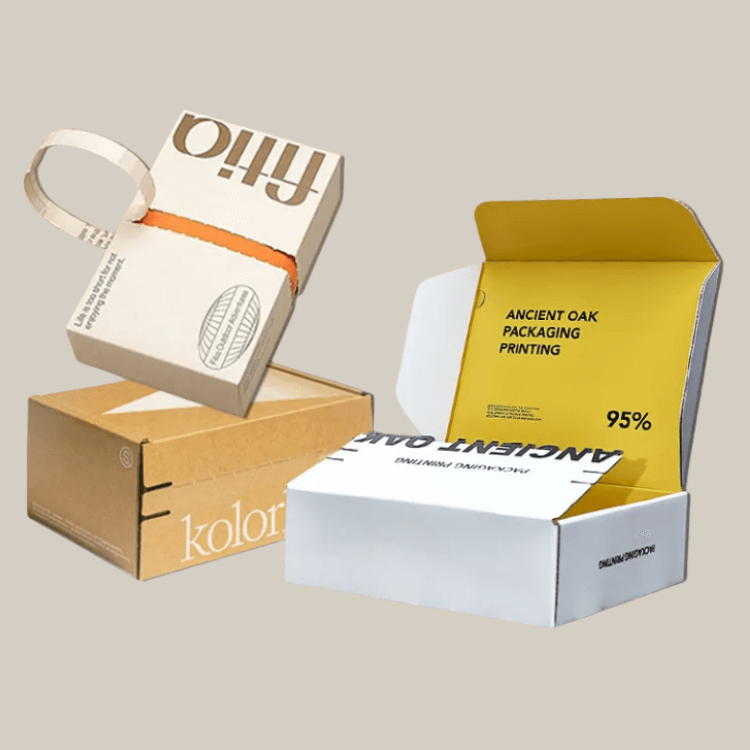
Get a Custom Self-Seal Mailer Box Quote from LansBox
What if a brand wants to test a new mailer format first?
Flexible order sizes solve that problem. LansBox lets brands run a small batch of a new self-mailer format before locking in a full production order, which limits exposure while structure and print quality get validated against real-world folding and sealing.
How much lead time should compliance reviews get?
Production typically runs 10 to 30 business days at LansBox, giving teams room to fold folded self mailer rules review into the launch calendar instead of scrambling near a ship date. That window covers:
Design finalization and file review
Prototyping and print validation
Quality inspection before warehousing
Brands ready to move forward can reach out through LansBox’s contact channels to request a custom quote for compliant self-mailer packaging.
FAQ
What happens if a self-mailer doesn’t meet USPS specs?
A rejected or flagged mailer gets rerouted to manual handling, adding fees and delivery delays. Repeat failures can force a mid-launch redesign — a costly setback for brands shipping at volume. Confirming structural specs before printing avoids that scenario entirely.
Where do the current USPS folded self-mailer rules come from?
USPS partnered with mailing industry stakeholders on a formal design study, then rolled the findings into updated automation-ready specifications for folded pieces. Full technical details and effective dates are covered in the Folded Self Mailer Rules section above.
How does LansBox help brands stay compliant before printing?
Compliance support begins before a design file is finalized. LansBox provides prototyping and sampling so a mailer’s fold strength, tab placement, and print alignment get validated against USPS specs before a brand commits to a full production run.
Conclusion
In closing, understanding USPS, UPS, and FedEx self-mailer requirements protects your brand reputation and ensures reliable delivery. Pairing compliant packaging design with a trusted supply chain partner—one that handles quality inspection, warehousing, and logistics coordination—eliminates operational friction and keeps costs down while maintaining the professional presentation your customers expect. Every contact and quote link throughout this guide directs users to conversion points for custom packaging services, giving brands a clear next step once their mailer specs are locked in. The right packaging partner transforms regulatory compliance from a burden into a competitive advantage.
 EN
EN DE
DE FR
FR PL
PL PT
PT ES
ES JA
JA RU
RU AR
AR IT
IT NL
NL TR
TR KO
KO