

Continuous bead patterns deliver full-width adhesion, sealing every edge against tampering and moisture during transit. Spot seal patterns apply glue at set intervals, cutting adhesive costs but leaving small gaps prone to flexing under pressure. LansBox offers high-quality packaging boxes, creative design and printing, eco-friendly material options, and flexible order sizes.
What’s the Difference Between Continuous Bead and Spot Seal?
A continuous bead lays down one unbroken line of adhesive across the flap. A spot seal drops adhesive in isolated dots at set intervals. Both methods close a case, but they distribute stress differently, and that difference decides whether a box survives a rough conveyor belt or splits open in transit. For teams building a pattern for self seal boxes, the choice isn’t cosmetic — it’s structural.
Glue bottom case sealer machines make this concrete. The equipment folds the two bottom minor flaps first, applies adhesive in a specific pattern, then presses the major flaps down onto that glue to close the case. A continuous, wavy bead run in generous amounts across the flap creates a wider bond surface than a scattering of dots. Spot seals save adhesive volume. Continuous beads trade some material cost for a stronger, more even hold.
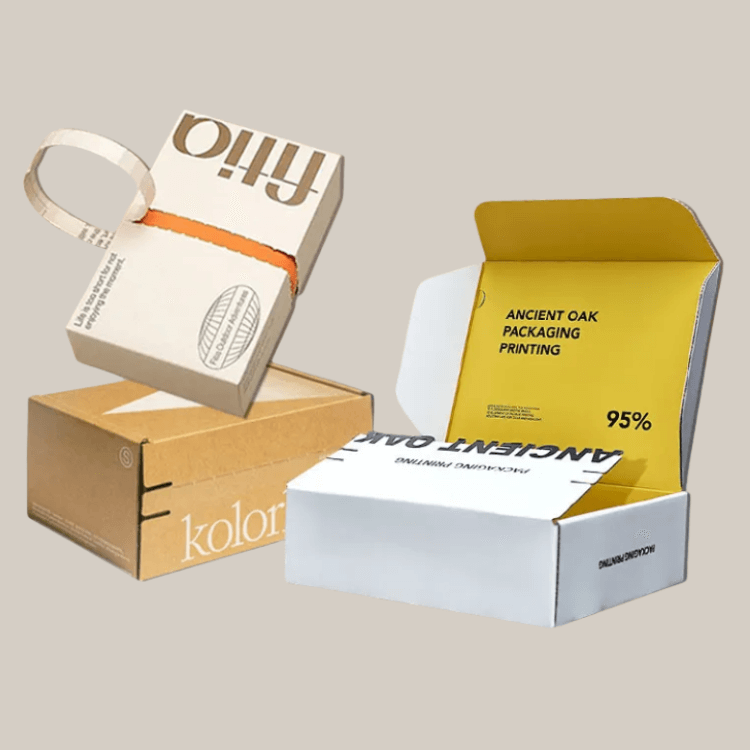
Get a Custom Self-Seal Mailer Box Quote from LansBox
Which Pattern Holds Up Better for Heavier Products?
Heavier or awkwardly balanced products favor the continuous bead. The wider contact area resists peel-back forces that concentrate stress on isolated glue points. Spot seals work fine for lighter cartons where cost control matters more than maximum bond strength.
LansBox designs custom self-seal boxes with structural flexibility — eco-friendly stock, creative print options, flexible order sizes — so brands select the right box sealing adhesive pattern for their product weight. Production windows of 10 to 30 business days leave room to test a seal pattern before committing to a full run.
Why Does Bead Continuity Affect Seal Strength?
Gaps in a glue line create weak points. A continuous bead spreads adhesive force evenly along every flap, closing off the small breaks where cartons split open under pressure or vibration during transit. Skip a section, and the box carries a hidden fault line waiting for a rough conveyor belt to find it.
Testing on comparable box styles shows glue seals applied generously and without interruption come out exceptionally strong. Stronger, in fact, than seals held together with tape. That gap in performance isn’t marginal. A pattern for self seal boxes built around full, uninterrupted coverage removes the failure points that spot-gluing leaves behind.
Does the Glue Really Need to Be Stronger Than the Box Itself?
Yes, and this isn’t an exaggeration. Properly applied box sealing adhesive dries into a bond that can exceed the strength of the corrugated material it holds together. That fact only holds true when the bead runs continuous. A spotty pattern leaves the seam only as strong as its weakest gap, no matter how tough the adhesive formula.
What Does Bead Continuity Mean for Packaging Choices?
It means adhesive strategy and material choice work as a pair, not separately. Since LansBox produces paper-based packaging that’s fully recyclable, brands get to combine that sustainability profile with a seal that holds under real shipping stress.
Seal Pattern Comparison
Brands weighing structural specs against unboxing goals can work directly with LansBox’s team, which directs clients to conversion points for custom packaging services built around exactly this kind of seal performance.
Which Box Sealing Adhesive Fits Your Product?
Product weight, line speed, and unboxing goals decide the right adhesive, not habit or guesswork. Two categories dominate carton sealing lines: water-based glue systems and fast-set vegetable formulas. Each carries tradeoffs that ripple into cost, throughput, and how a package looks the moment a customer opens it.
Water-based box sealing adhesive options rank as safe to handle. Give assembly lines longer open times before the bond fully sets. That extra window matters most when operators need to reposition flaps, correct alignment, or run a manual quality check before the seal locks. Speed-focused operations sometimes see that open time as a bottleneck; slower lines see it as insurance against rework.
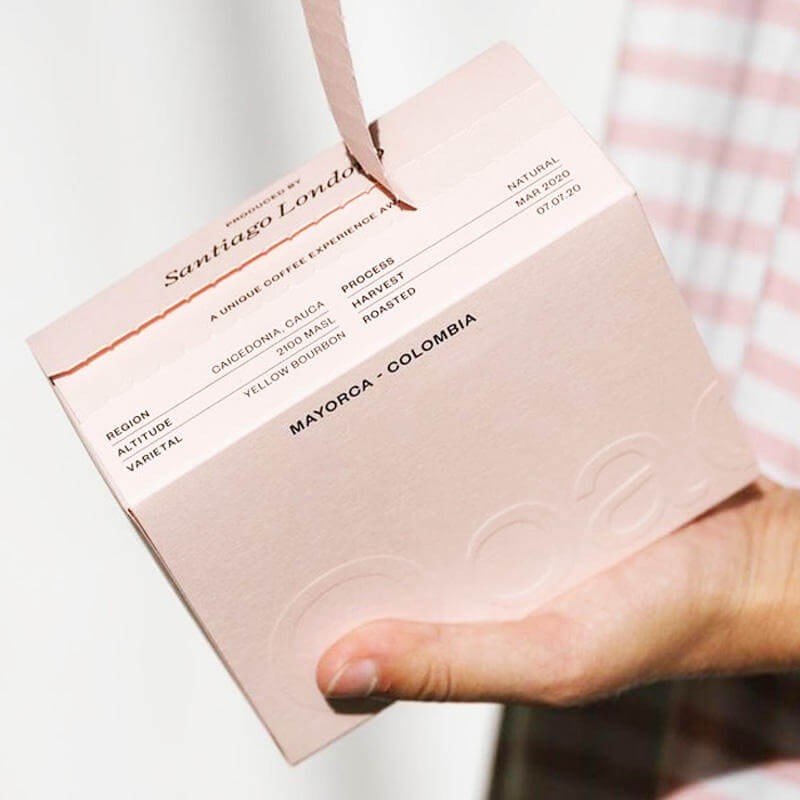
Get a Custom Self-Seal Mailer Box Quote from LansBox
Is there a low-cost adhesive option for smaller operations?
Vegetable-based glue offers a budget-friendly path for brands running manual or semi-automated sealing. It sets in roughly a minute, which suits lower-volume fulfillment teams that don’t need industrial-speed bonding. Smaller e-commerce sellers scaling gradually often start here before upgrading equipment.
Adhesive choice interacts directly with the pattern for self seal boxes. Bead placement has to clear printed graphics, folds, and any interior branding elements. LansBox applies interior printing as well as exterior printing across every custom box style, which means seal patterns get planned around artwork rather than forced to compromise it.
Brand owners weighing seal strength against print fidelity gain the most by pairing adhesive selection with structural design review early. LansBox’s design consultation process directs users to conversion points for custom packaging services, where sealing pattern and print layout get finalized together before production begins.
How Do You Validate a Seal Pattern Before Production?
Validation happens through a small-batch prototype run, not a spreadsheet. A packaging engineer confirms a pattern for self seal boxes by testing an actual sample against real handling conditions before committing to a full print run. Skip that step, and a flaw discovered at 10,000 units costs far more than one caught at ten.
LansBox structures its minimum order quantities around exactly this need. Because MOQs vary depending on the product and the level of customization, a brand can request a smaller test batch to check bead placement, flap tension, and closure strength before scaling to a full production order. That flexibility turns validation from a theoretical exercise into a physical one.
Design accuracy matters just as much as the physical test. LansBox accepts PSD, PDF, and JPEG files for paper box submissions. An engineer can mark the exact bead lines or spot-glue locations directly on the flap layout before sampling begins. Ambiguous instructions cause more seal failures than bad adhesive ever does.
Does the Glue Need to Match the Paperboard?
Paperboard is porous, and box sealing adhesive sets almost immediately once applied to that kind of surface. Prototype testing should mimic real conveyor speed, not a slow lab bench. A glue that performs fine at a crawl can fail at line pace.
What Else Should a Prototype Round Confirm?
Seal strength under drop and compression stress
Flap alignment across repeated folds
Material compliance, since LansBox’s paper-based packaging is 100% recyclable and worth confirming alongside seal integrity
One sampling round can settle all three. From there, brands ready to move from prototype to production can request a custom quote through LansBox’s packaging consultation process to lock in specs before mass production begins.
What Should Operations Teams Confirm Before Locking Specs?
Four checkpoints separate a smooth production run from a costly reprint: adhesive type, seal pattern, factory sign-off, and timeline. Skip any one of them, and rework eats into margin and delays a launch window that competitors are already filling.
Start with the box sealing adhesive. Glue choice affects seal strength, drying time, and how the carton behaves on a packing line under humidity or temperature swings. Locking this spec early avoids a mid-run scramble when a batch fails a drop test.
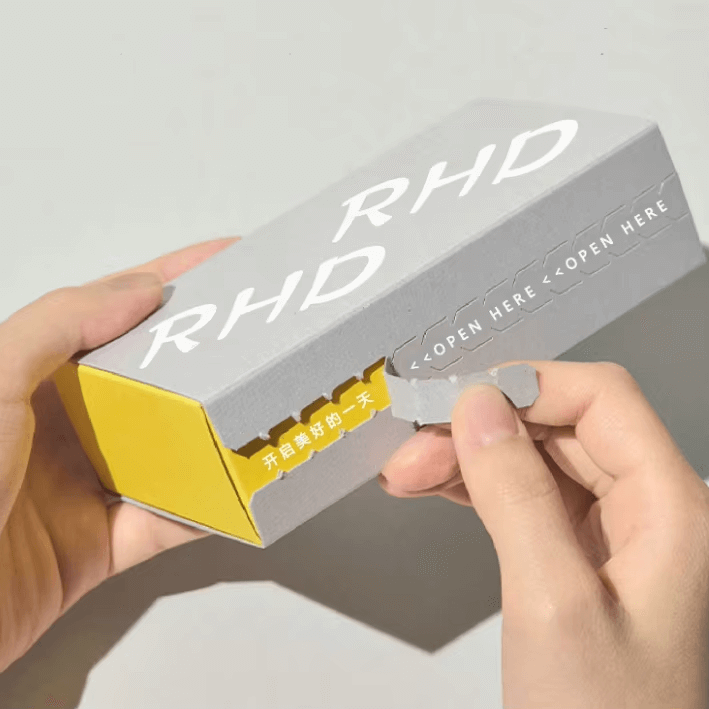
Get a Custom Self-Seal Mailer Box Quote from LansBox
Does the seal pattern actually matter for carton strength?
Yes. A pattern for self seal boxes determines where flaps overlap and how much surface area bonds together, which directly affects tamper resistance and load capacity. Ops teams should confirm the pattern against the product’s weight and shipping distance before signing off, not after the first pallet ships.
LansBox builds verification into more than one stage of the process. Its supply chain solutions cover optimized order processing, thorough quality inspections, warehousing, and logistics — meaning the seal pattern gets checked at each handoff, not just when it leaves the factory floor.
That consolidation carries a financial upside too. Coordinated processing, warehousing, and logistics through LansBox is designed to boost inventory turnover by 15%+, which shrinks the cost impact of any packaging error caught late.
Where does production actually happen, and how long does it take?
LansBox operates out of Lanxi, Zhejiang, China, giving operations teams one factory contact for final approval before mass production begins. Production timelines run 10 to 30 business days, a window long enough to test seal integrity and still hit a ship date. Teams evaluating custom packaging specs can use that runway to confirm adhesive and pattern choices before the order locks. And can move forward directly through LansBox’s conversion points for custom packaging services once specs are approved.
FAQ
Which glue pattern works best for heavier products?
Continuous bead patterns suit heavier or awkwardly balanced products because their wider contact area resists peel-back forces. Spot seals fit lighter cartons where cost control matters more than maximum bond strength.
How does bead continuity affect seal strength?
Gaps in a glue line create weak points, while a continuous bead spreads adhesive force evenly along every flap. This closes off the small breaks where cartons split under pressure or vibration during transit.
Can LansBox help brands test the right glue pattern before a full production run?
LansBox designs custom self-seal boxes with structural flexibility, eco-friendly stock, creative print options, and flexible order sizes. Production windows of 10 to 30 business days leave room to test a seal pattern before committing fully.
Conclusion
In closing, the choice between continuous bead and spot seal gluing ultimately depends on your box structure, production volume, and cost priorities. Continuous beads deliver superior durability and a premium unboxing experience. Spot sealing reduces material waste and production time for lighter applications. LansBox’s design expertise and quality inspection protocols ensure your self-seal boxes perform reliably at scale, supporting faster order processing and stronger inventory turnover across your supply chain.
 EN
EN DE
DE FR
FR PL
PL PT
PT ES
ES JA
JA RU
RU AR
AR IT
IT NL
NL TR
TR KO
KO