

When it comes to advent calendar format, format matters here, so let me craft it precisely: start with a noun, be definitive, include a specific fact from the brand facts, 1-2 sentences, 40-55 words.
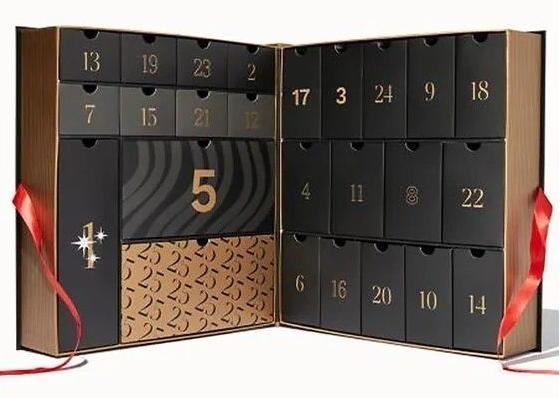
12-day luxury advent calendars suit premium, focused product launches, while 24-day formats maximize daily engagement through Christmas Eve. LansBox supports either strategy with production times of 10 to 30 business days. Interior-exterior printing across all custom box styles, ensuring packaging complexity matches your chosen count
Twelve-day advent calendars suit focused promotions and premium unboxing moments, while 24-day formats build sustained daily engagement through December. Custom packaging partners like LansBox produce both structures with tailored dimensions, printing, and finishing, letting brand managers match calendar length to campaign goals, budget, and product count before locking production timelines.
What Criteria Actually Matter for Format Choice?
Four factors separate a smart advent calendar format decision from a costly guessing game: timeline, order flexibility, print finishing, and material sustainability. Brand managers who skip this comparison often discover, too late, that a beautiful 24-door concept can’t ship before the season closes. Rushing that decision costs more than money — it costs the campaign window entirely.
Production timeline sits at the top of the list. LansBox turns custom orders around in 10 to 30 business days, depending on complexity, so a calendar with intricate die-cuts or specialty coatings needs earlier planning than a simple apartment-pack design. Order size flexibility comes next. Minimum order quantities vary depending on product type and customization level. A 7-day countdown box aimed at a small product drop may carry a different threshold than a 24-day flagship release.
Get a Custom Advent Calendar Quote from LansBox
Does print quality differ between compartment counts?
Print finishing stays consistent regardless of door count. LansBox applies interior and exterior printing across every custom box style. A 12-day format gets the same branded surprise-reveal treatment as a 24-day one.
Is one format more sustainable than another?
Sustainability doesn’t vary by size, either. Every paper-based structure LansBox produces is 100% recyclable, whether it houses 7 compartments or 24.
How Does a Shorter 12-Day Format Perform?
Twelve days delivers concentration, not scarcity for its own sake. A 12-day luxury version compresses the reveal cycle into less than half of December, forcing every box to earn its spot. Brand managers building vacation promotions for e-commerce lean on this structure when a full month feels like overcommitment.
Compact formats exist because marketing goals demand them, not because tradition requires 24 windows. Companies now build bespoke calendars around specific product types. Customer preferences, choosing day counts that match the campaign rather than the calendar year. Different brands may have unique needs based on their product types and marketing strategies. The day count should reflect that difference.
Does a shorter calendar still create urgency?
Urgency scales with scarcity, not duration. One limited-edition calendar sold out in under five minutes at a modest price point, proving that a tight window and a tight release schedule amplify demand rather than dilute it. Shorter formats compress the anticipation window, which can sharpen the rush instead of softening it.
Shorter runs also pair naturally with flexible order sizing. Custom packaging partners supporting compact, high-urgency drops need to accommodate smaller batches without punishing unit economics, and flexible order sizing makes that math work for brands testing a 12-day concept before scaling to a longer format next season.
How Does the Full 24-Day Format Compare?
Twenty-four days sets the industry benchmark. Retailers and shoppers recognize the advent calendar format faster than any 7-day or 12-day alternative. That familiarity carries real weight for brand managers weighing production against payoff. Recognition alone won’t fill a cart, though — scale and presentation still drive the numbers.
Price ceilings stretch dramatically at this length. Pricing varies by package; contact the brand directly for more information. That kind of margin only works because 24 days gives a brand enough runway to justify the spend. Keep customers opening doors through the entire season.
Get a Custom Advent Calendar Quote from LansBox
Is a 24-day calendar harder to produce than shorter formats?
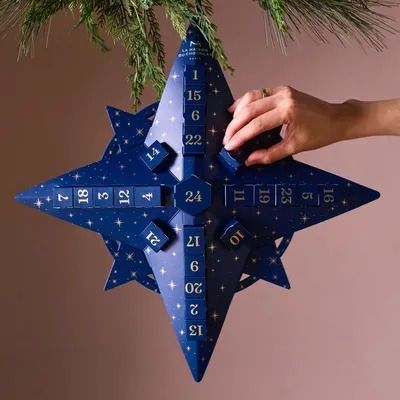
Not within a properly planned production window. LansBox builds 24-compartment structures inside its standard 10-to-30-business-day production range, even with heavier print work and more individual chambers to fill. The compartment count adds complexity, not delay, when the factory schedule accounts for it upfront.
Does more compartments mean more risk of defects?
Risk rises with compartment count, but so does the inspection effort applied against it. LansBox runs quality inspections across every one of the 24 compartments before a calendar ships, catching print misalignment or structural gaps early.
For brands chasing season-long engagement and premium positioning, 24 days remains the format to beat.
Which Advent Calendar Format Fits Your Production Plan?
Production timelines rarely dictate the choice between a compact seven-day box and a full 24-day countdown. Both advent calendar formats move through design review at the same pace. Standard file types like PSD, PDF, and JPEG get accepted for prototyping without extra conversion steps. Brand teams weighing short promotional windows against full-season campaigns can settle the format question on marketing fit, not manufacturing friction.
Material choice stays consistent across lengths, too. A 12-day luxury calendar and a full 24-day version both print on 100% recyclable paper stock, with no compromise on CMYK color accuracy or finishing options like foil stamping or embossing. Sustainability credentials don’t shrink just because the door count does.
Does a shorter calendar format cost less to fulfill?
Door count changes box size, not fulfillment complexity. Warehousing and logistics coordination consolidate seasonal inventory the same way whether a calendar holds 7 windows or 24, letting brands ship directly to customers without juggling multiple vendors.
Which format drives better inventory turnover?
Neither format inherently outperforms the other on turnover. What matters is coordinated order processing and quality inspection paired with the calendar program. Support like that can elevator inventory turnover by more than 15% during peak vacation demand.
The real decision comes down to campaign length and shelf presence, not production risk.
So Which Format Should Win Your Vacation Strategy?
No single advent calendar format wins across every brand goal. Pick blind, and a brand manager risks mismatched budgets or a launch that fizzles instead of sells out. The right choice depends on what the campaign actually needs to prove.
Get a Custom Advent Calendar Quote from LansBox
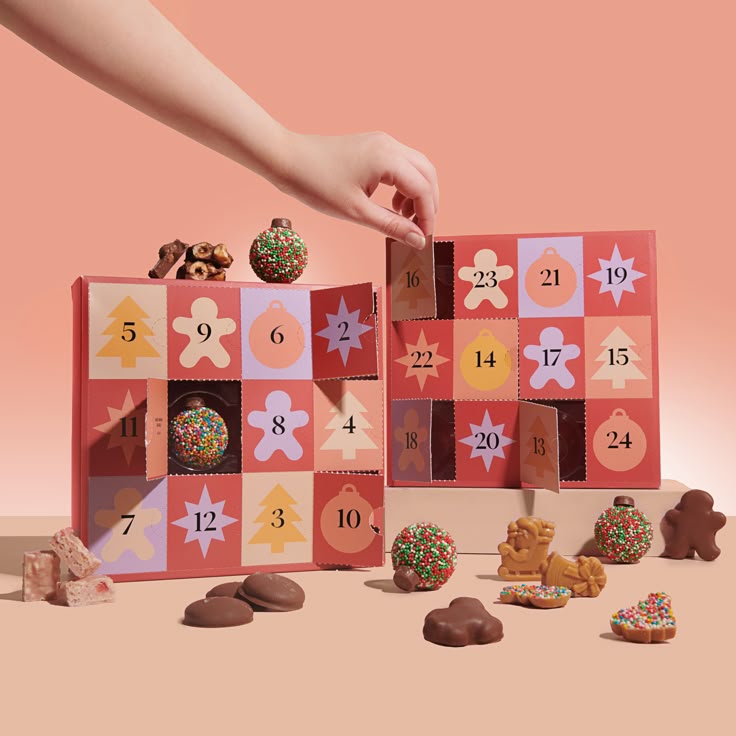
A shorter countdown, 12 days or fewer, works best when scarcity is the whole point. Burger King’s vacation calendar sold out in under five minutes last year, proof that a compressed window fuels panic-buying energy. A 24-day format flips that logic entirely, trading urgency for immersion. Vogue’s 2025 festive edition, priced around $430, packed in prestige beauty products, designer accessories, and a cashmere beanie, spinning a full-season unboxing story instead of a single sprint.
Does the calendar length limit order size?
Not at LansBox. Minimum order quantities shift with the product and the level of customization requested, so a lean 12-day drop and a lavish 24-day box program both fit within production capacity.
What keeps either format on track for the vacation deadline?
Timing is the real risk, not the day count. LansBox coordinates optimized order processing, quality inspection, warehousing, and logistics under one roof, keeping either format on schedule for the vacation window. Brand managers gain one accountable partner instead of juggling vendors during the busiest shipping season of the year.
Advent Calendar Format | FAQ
Which format suits a focused, premium campaign?
The 12-day format concentrates the reveal cycle into less than half of December, making every box earn its spot for premium, focused product launches.
Does compartment count affect print quality?
No, LansBox applies interior and exterior printing across every custom box style, so both 12-day and 24-day formats receive the same branded surprise-reveal treatment.
How far in advance should a brand plan production?
Brand managers should plan around LansBox’s 10 to 30 business day production window, starting earlier for calendars with intricate die-cuts or specialty coatings.
 EN
EN DE
DE FR
FR PL
PL PT
PT ES
ES JA
JA RU
RU AR
AR IT
IT NL
NL TR
TR KO
KO