

Advent calendar campaigns build repeat traffic by hiding daily discount codes, freebies, or gamified content behind numbered windows, giving marketers a reason for customers to return each day through December. Brands using tools like Advent Calendar Online capture visitor data at every unlock, turning a 24-day countdown into sustained engagement that outperforms single-touch vacation promotions.
Why Do Advent Calendars Drive Repeat Traffic?
Scarcity and daily reveals pull shoppers back to a site again and again. Retailers that build advent calendar marketing campaigns around limited windows create a reason to return that a static sale never matches. Burger King proved the point last November: its limited-edition advent calendar, priced at $19.54, sold out in under five minutes. That kind of speed doesn’t happen by accident. It happens because customers know the window closes fast and the next day’s reveal won’t wait for latecomers.
Value perception matters just as much as urgency. Vogue’s 2025 Festive Calendar illustrates the other lever at play, bundling more than $2,100 worth of prestige beauty products, designer accessories, and a cashmere beanie into a package priced around $430. Shoppers see a steep gap between sticker price and stated value. That gap becomes the story they tell themselves — and their followers.
Get a Custom Advent Calendar Quote from LansBox
Do cheap and expensive advent calendars work the same way?
Yes, largely. Burger King’s calendar and Vogue’s calendar sit at opposite ends of the price spectrum. Both rely on the identical consumer behavior mechanism: daily anticipation paired with a ticking clock.
Retail teams weighing a calendar campaign should note the common threads:
Time pressure — a countdown format, not an open-ended sale
Perceived value gap — bundled contents that outweigh the price tag
Daily cadence — a fresh reason to check back each day
Price point changes the audience. The mechanism driving return visits stays fixed.
What Makes A Winning Advent Calendar Campaign?
Three ingredients separate a campaign that drives December revenue from one that gets ignored: a structure that mimics the real thing, a reason to click daily, and a store that actually looks like the holidays arrived. Skip any one of those, and shoppers scroll past. Get all three right, and December becomes the highest-engagement month on the calendar.
Advent calendar marketing works best when it borrows the mechanics of the physical version. A microsite-style digital calendar, built around daily windows that reveal a new surprise, recreates that same countdown ritual online. Shoppers already know the format. No explanation needed, no learning curve — just a habit they already have, redirected toward a brand’s site.
What should sit behind each window?
Value has to justify the click. Discount codes, voucher offers, or small giveaways behind each window give shoppers a concrete reason to return day after day. In exchange, brands capture visitor data — email addresses, preferences, purchase intent. Turning a seasonal gimmick into a lead-generation engine that outlasts December.
Does the rest of the store need a seasonal refresh too?
Yes. A calendar dropped onto an otherwise unchanged storefront feels disconnected. Retailers who dress up their website and app with vacation visuals build stronger relationships with shoppers already shifting into festive mode.
A strong campaign typically combines:
A structured countdown format with daily reveals
Tiered incentives (codes, freebies, exclusive drops)
A data-capture mechanism tied to each unlock
Seasonal storefront styling that matches the calendar’s tone
Miss the styling piece, and the calendar reads as a bolt-on gimmick rather than a genuine campaign.
How Can Custom Packaging Elevator Unboxing Engagement?
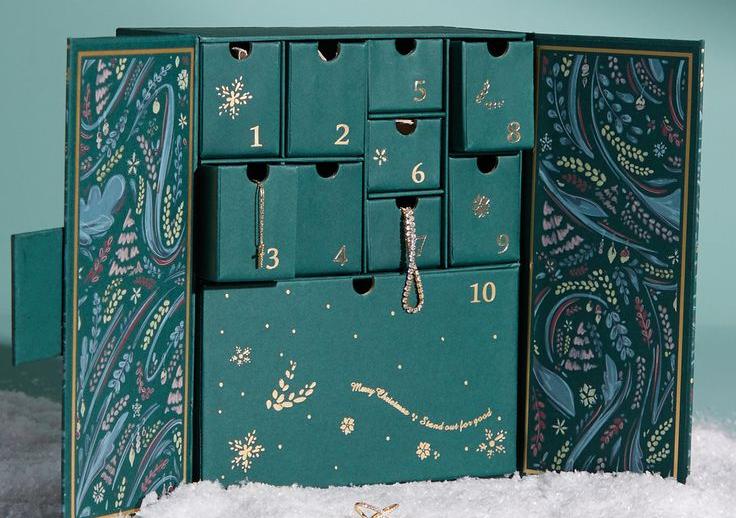
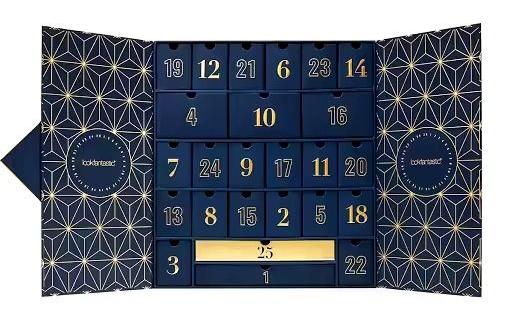
Custom packaging turns a routine delivery into a small event. Brands running an advent calendar marketing campaign need every one of those daily reveals to feel intentional, not accidental. Generic boxes flatten the drama; purpose-built ones amplify it.
LansBox builds custom-designed packaging boxes with creative printing and eco-friendly material choices, giving each opened window its own branded moment. Flexible order sizes mean a brand testing a 12-day countdown doesn’t need warehouse-scale minimums to get quality results. That flexibility matters for marketers piloting a first vacation drop before committing to a bigger run.
Get a Custom Advent Calendar Quote from LansBox
Does interior printing actually change the reveal experience?
Yes. LansBox prints on both the inside and outside of every box style, not just the exterior. That interior surprise fits the day-by-day format naturally. The outer design builds anticipation, and the inner print delivers the payoff. Retailers running sequential reveals get two branding touchpoints from one box instead of one.
Why do eco-conscious shoppers respond to recyclable packaging?
Sustainability now factors into purchase decisions almost as heavily as price. LansBox’s paper-based packaging is 100% recyclable. Brands can fold a genuine environmental claim into the campaign narrative instead of a vague green pledge.
Consider what each packaging choice contributes to an advent-style campaign:
Creative printing and eco-friendly materials — establishes a consistent, premium look across all 12 or 24 reveals.
Interior plus exterior printing — adds a hidden design layer that rewards the act of opening.
100% recyclable paper stock — supports sustainability messaging without extra sourcing work.
Packaging decisions made early shape how memorable the entire countdown feels, box by box.
How Fast Can You Launch A Branded Calendar?
Ten to thirty business days stands as the realistic window for a vacation calendar to move from concept to finished carton. That range covers everything from a simple structure to a multi-window box loaded with foil stamping or spot gloss. Brand managers building advent calendar marketing into their Q4 plan need that number early. It decides when design files are due and when a warehouse can start prepping fulfillment. Miss that window and the calendar ships after the countdown already started, which defeats the entire concept.
How early should a brand submit design files?
Design teams can hand over finished mockups in PSD, PDF, or JPEG format without reformatting for print. That flexibility matters most in Q3, when creative teams are juggling multiple vacation assets at once. Submitting early, ideally at the start of the production window, protects against last-minute revisions eating into the 10-to-30-day runway.
Does order size affect the launch timeline?
Minimum order quantities shift based on the product and the level of customization requested. A brand testing a small-batch calendar for a loyalty segment faces different volume requirements than one rolling out a storewide promotion. That flexibility lets marketing teams pilot a design before committing to a full production run.
Three factors shape the actual timeline:
Complexity of the structure — multi-door calendars with internal trays take longer than single-panel designs.
Finishing choices — embellishments like foil or gloss extend production versus apartment CMYK printing.
File readiness — accepted formats speed up prepress when submitted complete and print-ready.
Planning backward from a December launch date keeps the whole calendar on schedule, not scrambling in November.
How Do You Turn Calendars Into Loyalty?
Loyalty grows from what happens after the daily window opens, not from the cardboard itself. A brand running advent calendar marketing across 24 straight days is basically promising customers a small miracle every morning. Miss one shipment, and that promise looks pretty hollow by December 15th. LansBox handles that pressure through optimized order processing, thorough quality inspections, and coordinated logistics. The unglamorous machinery that keeps a multi-week reveal campaign running without stockouts or shipping delays.
Inventory math matters here too. Stock sitting in one coordinated hub moves faster than product scattered across a handful of regional vendors, hoping everyone stays in sync. Consolidated warehousing and fulfillment support can boost inventory turnover by more than 15%, which is the difference between selling out gracefully and apologizing to customers in week three.

Get a Custom Advent Calendar Quote from LansBox
Why does vendor count matter during a vacation countdown?
Fewer vendors means fewer places for a campaign to quietly fall apart. A single accountable partner handling packaging and fulfillment removes the coordination guesswork that trips up fast-moving vacation programs. Brand managers juggling five suppliers during peak season are juggling five points of failure.
A tighter operational setup typically covers:
Order processing that keeps 24 individual reveals shipping on schedule, not in batches.
Quality inspections that catch damaged units before customers ever see them.
Warehousing and logistics, run through one coordinated system instead of several disconnected ones.
None of that shows up in the marketing copy behind a calendar. It shows up in whether the box actually arrives — on time, intact, every single day it’s supposed to.
Advent calendar marketing succeeds when packaging and fulfillment work seamlessly together. By partnering with a supply chain specialist that handles custom box design, quality inspection, warehousing, and logistics, e-commerce brands eliminate operational friction and focus on what matters: customer engagement and repeat purchases. The result is a cohesive unboxing experience that drives loyalty. Positions your brand for sustained growth throughout the vacation season and beyond.
FAQ
Why do advent calendar campaigns drive repeat traffic?
Daily reveals paired with scarcity give shoppers a reason to return each day through December. Limited windows and countdown formats outperform static, single-touch vacation promotions by sustaining engagement over 24 days.
What should brands place behind each advent calendar window?
Discount codes, voucher offers, or small giveaways justify the daily click. These incentives also let brands capture visitor data—emails, preferences, and purchase intent—turning the campaign into a lasting lead-generation engine.
Does an advent calendar’s price point change how well it works?
No. Burger King’s low-priced calendar and Vogue’s premium bundle both rely on the same mechanism: time pressure, a perceived value gap, and daily cadence. Price shifts the audience, not the underlying behavior.
 EN
EN DE
DE FR
FR PL
PL PT
PT ES
ES JA
JA RU
RU AR
AR IT
IT NL
NL TR
TR KO
KO