

Corrugated boxes are the workhorse of e-commerce: light, strong and adaptable for protecting products in transit. This guide breaks down what corrugated board is, how linerboard, fluting and score lines affect foldability and durability, and why correct assembly matters for protection, branding and recyclability. You’ll find step-by-step folding methods for common styles, a rundown of tools and adhesives that keep pack lines efficient, tips for working with printed surfaces, and simple assembly approaches that support recycling and waste reduction. We cover Regular Slotted Containers (RSC), mailers, self-locking and die-cut formats with numbered steps, quick checklists for small-pack operations, and ECT guidance to simplify material choices. Whether you hand-assemble boxes or order pre-scored, pre-glued blanks at scale, these practices are designed for D2C and e-commerce brands looking for reliable protection and a clean unboxing experience.
What are corrugated boxes and their key components?
Corrugated board is a layered panel made of two outer linerboards bonded to a fluted medium; that sandwich gives panels resistance to bending while allowing controlled creases along score lines. The linerboard supplies printed surface strength and edge durability, while the fluting provides cushioning and column compression support. Those roles determine how a box folds, how crisp the crease will be, and which assembly methods—tucking, gluing or taping—work best. Picking a finer flute improves print clarity and folding performance, while a taller flute boosts cushioning but may need gentler scoring. Those trade-offs influence score placement and whether you should request pre-scoring or special folding tools from your supplier.
Get a Custom Corrugated Box Quote from LansBox
What materials make up corrugated boxes?
Typical corrugated construction uses linerboard, a fluting medium and a water-based adhesive; coatings and inks are optional and affect surface durability and recyclability. Linerboard is your printing face and provides edge strength, fluting (A, B, C, E types) gives shock absorption and column strength, and adhesives hold the layers together. Coatings or varnishes can protect prints but change how the board creases. Flute profile affects scoring: E-flute folds crisply for tight creases, while thicker A- and C-flutes need softer creasing to avoid fiber cracking. Industry trends are moving toward higher recycled-content linerboards and water-based inks to balance recyclability with structural needs.
Note: although higher recycled content improves sustainability, research shows recycled boxes can lose more compression strength than virgin boards when exposed to high or fluctuating humidity.
Recycled vs. virgin corrugated box performance & strength
A study compared compression strength and creep of corrugated boxes made from virgin and recycled liners and mediums (matched by ring crush) after exposure to high and cyclic relative humidity. Both box types lost compression strength under those conditions, but boxes with recycled fiber showed larger reductions than virgin boards.
| Flute Type | Typical Thickness & Cushioning | Common Use Cases |
|---|---|---|
| A flute | ~4.8 mm — high cushioning | Very fragile items needing shock absorption |
| C flute | ~3.6 mm — balanced strength and cushioning | General shipping boxes and e-commerce parcels |
| E flute | ~1.6 mm — thin, smooth surface | High-quality printed mailers and retail packaging |
Use this mapping of flute type to protection and print needs to choose the right substrate before ordering or assembling boxes. Knowing these attributes reduces assembly errors and helps you pick folding methods that preserve box performance.
Which box styles require assembly?
Many box styles ship flat and need manual or semi-automated assembly. Common user-assembled types include Regular Slotted Containers (RSC), mailer boxes, self-locking designs and die-cut formats. RSCs are usually folded bottom-to-top and sealed with tape or glue; mailer and self-locking boxes often use interlocking tabs that cut down on tape; die-cut cartons may require precise tucking. Complexity varies: RSCs suit high-throughput taping, mailers save material but need correct tab engagement, and die-cut pieces demand accurate alignment for a clean finish. For larger runs, pre-scoring, pre-gluing or pre-taping cuts assembly time while keeping structure and appearance consistent.
How to assemble common corrugated box styles — step by step
This section gives concise, repeatable sequences for the box styles most common in e-commerce: the right fold order, sealing patterns and quick troubleshooting to avoid weak corners or uneven closures. Follow the numbered steps to get consistent strength and presentation; use the troubleshooting notes to adjust fold pressure or tape placement when seams gap. Simple visual rules — fold toward printed panels, align score lines, and test a sample box before full runs — cut down on returns caused by packaging failures.
What follows are step-by-step instructions optimized for hand assembly and small packing lines.
- Regular Slotted Container (RSC) assembly:Prepare the blank: Place the blank so the score lines run vertically and the shorter flaps face up.Form the bottom: Fold the two inner bottom flaps in first, then fold the outer bottom flaps over them to make the base.Seal the bottom: Apply either a center seam or an H-tape pattern depending on payload; press tape down firmly and smooth out air pockets.Pack and close: Add product with appropriate cushioning, fold the top flaps in the reverse order, and seal using the same tape pattern as the bottom.
These steps produce a structurally sound box. If corners bow or seams separate, add corner reinforcement or move to a stronger tape pattern. Test boxes with the expected payload to confirm your tape and closure pattern are adequate.
| Box Style | Assembly Complexity | Recommended Closure | Typical E-commerce Use |
|---|---|---|---|
| RSC | Low | Pressure-sensitive tape (H or center seam) | Bulk shipments, multi-item orders |
| Mailer box | Medium | Tuck-lock or minimal tape | Single-SKU retail and subscription |
| Self-locking box | Low | Internal tab lock; tape optional | Mail-order apparel and cosmetics |
What are the folding techniques for Regular Slotted Containers?
Folding an RSC depends on a consistent flap sequence and attention to score lines to keep the box square and distribute load across seams. Fold the two shorter flaps to the center first, then fold the longer flaps over them, aligning edges so corners are square — misalignment creates stress points that can crush under load. For sealing, use an H-tape pattern for heavier loads to reinforce both center and edge seams, or a single center seam for lighter shipments to save material. If corner gaps appear, re-crease the flutes slightly outward and add corner tape or a reinforcement patch to recover compressive strength.
How to assemble mailer and self-locking boxes?
Mailer and self-locking boxes rely on scored tabs and slots that lock without adhesives, but correct engagement and snug folding prevent transit openings. Fold minor panels inward, insert locking tabs fully until they seat flush, and press along primary creases to form rigid edges — incomplete tab insertion is the most common failure. For fragile or bulk shipments, add a small tape tab or a tamper-evident seal for extra security. Mailers work best with right-sized internal inserts to stop movement that can undo a lock.
To reduce manual work, ask vendors for pre-scored or pre-glued blanks matched to your SKUs and print needs.
LansBox supplies common foldable and self-locking designs and can deliver pre-scored or pre-glued blanks that speed assembly while maintaining print quality and fit — a practical choice for brands that want production-grade packaging without in-house tooling.
What tools and supplies are needed for corrugated box assembly?
Reliable assembly needs a small set of tools and consumables that balance speed and seal strength. Tool ergonomics and tape choice affect throughput and seam reliability. Below is a concise checklist for small-to-medium pack lines assembling boxes consistently and protecting shipments.
- Box cutter: Retractable blades are safer for opening and trimming.
- Tape gun / dispenser: Speeds pressure-sensitive tape application and gives consistent adhesive contact.
- Corner-folding tool: Squares corners and reduces finger strain during manual forming.
- Measuring device: Tape or ruler for quick dimensional checks to confirm proper fit and right-sizing.
These tools speed manual assembly and cut errors; for higher throughput, consider semi-automated fold-and-tape aids that keep fold pressure and tape placement consistent. Moving from manual to semi-automated equipment typically lowers labor time per unit and improves repeatability of seals.
Get a Custom Corrugated Box Quote from LansBox
Which adhesives and tapes work best for box assembly?
Pick adhesives based on box style, product weight and transit conditions. Water-activated tape (WAT), pressure-sensitive tape (PST), and hot-melt glue each have trade-offs. WAT bonds into liner fibers for a tamper-resistant, high-strength seal suited to heavy loads. PST offers fast application for light-to-medium items. Hot-melt glue fills gaps and is common in automated lines, but it requires equipment and cure-time planning. If you want to avoid adhesive equipment, pre-glued or pre-taped blanks reduce assembly steps and simplify QA.
| Tape/Adhesive | Strength & Best For | When to Use |
|---|---|---|
| Water-activated tape (WAT) | High bond; fiber penetration | Heavy loads, tamper-evident sealing |
| Pressure-sensitive tape (PST) | Fast application; moderate strength | High-speed packing for light-to-medium items |
| Hot-melt glue | Gap-filling; automated lines | Automated assembly and point bonding |
This comparison helps you match closure method to your shipping profile and labor model so you can pick the fastest reliable option for each SKU family. LansBox can supply pre-taped or pre-glued blanks and offer kitting and fulfillment if you prefer outsourcing closure prep.
Are there recommended tools for efficient assembly?
To improve ergonomics and throughput, invest in good dispensers, fold aids and inspection jigs that reduce variability and speed handling while preserving box integrity. Tape dispensers with adjustable tension and spring-loaded rollers lower operator strain and ensure consistent adhesion; corner folders keep squareness for better stacking strength. Low-cost semi-automation, like handheld fold-and-tape fixtures, scales well for SMBs and reduces variability versus fully manual assembly. As you scale, pre-scored and pre-glued blanks from packaging partners can eliminate many equipment needs and shorten time from receiving material to shipping product.
How does custom printed packaging impact box assembly?
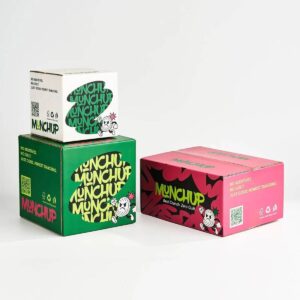
Custom printing boosts brand presentation but affects assembly because inks, varnishes and coatings change board stiffness and crease behavior. Heavy ink coverage and protective coatings can crack or scuff on tight folds unless scoring is adjusted or a finer flute used. Place dielines and fold lines away from critical artwork to reduce visible defects, and pick finishes (matte vs. gloss) based on the balance between scuff resistance and crease flexibility. Understanding these interactions preserves print appearance and ensures smooth assembly and a premium unboxing experience.
What printing techniques affect assembly processes?
Digital and flexographic printing create different surface properties that influence scoring and crease durability. Digital is ideal for short runs and variable art but often sits on the surface and can crack on tight folds without adjusted scoring. Flexo soaks into liner fibers and usually handles creases better but may need drying or varnish to prevent scuffing. Protective coatings and aqueous varnishes increase abrasion resistance but change folding behavior, so specify alternate scoring or creasing where needed. Recent trends favor water-based pigments and lower-viscosity inks to reduce stiffness along fold lines.
LansBox offers custom printing and runs quality checks to minimize assembly issues on printed surfaces, pairing fast quotes with finishing advice that aligns print choices to intended folding and handling.
How to handle printed surfaces during folding and assembly?
Handle printed panels carefully and fold with the printed face outward to reduce friction and scuffing. When pressing creases, use a smooth tool rather than aggressive finger pressure that can abrade ink or varnish. For critical artwork near folds, request pre-scoring or micro-perforations to produce clean bends without ink cracking, and consider a fine flute or coated liner to improve print resilience. If you see cracks in prototypes, revisit die-line placement and scoring depth, and run small-batch tests with the final adhesives and tapes. Always do a mock assembly with filled product to confirm appearance and structural performance before committing to full production.
How to incorporate sustainability in corrugated box assembly?
Making assembly more sustainable means choosing recyclable materials, minimizing mixed-material closures and designing folds and closures to reduce waste while protecting product. Use mono-material solutions, recycled-content linerboards and recyclable tapes to keep end-of-life recycling streams intact. Right-size boxes to each SKU to cut void fill and dimensional weight. Avoid laminates when possible, specify water-based inks, and choose adhesive systems that don’t introduce plastic films — these choices support circularity and often reduce per-shipment costs through material efficiency.

Get a Custom Corrugated Box Quote from LansBox
What eco-friendly materials are used in sustainable boxes?
Sustainable boxes commonly use recycled-content linerboard, uncoated boards and water-based inks that keep the board recyclable. Mono-material coatings or no-coat finishes help avoid recycling barriers. Higher recycled fiber ratios can impact stiffness, so compensate with targeted reinforcement or a different flute where needed. Recyclable tapes and paper-based adhesives prevent contamination of recycling streams, and minimizing plastic film layers preserves recovery rates. For D2C brands, balance recycled content with the compression strength required to protect your product.
How to assemble boxes to maximize recyclability and reduce waste?
To keep boxes recyclable, avoid mixing incompatible materials during assembly: use paper-based tapes, water-activated tape or adhesive systems that don’t introduce plastic films, and skip polyethylene lamination when possible. Design folds and closures to need minimal extra adhesives or inserts, right-size packages to cut void fill, and use nest-folding of flat blanks and batch assembly to reduce handling waste. Train packers to remove non-recyclable components (for example, plastic sleeves) before shipping. These practices make recycling easier and often lower material costs.
- Prefer mono-material substrates and avoid laminates.
- Use recyclable or paper-based tapes for closures.
- Right-size boxes to reduce void fill and material use.
Applied consistently, these steps improve recyclability and typically lower per-shipment costs by reducing dimensional weight and material consumption.
What are best practices and common mistakes in corrugated box assembly?
Consistent assembly routines and basic QA checks prevent many common packaging failures that cause returns or damage claims — things like under-taping, choosing the wrong box style, or creasing through key printed panels. Best practices center on choosing the right materials, using proven tape patterns, sampling before full runs and training operators. The principle is simple: repeatable processes plus inspection equal fewer transit failures. Structured QA — including weight, drop and compression checks on assembled samples — proves your assembly approach will hold up in the real world and preserve brand presentation.
How to ensure structural integrity during assembly?
Start by picking the right box style and flute for the expected payload, then apply closure patterns such as H-tape or reinforced center seams for heavier items. During assembly, visually and tactically inspect seams and corners to verify tape adhesion and flap alignment; edge gaps signal the need for reinforcement or a stronger closure. Run a simple stacking or compression test on sample packages to confirm corners and flaps hold under expected warehouse loads. Regularly calibrate dispensers and creasing tools so fold force and tape application stay consistent across shifts.
What assembly errors to avoid for e-commerce packaging?
Common mistakes include selecting the wrong box size, not using enough cushioning, under-taping bottoms and tops, and creasing through printed artwork. Fixes are straightforward: right-size and use tailored inserts to avoid excessive void space; adopt stronger tape patterns or water-activated tape for heavier orders; and place folds away from critical artwork or request micro-scoring. Simple pre-shipment checks — comparing weight to rated ECT and a visual seal inspection — catch many problems before packages leave your facility.
When you need faster scaling or production-grade consistency, work with specialized vendors for pre-scored, printed and kitted materials.
If you need production-grade packaging, samples, pre-scored designs or integrated warehousing and fulfillment, LansBox provides custom printed boxes, pre-scoring and extended supply chain services to simplify assembly and distribution.
How to Assemble Corrugated Boxes | FAQs

Get a Custom Corrugated Box Quote from LansBox
What are the benefits of using corrugated boxes for e-commerce shipping?
Corrugated boxes offer several advantages for e-commerce: they’re lightweight (helping control shipping costs), strong enough to protect products in transit, and flexible in size and design. They’re also recyclable and can be made from recycled materials, which supports sustainability goals. Custom printing adds branding and enhances the unboxing experience, making corrugated an ideal choice for D2C brands that want protection and presentation.
How can I ensure my corrugated boxes are environmentally friendly?
Choose materials with higher recycled content, avoid mixed-material closures that complicate recycling, and use water-based inks and adhesives that don’t add plastic films. Opt for mono-material finishes when possible and right-size boxes to reduce void fill. Switching to recyclable or paper-based tapes also helps. These steps lower environmental impact and can reduce material and shipping costs.
What are the common mistakes to avoid when assembling corrugated boxes?
Common assembly mistakes include using the wrong box size, inadequate taping, and creasing through printed artwork. These issues can lead to damaged products and more returns. Avoid them by right-sizing packaging, using appropriate tape patterns, placing critical artwork away from folds or requesting micro-scoring, and performing basic pre-shipment checks.
How does the choice of adhesive affect box assembly?
Adhesive choice matters for strength and speed. Water-activated tape (WAT) creates a strong, tamper-evident bond ideal for heavy shipments. Pressure-sensitive tape (PST) is fast and convenient for lighter loads. Hot-melt glue works well in automated lines and for gap-filling, but requires equipment and curing considerations. Match your adhesive to box style, product weight and packing speed.
What role does custom printing play in box assembly?
Custom printing elevates brand presence but can change board behavior at folds. Heavy ink coverage or coatings may crack along score lines unless you adjust scoring or choose an appropriate flute. Plan dielines so critical artwork avoids tight folds and discuss scoring options with your supplier to preserve both aesthetics and structural integrity.
How can I improve the efficiency of my box assembly process?
Improve efficiency by using ergonomic tools and semi-automated equipment: reliable tape dispensers, corner-folding tools, and measuring devices reduce errors and speed handling. Train staff on standard processes, implement QA checks, and consider pre-scored or pre-glued blanks as you scale to cut manual labor and increase throughput.
Conclusion
Effective corrugated box assembly protects product, strengthens your brand presentation and reduces waste when done right. By understanding materials, folding techniques and sustainable choices, you can optimize packaging for performance and cost. Follow the best practices here, validate with sample testing, and reach out for tailored solutions when you need production-grade results. Explore our custom packaging options to find the right fit for your brand.
 EN
EN DE
DE FR
FR PL
PL PT
PT ES
ES JA
JA RU
RU AR
AR IT
IT NL
NL TR
TR KO
KO