

Corrugated boxes combine linerboard and a fluted medium to create corrugated fiberboard — a structure designed to protect products, stack reliably, and serve as a printable canvas for your brand. In this guide we cover the core classifications you’ll need: wall construction (single, double, triple) and common flute profiles (A, B, C, E, F). You’ll learn how those choices affect protection, print results, and suitability for e‑commerce and D2C shipments. Picking the right board impacts transit damage, shelf presence, and sustainability scores, so it helps to understand liner grades, flute geometry, and strength tests like ECT and burst. We explain wall types with ECT guidance, compare flutes for cushioning versus graphic quality, review common box styles, and explain why custom printed corrugated boxes can boost conversion and sustainability. Each section includes practical recommendations, quick references, and checklists so you can match product fragility, weight, and presentation goals to the best corrugated solution.
What Are the Core Types of Corrugated Boxes by Wall Construction?
Wall construction describes how many liners and fluted mediums are laminated together. The three main options are single wall, double wall, and triple wall, each offering progressively more edge crush and stacking strength. Single wall (one flute between two liners) is cost‑effective and printable for lighter items. Double wall (two flutes + three liners) increases ECT and suits medium‑weight or fragile goods on longer routes. Triple wall (three flutes + four liners) gives industrial performance for heavy loads and palletized freight. Your choice should reflect product weight, fragility, shipping distance, and stacking needs — all measurable with ECT and burst strength tests.
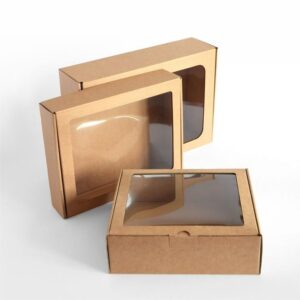
Get a Custom Corrugated Box Quote from LansBox
The Edge Crush Test (ECT) is a standard metric for estimating a corrugated board’s load capacity and is commonly referenced in packaging specs.
Corrugated Board ECT Testing & Load Capacity
The edge crush test is the industry’s primary lab test for corrugated board. It measures resistance to crushing in the cross‑fiber direction (known as the ECT index) and is widely used by manufacturers and specifiers to describe board performance. ECT also feeds into analytical and numerical models for load capacity: given the compressive strength (SCT), elastic properties of layers, and the corrugated geometry (period and height), the ECT value can be predicted. This makes ECT a practical tool when matching board to expected stacking loads.
Overview of recent studies at IPST on corrugated board edge compression strength: Testing methods and effects of interflute buckling, 2012
| Wall Type | Construction / Layers | Typical ECT Range (lbs/in) | Recommended Uses |
|---|---|---|---|
| Single wall | 2 liners + 1 flute | 32–44 ECT typical | Lightweight products, direct-to-consumer mailers, retail-ready boxes |
| Double wall | 3 liners + 2 flutes | 44–60 ECT typical | Electronics, glassware, multi-leg transit, export shipments |
| Triple wall | 4 liners + 3 flutes | 60+ ECT typical | Industrial equipment, heavy appliances, long-term pallet storage |
This table links each wall construction to measurable strength and common applications. Picking the right wall type lowers damage rates and shipping claims. The sections below expand on single and double wall options to help you choose the best fit for typical e‑commerce and D2C products.
What Defines Single Wall Corrugated Boxes and Their Uses?
Single wall boxes use one fluted medium between two liners, striking a balance between cost, cushioning, and printability that fits many consumer shipments. They work well for lighter items such as cosmetics, apparel, books, and boxed retail goods where impact risk is low to moderate and presentation matters. Single wall pairs nicely with E, F, or B flutes when you need a smooth graphic surface and supports digital and flexo printing without large material costs. When choosing single wall, evaluate product weight, fragility, and whether inserts or void fill will handle shock — if not, consider stepping up to double wall.
How Do Double Wall Corrugated Boxes Provide Enhanced Protection?
Double wall stacks two fluted media with three liners to deliver higher edge crush and puncture resistance, making it a reliable choice for fragile or medium‑weight items on longer journeys. Common uses include small appliances, bulk cosmetics, glassware, and electronics that face multiple handling events. Double wall supports flute pairings (for example, C+B or C+E) that blend cushioning and stacking strength while still allowing strong print results — though the finest graphic fidelity may be slightly less than single wall with E/F flutes. For shipments needing internal cushioning, specify expected stacking load and transit duration so you can pick the correct board grade and flute combination.
How Does Triple Wall Corrugated Packaging Meet Industrial Strength Needs?
Triple wall uses three fluted media and four liners bonded into a single board to create industrial‑grade panels for maximum stacking, puncture, and crush resistance. Industries shipping heavy machinery, palletized loads, or dense parts choose triple wall when long ocean or rail transit, forklift handling, and extended warehouse stacking are involved. The trade‑offs are more material weight, higher cost, and a coarser print surface, so triple wall is best for protection first — not premium shelf graphics. Use it where transit integrity outweighs visual finish, or pair it with inner packaging and external branding solutions to preserve the customer experience.
What Are the Benefits and Applications of Triple Wall Boxes?
Triple wall boxes offer superior stacking strength, resistance to penetration and crushing, and consistent performance under sustained loads — all valuable for heavy or dense goods. Typical applications include industrial equipment, large appliances, drums, and engineered components that travel long distances or remain in heavy storage. Their durability reduces replacement and return costs for palletized freight. While you can print on triple wall, the thicker board often requires specialized workflows or applied labels rather than high‑fidelity litho‑lamination. Knowing these trade‑offs helps brands reserve triple wall for transit protection and invest elsewhere for retail presentation if needed.
How Does Triple Wall Compare to Single and Double Wall Boxes?
Triple wall gives the highest ECT and burst values, followed by double wall and then single wall. That performance ladder drives trade‑offs in cost, weight, and printability. In short: single wall is best for light, presentation‑sensitive items; double wall balances protection and print for medium‑weight consumer goods; triple wall is for heavy, industrial shipments where protection is paramount. Use the quick rules below to decide when to upgrade:
- Choose single wall when weight is low and unboxing/branded presentation is a priority.
- Upgrade to double wall for medium-weight or fragile items traveling multiple legs or requiring better stacking strength.
- Select triple wall for heavy, palletized, or long-term storage shipments where damage risk is highest.
For large‑volume or industrial orders that need heavy‑duty custom solutions, some suppliers provide integrated manufacturing and supply‑chain support — tooling, large runs, and logistics — services worth confirming to ensure consistent quality and on‑time delivery.
What Are the Different Corrugated Box Flute Sizes and Their Characteristics?
Flute profiles — A, B, C, E, and F — set the corrugated medium’s height and pitch, which affect cushioning, board thickness, and the smoothness of the printable surface. Coarser flutes (A, C) give better cushioning and crush resistance; finer flutes (E, F) create smoother surfaces ideal for high‑resolution printing and retail packaging. The table below shows approximate thickness, character, and common uses to make flute selection quick and practical.
| Flute Type | Approx. Thickness / mm | Characteristic | Best Applications |
|---|---|---|---|
| A-flute | ~4.8 mm | High cushioning and vertical compression resistance | Heavy fragile items, bedding, large electronics |
| B-flute | ~2.5 mm | Good stacking and die-cut precision | Beverage trays, small item packaging, high-speed packing |
| C-flute | ~3.6 mm | Balanced cushioning and stacking | General shipping cartons, mixed-weight products |
| E-flute | ~1.6 mm | Smooth printable surface, thin profile | Retail-ready boxes, mailers, custom printed boxes |
| F-flute | ~0.8–1.0 mm | Very fine flute for premium graphics | Cosmetic boxes, jewelry packaging, POP displays |
This table clarifies flute trade‑offs so you can prioritize cushioning for transit or a finer print surface for branding, and it sets up the next comparison between A/B/C flutes and E/F printing choices.
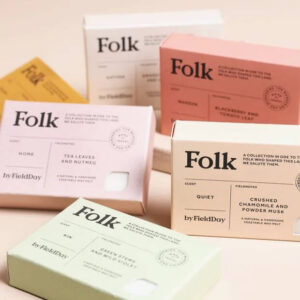
Get a Custom Corrugated Box Quote from LansBox
How Do A, B, and C Flutes Differ in Thickness and Strength?
A, B, and C flutes differ in height and pitch. A‑flute is the tallest and best for shock absorption; B‑flute is thinner with strong crush resistance and excellent die‑cutting behavior; C‑flute sits between them and is the common choice for general shipping. A‑flute is useful when vertical cushioning matters (bulky, fragile items). B‑flute works well in high‑speed automated packing and for precise die‑cut inserts. C‑flute balances cushioning, stacking strength, and cost. Designers often pair these flutes within wall constructions — for example, using A in single wall for cushioning or combining B and C in double wall for both stacking and protection.
Why Are E and F Flutes Preferred for Custom Printing and Retail Packaging?
E and F flutes have tight profiles and thinner board thickness, producing a flatter printing surface that supports higher‑resolution flexo, digital, and litho‑laminate processes. These finer flutes render sharper graphics with less visible fluting under ink, making them ideal for cosmetics, gifts, and jewelry where shelf impact and unboxing matter more than heavy cushioning. The trade‑off is less inherent cushioning, so brands using E/F often add inserts, molded pulp, or foam for transit protection. Choosing finer flutes strengthens brand presentation but usually requires complementary internal protection for fragile items.
Which Common Corrugated Box Styles Are Used for Custom Packaging?
Box style affects packing efficiency, automation compatibility, protection, and branding opportunity. Common styles include RSC (Regular Slotted Container), FOL (Full Overlap), die‑cut/display, HSC (Half‑Slotted Container)/telescope, and mailer‑style boxes for D2C. Each style has trade‑offs: RSC is economical and automation‑friendly, FOL boosts stacking and edge protection, die‑cut designs enable unique unboxing, and mailers combine branding with single‑item convenience. The table below matches styles to features, protection levels, and typical use cases so you can pick the right format for your product.
| Box Style | Key Feature | Protection Level | When to Choose |
|---|---|---|---|
| RSC (Regular Slotted Container) | Efficient, minimal waste | Moderate | High-volume e-commerce, automated packing |
| FOL (Full Overlap) | Flaps fully overlap for extra top/bottom strength | High | Heavy items, palletized shipments |
| Die-cut / Display | Custom shapes, integrated folding for POP | Variable (depends on board) | Retail displays, high-impact unboxing |
| Mailer / Tuck-top | Retail-ready mailers with easy opening | Low–Moderate | Subscription/D2C single-item shipments |
This comparison helps you match product size, packing method, and branding goals to a box style. The sections below explain why RSC is so common and how FOL and die‑cut options enhance brand expression.
What Are the Features of Regular Slotted Container Boxes?
The Regular Slotted Container (RSC) is the most widely used e‑commerce box: its four flaps meet at the center, which minimizes waste and allows flat storage and fast erection on automated lines. RSCs suit a broad range of SKUs, are cost‑effective, and accept multiple closure methods (tape, glue, tamper‑evident seals), making them ideal for scalable logistics. From a branding perspective, RSCs can be fully printed, labeled, or fitted with sleeves to lift the unboxing experience without large per‑unit costs. Still, designers should evaluate whether inserts or void fill are needed to protect fragile items. If you need more protection or a standout retail look, consider FOL or die‑cut alternatives.
How Do Full Overlap and Die-Cut Boxes Enhance Branding?
Full Overlap (FOL) boxes increase stacking strength because the flaps fully overlap, creating a thicker top and bottom that reduces corner crush — a useful feature for heavy or fragile items. Die‑cut boxes let you create custom shapes, windows, and integrated displays that raise perceived value in unboxing and at retail, especially for gifts, cosmetics, and jewelry. The trade‑offs are higher tooling costs and potential reductions in packing speed, so weigh production economics against marketing lift. When you aim for a high‑impact unboxing or retail display, investing in die‑cut designs or FOL protection often pays off through higher conversion and fewer damage claims.
Why Choose Custom Printed Corrugated Boxes for E-commerce and D2C Brands?
Custom printed corrugated boxes combine protection with brand storytelling, turning every shipment into a meaningful touchpoint that can improve conversion, retention, and perceived value. Custom packaging delivers three clear benefits: consistent brand identity across the unboxing experience, a better customer experience through thoughtful design, and the ability to align materials with sustainability values that matter to eco‑conscious buyers. For D2C brands, well‑designed printed boxes increase repeat purchases and social sharing while still protecting the product. The next section explains how printing choices affect brand identity and how to match print methods to board selection.
- Custom printed boxes improve brand recognition across the unboxing experience.
- Custom printing lets you use brand colors, messaging, and tactile finishes to raise perceived value.
- Sustainable printed materials help meet consumer expectations for recyclability and reduced packaging waste.
Those benefits translate into measurable marketing and logistics outcomes, making custom printing a strategic investment for growing e‑commerce brands.
(Provider integration note: If you want an end‑to‑end partner for custom printed boxes, LansBox offers design, inspection, assembly, packaging, warehousing, and shipping. We provide instant quotes, fast turnarounds, and material cost advantages for e‑commerce brands. LansBox produces custom printed boxes for cosmetics, gifts, retail, and jewelry and promotes 100% recyclable paper‑based packaging — a practical option when you need both branding and operational scale.)
How Does Custom Printing Elevate Brand Identity and Customer Experience?
Custom printing turns your visual identity — logo, typography, and unboxing cues — into the physical package, reinforcing recognition and emotion when customers open their order. High‑fidelity printing options — digital for short runs, flexo for mid‑runs, and litho‑laminate for premium finishes — need to be matched to flute selection and linerboard to preserve color and avoid ink issues. Practical tips: prioritize logo placement, keep contrast for legibility, and use finishes (soft‑touch, varnish) sparingly to add tactile cues without undermining recyclability. Aligning print method with board type ensures your packaging both protects and persuades.
Advances in digital printing have made personalized and on‑demand packaging more practical, letting brands tailor messages to individual customers.
Digital Printing for Personalized Corrugated Packaging
As digital printing has advanced, variable data and on‑demand printing for personalized packaging have become increasingly popular. Brands can now add individualized information either as a hybrid (adding inkjet or toner over traditionally printed material) or by printing the entire package digitally. Hybrid approaches require careful color matching; full digital printing offers flexibility for small runs and personalization without plates.
Experimental Study of Digital Printing Methods for Producing Personalized Packaging, XY Rong, 2013
What Sustainable Options Does LansBox Offer for Eco-Friendly Packaging?
LansBox promotes 100% recyclable paper‑based packaging as part of our custom box solutions, helping brands cut plastic and improve end‑of‑life recycling. We offer recycled‑content linerboard and paperboard options and advise on balancing recycled fibers with print quality — higher recycled content can affect graphic fidelity, so targeted litho‑laminates or selective varnishes are sometimes recommended to preserve appearance while keeping recyclability. LansBox acts as a supply‑chain partner offering instant quotes, fast turnaround, and integrated services (from design to shipping) to help brands scale sustainable packaging without extra logistics burden. For specific certifications or a quote,contact LansBox directly to align materials with your sustainability goals.
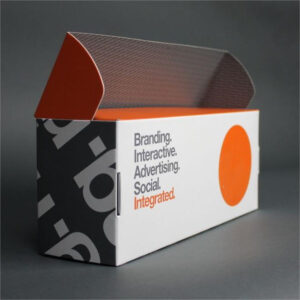
Get a Custom Corrugated Box Quote from LansBox
Research consistently highlights corrugated board’s versatility and improving environmental profile across its lifecycle.
Sustainable Corrugated Packaging: Lifecycle & Design
Corrugated board is a versatile, sustainable material used in transport and shelf‑ready packaging. Research has improved its lifecycle through material design, structural optimization, and better recycling processes, extending usability while reducing environmental impact. By focusing on transport and SRP packaging, these studies show how innovation supports a circular economy, reduces waste, and increases resource efficiency — all key to modern logistics and retail.
The impact of scientific research on corrugated board on the lifecycle of packaging, T Garbowski, 2024
- Recyclable Materials: LansBox offers paper‑based packaging that is fully recyclable to reduce plastic waste.
- Recycled Content Options: Recycled fiber choices are available, with guidance on print trade‑offs.
- Integrated Supply-Chain Support: Design, production, warehousing, and shipping services streamline sustainable packaging adoption.
Choosing recyclable corrugated materials is a practical way to meet consumer expectations while maintaining on‑package presence that complements sustainability certifications.
- Assess weight and fragility: Match ECT and flute profile to product risk.
- Prioritize print surface: Use E/F flutes for retail, add inserts for protection.
- Balance recycled content and finish: Optimize for both sustainability and brand appearance.
These steps connect material science to brand strategy so teams can specify corrugated solutions that meet protection, presentation, and environmental goals.
Types of Corrugated Boxes | FAQs
What is the difference between corrugated boxes and regular cardboard boxes?
Corrugated boxes have a fluted layer sandwiched between two flat linerboards, which gives them superior strength and cushioning compared with single‑layer cardboard. That layered construction helps corrugated boxes resist pressure and impact, making them better for shipping and storage. They’re also more customizable in size and printing, which creates stronger branding opportunities.
How can I determine the right flute type for my packaging needs?
Pick a flute based on your product’s fragility, weight, and how important print quality is. A‑flute gives the best cushioning for heavy, fragile items; B‑flute works well for high‑speed packing and precise die‑cuts; C‑flute balances cushioning and stacking for general shipping. For retail‑ready packaging, E and F flutes give smoother surfaces and better print detail. Assess your product and transit profile to choose the best flute.
What are the environmental benefits of using corrugated boxes?
Corrugated boxes are highly recyclable and often include recycled material, making them an eco‑friendly choice. Their light weight reduces transport emissions, and their durability lowers waste by preventing damage. Many manufacturers, including LansBox, offer recycled‑content and fully recyclable solutions that help brands meet consumer demand for responsible packaging.
Can I customize the size and design of corrugated boxes?
Yes. Corrugated boxes can be tailored in size and design to match product dimensions and branding. Options include different box styles, printing techniques, and finishes to boost visual appeal. That flexibility lets businesses protect their products while reinforcing brand identity and improving unboxing.
What factors should I consider when selecting a packaging supplier?
When choosing a supplier, look for the ability to deliver custom solutions: material options, design capability, and reliable lead times. Check their sustainability practices (recyclability, recycled content) and evaluate responsiveness, customer service, and logistics support — all of which affect your supply chain performance and satisfaction with the final packaging.
How do I ensure my products are protected during shipping?
To protect products in transit, choose the appropriate corrugated type for weight and fragility and use internal cushioning (inserts, molded pulp, foam) to limit movement. Consider stacking strength and ECT ratings for expected loads, and use proper sealing and labeling to improve safety and handling during shipping.
Conclusion
Understanding corrugated box types and their applications helps you optimize protection and boost brand presentation. By matching wall construction and flute profile to product needs, you can reduce damage, improve customer satisfaction, and meet sustainability targets. Explore our custom packaging solutions to find the right fit for your products — contact us to elevate your packaging strategy and reach your environmental goals.
 EN
EN DE
DE FR
FR PL
PL PT
PT ES
ES JA
JA RU
RU AR
AR IT
IT NL
NL TR
TR KO
KO