

Beyond just looking pretty, makeup packaging boxes are the unsung heroes that protect precious formulas, tell your brand’s unique story, and capture attention from the very first glance. The material you choose isn’t just about looks; it impacts how tough your packaging is, how customers perceive your brand, and its footprint on our planet. This guide dives deep into the core materials, explores earth-friendly alternatives, highlights cutting-edge trends for 2025, and shows you how LansBox’s Custom Printed Box Packaging service crafts bespoke solutions for E-commerce and D2C brands, especially SMBs. We’ll explore why material choice is a game-changer (think protection, branding, and sustainability), survey the usual suspects (paperboard, plastics, glass, metal), examine greener options (PCR, compostable, refillable), spotlight 2025’s design innovations (minimalism, smart tech, personalization), and demonstrate how LansBox excels in material selection, printing, and finishing to create unforgettable cosmetic boxes.
Why the Material of Your Makeup Packaging Truly Matters
Get a Custom Makeup Box Quote from LansBox
How Do Packaging Materials Act as Your Makeup’s First Line of Defense?
Your packaging materials are the initial shield against the elements – light, moisture, and the bumps and jolts of transit. Think of sturdy paperboard cradling your palettes, slick plastic liners keeping liquid formulas from escaping, and laminated surfaces deflecting UV rays that can fade vibrant pigments. Selecting the right material means controlling barrier properties, ensuring powders stay powdery, creams stay creamy, and colors remain true. Understanding these protective qualities lays the groundwork for making impactful branding and sustainable choices.
How Does Packaging Material Shape Brand Perception and the Customer Experience?
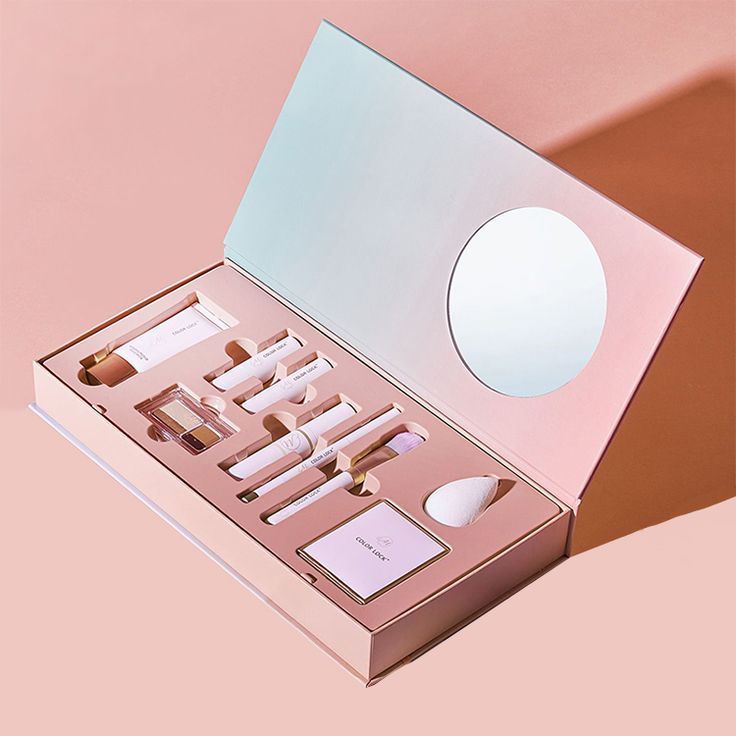
The way a box feels in hand, its weight, and its finish instantly communicate quality and your brand’s market position. A matte-laminated paperboard box might whisper “artisanal charm,” while a glossy metal tin speaks of “premium heft.” Clear glass windows can suggest “purity.” The unboxing ritual itself is crucial – a smooth opening, a subtly embossed logo, and vibrant printing transform functional packaging into a memorable sensory journey that reinforces your brand’s values and encourages those coveted social shares.
Why is Sustainability a Non-Negotiable in Choosing Makeup Packaging Materials?
Today’s consumers are increasingly driven by environmental responsibility; in fact, 74 percent are more likely to choose brands that demonstrate eco-friendliness. Opting for recyclable materials, incorporating Post-Consumer Recycled (PCR) content, or choosing compostable options significantly reduces landfill waste and carbon footprints. This also keeps you ahead of evolving regulations, like the EU’s Packaging and Packaging Waste Regulation. Prioritizing green materials isn’t just good for the planet; it’s a powerful way to communicate your brand’s ethics and build lasting loyalty with eco-conscious shoppers.
The Usual Suspects: Common Materials in Makeup Packaging Boxes
What Are the Strengths and Uses of Paper and Cardboard in Cosmetic Boxes?
Paperboard and cardboard are perennial favorites for secondary cosmetic packaging, offering a winning combination of excellent printability, recyclability, and cost-effectiveness. Folding cartons provide lightweight yet robust protection, rigid boxes deliver that sought-after premium unboxing feel, and corrugated stock adds crucial crush resistance for shipping. Brands often play with uncoated or coated finishes to strike the perfect balance between visual appeal and crisp print clarity.
These versatile options allow brands to fine-tune structural integrity, print customization, and eco-credentials, seamlessly leading us into the role plastics play, particularly in primary packaging.
Which Plastics Are Common in Makeup Packaging, and What Makes Them Stand Out?
When it comes to cosmetic containers, PET, HDPE, PP, PMMA, and ABS are the heavy hitters, prized for their clarity, chemical resilience, and sheer molding versatility. PET shines with its exceptional transparency, perfect for showcasing serums. HDPE offers rugged toughness for lotion bottles and tubes. PP demonstrates excellent heat and chemical resistance, ideal for jar lids. PMMA provides a glass-like sheen for compacts, and ABS lends structural integrity to components like caps.
This overview highlights how carefully chosen plastics balance essential function with desirable aesthetics, setting the stage for the luxurious appeal of glass.
How Does Glass Packaging Elevate Luxury Makeup Products?
Glass jars and bottles exude an undeniable sense of luxury, thanks to their satisfying weight, smooth finish, and inherent inertness. Their purity ensures no chemical interaction with delicate serums and creams, preserving the integrity of the fragrance and formula. The potential for infinite recyclability adds a premium sustainability narrative, while tinted or frosted glass variants not only protect light-sensitive ingredients but also reinforce an upscale brand image.
What Are the Key Advantages of Using Metal Packaging in Cosmetics?
Aluminum and stainless steel offer a compelling blend of durability, impressive corrosion resistance, and a sleek, modern aesthetic. Metal tubes are perfect for lip balms, maintaining product shape and integrity. Compacts made from metal resist dents and wear, and anodized finishes allow for vibrant, controlled color application. Both recyclable and surprisingly lightweight, these materials merge a premium tactile experience with practical strength, paving the way for innovative refillable and reusable solutions in sustainable branding.
Exploring Sustainable and Eco-Friendly Materials for Your Makeup Packaging
Get a Custom Makeup Box Quote from LansBox
How Are Post-Consumer Recycled (PCR) Materials Integrated into Cosmetic Packaging?
Post-Consumer Recycled (PCR) materials – whether plastic, glass, or paperboard – breathe new life into reclaimed content, significantly reducing the demand for virgin resources by up to 75 percent. Brands can specify the percentage of PCR content, typically ranging from 30 to 100 percent, to strike a balance between cost and environmental impact. Embracing PCR not only helps meet regulatory goals but also strongly resonates with consumers actively seeking products designed with circularity in mind.
What Biodegradable and Compostable Materials Are Ideal for Makeup Boxes?
Materials like plant-based PLA, bamboo fiber, and cornstarch composites offer a responsible end-of-life pathway, breaking down effectively under industrial composting conditions. PLA folding cartons can mimic the printability of traditional paperboard, bamboo rigid cases provide a beautiful natural texture, and cornstarch trays offer gentle cradling for delicate cosmetics. Brands committed to a truly circular approach often pair these compostable substrates with water-based inks for a complete cradle-to-cradle solution.
How Do Refillable and Reusable Packaging Systems Benefit Both Brands and Consumers?
Systems featuring refillable jars, clever magnetic palette inserts, and modular tube designs dramatically cut down on waste by allowing customers to easily replenish formulas within durable, attractive outer cases. These initiatives foster deeper customer engagement, encourage repeat purchases, and position brands as forward-thinking leaders in waste reduction. Furthermore, offering convenient refill pouches or cartridges often leads to lighter shipping weights and reduced costs, presenting compelling ecological and economic advantages.
The Latest Buzz: 2025 Trends in Makeup Packaging Materials and Design
How Are Minimalism and Quiet Luxury Redefining Makeup Packaging?
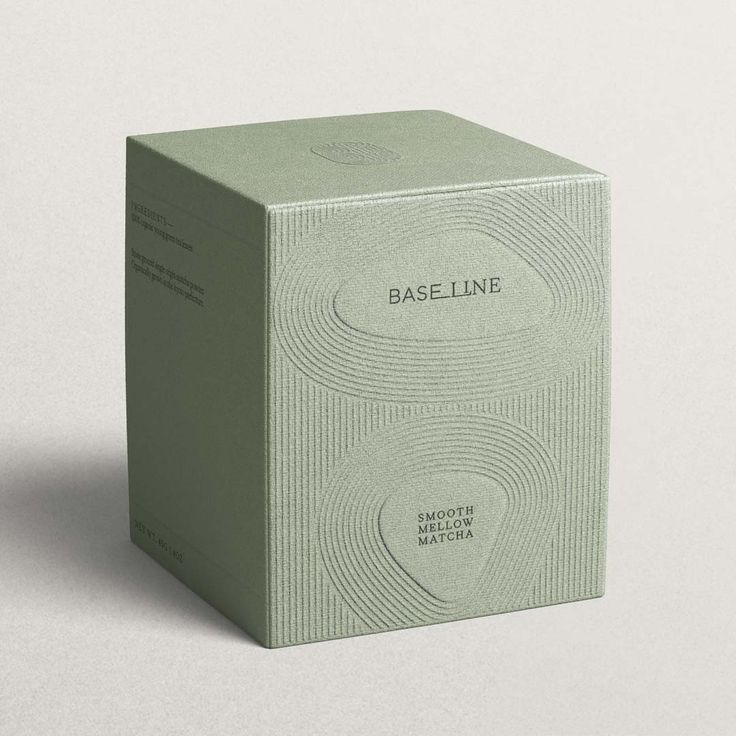
The “quiet luxury” aesthetic is characterized by clean lines, understated monochrome palettes, and subtle embossing, shifting the focus squarely onto the product’s inherent quality rather than overt decoration. This trend often involves reduced material layers, natural uncoated finishes, and neutral color schemes to convey sophistication. Tactile details, such as soft-touch coatings or finely engraved logos, communicate premium refinement without unnecessary embellishment.
What Role Does Smart Packaging Play in Today’s Cosmetic Boxes?
The integration of NFC chips, QR codes, and augmented reality (AR) links transforms packaging from a static container into an interactive brand touchpoint. A simple scan can unlock detailed ingredient transparency, provide access to exclusive loyalty programs, or even facilitate direct refill ordering via consumers’ smartphones. This digital layer enhances traceability, enriches brand storytelling, and elevates the unboxing experience into a dynamic, engaging encounter.
How Does Personalization Influence Choices in Makeup Packaging Materials?
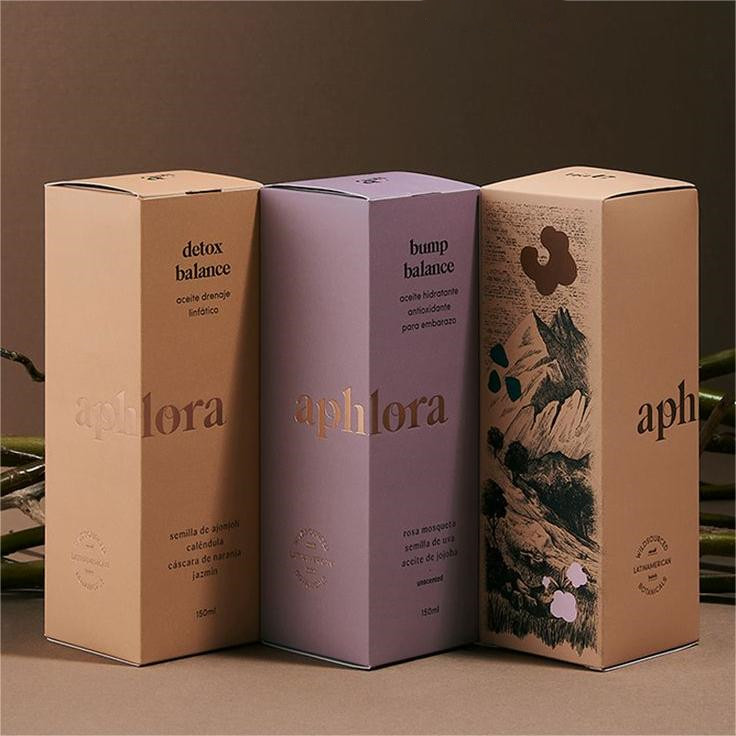
Techniques like custom printing, spot UV, embossing, and foiling empower brands to tailor packaging for specific regions, create unique limited-edition runs, or even personalize boxes with individual customer names. Substrates like soft-touch paperboard or shimmering metallic laminated cardboard amplify these effects, enabling on-demand personalization that forges deeper emotional connections and helps products stand out in a highly competitive market.
How LansBox Crafts Custom Makeup Packaging Boxes with Diverse Materials
What Material Selections Does LansBox Provide for Bespoke Cosmetic Boxes?
LansBox’s Custom Printed Box Packaging service offers brands an extensive palette of material choices, including various paperboard grades (folding, rigid, corrugated), substrates enhanced with PCR content, innovative biodegradable composites, versatile plastics, and eye-catching metallized laminates. Clients have the flexibility to specify virgin or recycled content, select desired coatings and textures, and incorporate unique structural features to perfectly align with their protection, aesthetic, and sustainability objectives.
How Does LansBox Assist with Design, Printing, and Finishing for Makeup Packaging?
At LansBox, our expert design support ensures structural integrity and perfect brand alignment, from meticulous dieline reviews to seamless artwork optimization. We offer comprehensive full-color digital and offset printing capabilities, alongside sophisticated finishing techniques like embossing, debossing, matte or gloss lamination, soft-touch coatings, and foil stamping to create truly memorable tactile experiences. Our commitment to fast turnarounds and flexible order quantities empowers brands to efficiently test prototypes or scale up seasonal launches with confidence.
Why Should You Partner with LansBox for Your Makeup Packaging Material Needs?
Teaming up with LansBox means gaining access to tailored guidance on optimal substrate selection, a curated range of eco-friendly and PCR options, and rigorous quality control measures designed to safeguard even the most delicate formulations. Brands benefit from streamlined production schedules, transparent material sourcing practices, and collaborative design expertise that transforms packaging visions into reality while powerfully reinforcing brand values.
Frequently Asked Questions About Makeup Packaging Box Materials
Get a Custom Makeup Box Quote from LansBox
What Are the Most Robust Materials for Makeup Packaging Boxes?
For sheer durability, aluminum, stainless steel, and corrugated cardboard stand out. Metals offer exceptional resistance to impact and corrosion, while the layered structure of corrugated board excels at absorbing shocks. High-density rigid paperboard also provides significant sturdiness, making it ideal for premium, reusable gift-style boxes.
Which Makeup Packaging Materials Are the Top Choice for Eco-Conscious Brands?
Paperboard with a high percentage of PCR content, innovative biodegradable PLA composites, and post-consumer recycled PET are leading the charge in green credentials. These materials pair beautifully with eco-friendly water-based inks and help brands avoid virgin plastics, ensuring their packaging aligns perfectly with their sustainability commitments.
How Do Different Materials Impact the Overall Cost of Makeup Packaging?
Basic folding cartons made from uncoated paperboard typically represent the most budget-friendly option. Conversely, rigid boxes, metal tins, and glass jars generally come with higher base costs, influenced by material weight, the complexity of finishing processes, and associated shipping expenses. The key is balancing your budget with your brand’s desired positioning.
Can Makeup Packaging Boxes Be Fully Recycled or Biodegraded?
Mono-material boxes crafted from cardboard or glass are widely accepted in standard curbside recycling programs. Certified compostable options, such as those made from PLA or bamboo, will break down effectively in industrial composting facilities. For mixed-material laminates, specialized recycling streams or thoughtful “design for disassembly” approaches may be necessary to achieve true circularity.
LansBox’s mastery of material selection and custom printing ensures that every cosmetic box we create strikes the perfect chord between form, function, and environmental responsibility. By partnering with LansBox, brands unlock access to sustainable substrates, innovative interactive design possibilities, and efficient production methods. As the cosmetic packaging landscape continues its rapid evolution into 2025, the synergy between material innovation and core brand values will undoubtedly remain the driving force behind consumer preference and regulatory compliance.
 EN
EN DE
DE FR
FR PL
PL PT
PT ES
ES JA
JA RU
RU AR
AR IT
IT NL
NL TR
TR KO
KO