

Your packaging is the first handshake with a customer, shaping their perception, elevating the unboxing thrill, and inspiring them to return. In today’s vibrant beauty arena, creating bespoke makeup packaging demands a clear strategy: solidify your brand’s essence, understand your ideal customer, choose the right materials, design for both beauty and function, and team up with a reliable manufacturer. This guide will lead you through seven crucial stages—from the creative process and material selection to design strategies, manufacturing insights, emerging trends, product-specific solutions, and eco-conscious innovations—so you can launch packaging that not only captivates but truly embodies your brand’s unique spirit. Discover how e-commerce and D2C brands leverage LansBox’s custom printed box service for instant quotes, swift turnarounds, and significant cost savings on their cosmetic packaging.
Key Steps to Designing Custom Makeup Packaging
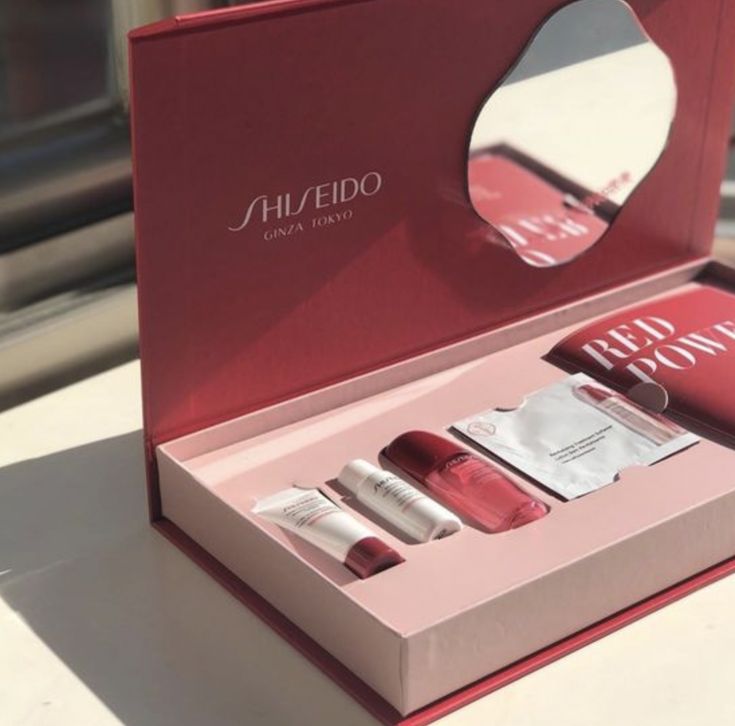
Bringing custom makeup packaging to life involves a deliberate sequence: defining a compelling brand identity, deeply understanding your target audience, harmonizing design principles, selecting appropriate materials, and establishing a manufacturing partnership for flawless execution. By meticulously following these steps, brands ensure a seamless transition from concept to shelf-ready boxes, building consumer trust at every interaction.
Get a Custom Makeup Box Quote from LansBox
Defining Your Brand’s Identity for Makeup Packaging
Your brand identity sets the stage for your packaging’s look and feel, communicating your core values, visual language, and the emotional connection you aim to forge. Begin by articulating your brand’s mission and unique selling propositions, then translate your brand’s personality into a carefully chosen palette, typography, and logo placement. For instance, a brand focused on natural beauty might opt for muted tones and clean fonts to convey purity, while a high-end luxury line could embrace metallic accents and embossed textures to signal opulence.
Identifying Your Target Audience for Cosmetic Packaging
Understanding your ideal customer means mapping their demographics, psychographics, and purchasing habits to specific packaging preferences. Consider factors like age, lifestyle, and preferred shopping channels—a social media-savvy Gen Z audience might gravitate towards bold graphics and influencer collaborations, whereas more established consumers might value recyclable materials and clear ingredient information. This insight will guide your choices for packaging size, messaging tone, and finishing touches that truly resonate.
Crucial Design Considerations for Makeup Packaging
Exceptional packaging design masterfully balances visual impact, brand consistency, user-friendliness, and the overall unboxing experience. Prioritize clear product information, robust protection for delicate formulas, and tactile finishes that invite engagement. Think about how dispensing mechanisms or magnetic closures can enhance usability while reinforcing your brand’s narrative. These design decisions ensure your packaging not only looks stunning in photos but also performs reliably throughout its journey.
Selecting the Ideal Materials for Makeup Packaging
The choice of materials profoundly influences packaging durability, sustainability, and cost-effectiveness. Options span from sturdy paperboard for outer cartons to eco-friendly plastics or elegant glass for inner containers. Evaluate each material’s strength, printability, and recyclability to align with your product’s weight and your brand’s values. For example, paperboard with a high percentage of recycled content makes a strong environmental statement, while glass jars exude luxury but increase shipping weight and the risk of breakage.
Partnering with Manufacturers for Your Custom Makeup Boxes
Collaborating with a manufacturer involves aligning on quality benchmarks, minimum order quantities, and production timelines. Seek a partner who offers instant quotes, rapid turnaround times, and comprehensive support from design approval to final delivery. LansBox excels in this role, providing bespoke cosmetic box solutions with accessible MOQs, streamlined supply chain management, and rigorous quality control, ensuring your brand’s vision is realized in consistent, on-brand packaging.
Choosing the Finest Materials for Makeup Packaging
Selecting the perfect materials for your makeup packaging is about striking the right balance between visual appeal, product protection, budget, and environmental responsibility. Thoughtfully chosen materials not only align with your brand’s ethos but also effectively shield your formulations from light, moisture, and contamination.
Common Materials in Cosmetic Packaging
The cosmetic packaging landscape features glass for jars and droppers, a variety of plastics (PET, HDPE, PCR) for tubes and pump bottles, aluminum for lipstick casings and compacts, and paperboard for outer boxes. Each material provides a unique combination of barrier properties, print quality, and weight, making it crucial to match the container type to the product’s viscosity, shelf-life requirements, and desired aesthetic.
Cosmetic Packaging: European Regulatory Framework and Sustainability Considerations
Secondary cosmetic packaging can integrate elements such as cushioning materials, seals, and labeling to further guarantee product safety and adherence to regulatory standards.
Cosmetic packaging: European regulatory aspects and sustainability, G Mura, 2024
Cosmetic Packaging: European Regulatory Framework and Sustainability Considerations
Secondary cosmetic packaging can integrate elements such as cushioning materials, seals, and labeling to further guarantee product safety and adherence to regulatory standards.
Cosmetic packaging: European regulatory aspects and sustainability, G Mura, 2024
The Importance of Sustainable Materials in Makeup Packaging
Sustainable materials significantly reduce your environmental impact, meet growing consumer demand for eco-friendly options, and align with evolving regulations, such as the EU Packaging and Waste Regulation taking effect in February 2025. Utilizing post-consumer recycled (PCR) plastics, biodegradable paperboard, and refillable packaging systems not only cuts down on carbon emissions but also enhances your brand’s reputation among eco-conscious shoppers.
How Material Choices Influence Packaging Durability and Expense
The resilience of your chosen materials directly affects product safety, shelf life, and transit integrity, while per-unit costs are influenced by raw material availability and manufacturing complexity. For instance, glass offers superior durability but incurs higher shipping expenses and requires careful handling. Conversely, paperboard is cost-effective and light but may necessitate inner liners for products sensitive to moisture.
Cutting-Edge Trends in Eco-Friendly Makeup Packaging Materials
Innovations poised for 2025 include mono-material laminates that simplify the recycling process, bioplastics derived from sugarcane to lessen reliance on fossil fuels, and compostable cellulose wraps. Brands are also exploring the use of up to 90 percent PCR content in containers, implementing convenient refill-and-return programs, and adopting minimalist designs to reduce material consumption without compromising brand impact.
Designing Makeup Packaging That Captivates and Functions
Crafting makeup packaging that is both visually stunning and highly functional involves merging aesthetic appeal with practical features that enhance the user experience and authentically reflect your brand’s personality. Thoughtful design elements and user-centric touches transform a simple container into a memorable brand ambassador.
Introducing key visual and tactile elements helps teams streamline the design process and achieve remarkable results.
Employ a harmonious color palette that resonates with your brand’s psychology and product positioning.
Choose typography that strikes a perfect balance between readability and brand character.
Integrate distinctive graphics or patterns that communicate product benefits effectively.
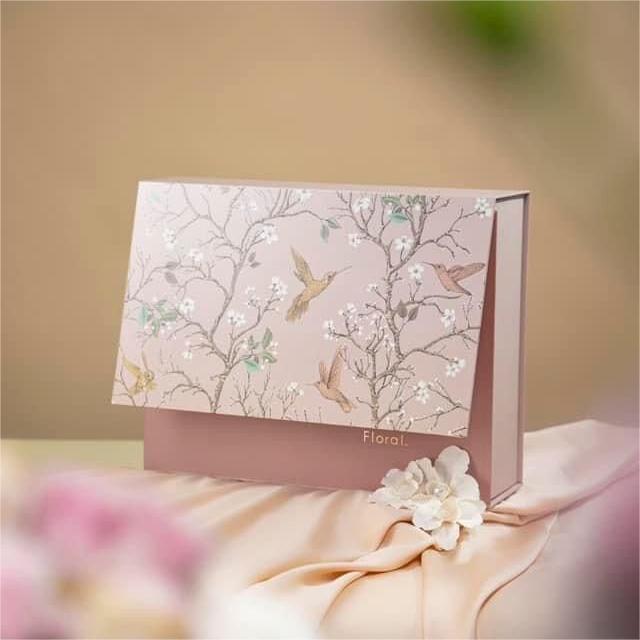
Utilize special finishes—like gloss, soft-touch, or foil stamping—to enhance a sense of luxury or playfulness.
Get a Custom Makeup Box Quote from LansBox
Visual Elements That Elevate Cosmetic Packaging Appeal
Color psychology, striking typography, and engaging imagery act as powerful visual cues that influence purchasing decisions. A soft gradient in pastel tones can evoke a sense of gentleness in skincare packaging, while bold, high-contrast black and gold fonts convey sophistication for premium foundations. Strategic use of embossing or spot UV finishes can highlight your logo and draw the consumer’s eye.
Incorporating Functional Features into Makeup Packaging
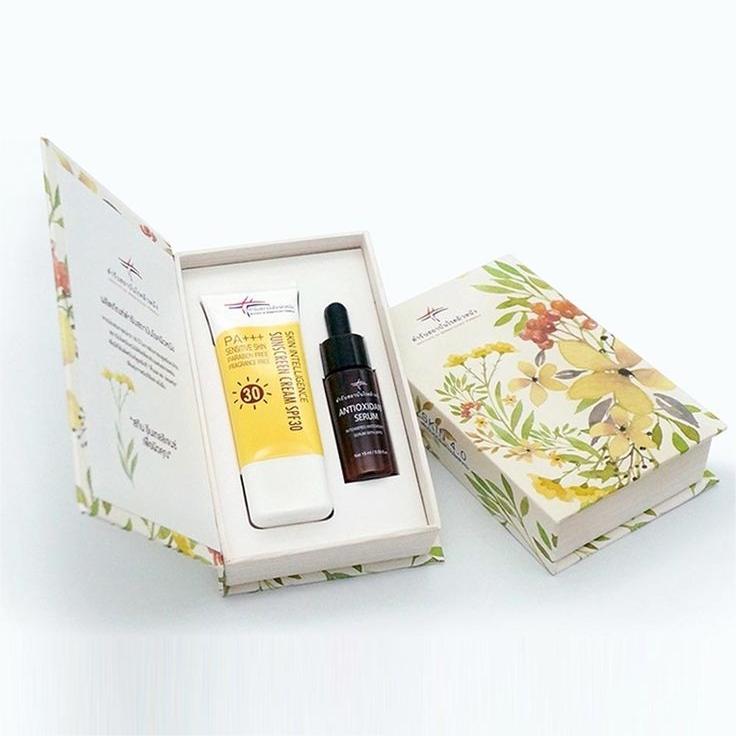
Functional elements such as airless pumps, secure twist-open lids, or integrated mirrors significantly improve product usability and maintain formula integrity. Protective inserts and custom foam trays safeguard delicate glass components during shipping. Features like magnetic closures or elegant ribbon pulls can add a delightful tactile experience, enhancing the overall unboxing moment.
How Customization and Personalization Enhance Your Packaging
Personalized touches, such as monograms or exclusive limited-edition prints, foster deeper emotional connections with customers and encourage social sharing. Variable printing capabilities allow for batch-specific messaging, QR codes that link to product stories, or even personalized names on the packaging, reinforcing a sense of exclusivity and strengthening customer loyalty.
Best Practices for Creating a Luxurious Unboxing Experience
A truly luxurious unboxing experience combines a precise fit for the box, premium tissue paper, custom-molded foam inserts, and elegantly designed thank-you cards. Special touches like magnetic closures or subtle silver foil accents on inner flaps create moments of delight. Consistent sensory branding—whether through scratch-and-sniff finishes or textured foil—solidifies the perception of premium quality from the very first reveal.
Manufacturing and Sourcing Processes for Custom Makeup Boxes
The manufacturing of custom makeup boxes involves transforming digital designs into tangible packaging through a coordinated process of printing, finishing, assembly, and rigorous quality control. This meticulous workflow ensures that your creative artwork becomes a durable, on-brand container that not only protects your products but also captivates your consumers.
The Makeup Box Manufacturing Workflow
Production commences with precise dieline templates and digital proofs, followed by offset or digital printing to apply your brand’s graphics. Post-printing embellishments such as lamination, hot-foil stamping, or embossing add both durability and visual appeal. Die-cutting shapes the box components, and automated gluing or folding machines assemble the final structures. Finally, quality inspectors meticulously verify color accuracy, structural integrity, and print registration.
Low MOQ Options for Emerging and D2C Brands
Low minimum order quantities (MOQs) empower emerging brands to test new designs without committing to large inventories. By consolidating orders into production runs or opting for standard box dimensions with custom graphics, smaller businesses can access high-quality printing services even at modest volumes. LansBox’s offerings include MOQs as low as 100 boxes, enabling budget-conscious brands to scale their packaging needs gradually.
How LansBox Supports Custom Makeup Packaging Production
LansBox serves as a comprehensive partner, offering instant quotes for cosmetic boxes, rapid turnaround times, and end-to-end supply chain management, including warehousing and drop shipping. Their tailored service simplifies the entire process, from proof approval and sample creation to bulk printing and final delivery, resulting in packaging cost reductions of approximately 30 percent for over 200 e-commerce brands.
Available Printing and Finishing Techniques for Cosmetic Boxes
Popular options include foil stamping for striking metallic accents, embossing or debossing for tactile logos, spot UV for glossy highlights, and soft-touch lamination for a velvety feel. Screen printing delivers exceptionally vibrant spot colors, while combined emboss-foil techniques can create intricate patterned effects. These techniques enrich your brand’s narrative and elevate the perceived value of your products.
Key Cosmetic Packaging Trends for 2025 and Beyond
The cosmetic packaging trends for 2025 are characterized by a strong emphasis on sustainability, smart technology integration, minimalist luxury, and innovative functionality. Brands that embrace these shifts will effectively capture consumer attention and meet increasingly stringent environmental standards.
How Sustainability is Revolutionizing Makeup Packaging Trends
Sustainability is now a primary driver in packaging design and material selection, encompassing everything from mono-material structures that simplify recycling to refill-and-reuse programs that champion circular economy principles. Brands are actively reducing ink coverage, optimizing box sizes, and adopting compostable liners to minimize waste throughout the product lifecycle.
The Role of Smart Packaging in Cosmetic Boxes
Smart packaging incorporates elements like QR codes, NFC chips, or AR triggers to provide product authentication, detailed usage instructions, and transparent information on ingredient sourcing. This technology enhances transparency, enriches brand storytelling, and delivers interactive experiences that foster deeper consumer engagement.
Evolving Customization and Personalization in Makeup Packaging
Advancements in digital printing and variable data technologies are enabling brands to offer exclusive limited-edition collections, personalized messaging, and even packaging featuring user-generated content. These tailored experiences forge stronger emotional connections and drive valuable word-of-mouth promotion across social media channels.
Emerging Functional Features in Cosmetic Packaging
Innovative features such as advanced airless dispensing systems, convenient refillable cartridges, ergonomically designed applicator shapes, and efficient gravity-fed reservoirs are enhancing product preservation and ease of use. These functional breakthroughs directly address consumer demands for convenience, hygiene, and sustainable consumption habits.
Tailoring Packaging for Specific Makeup Products
Different product formats necessitate customized packaging approaches that ensure optimal protection, brand consistency, and user convenience. From slender lip gloss tubes to substantial palette compacts, each product type influences material selection, structural design, and finishing options.
Ideal Packaging Solutions for Lip Gloss and Eyelash Boxes
Lip gloss and eyelash boxes commonly feature slim paperboard sleeves with precisely cut windows to showcase the product’s color and applicator style. Spot UV accents and metallic foil on logos enhance shelf appeal, while an internal tuck-flap design securely holds tubes or lash trays during transit.
Designing Effective Cream and Foundation Packaging
Packaging for creams and foundations requires airtight seals and robust materials—such as glass or PCR-based plastics—to maintain formula integrity. Frosted glass or translucent plastics can effectively communicate product texture, and pump dispensers or twist closures provide hygienic application and precise portion control.
Optimal Packaging for Perfume and Palette Boxes
Perfume boxes benefit from rigid paperboard construction with reinforced corners, magnetic closures, and luxurious velvet-lined interiors for a truly premium reveal. Palette boxes for eyeshadow or contour kits often include custom-fit foam inserts and hinged designs that can incorporate mirrors, blending functionality with an element of luxury.
Customizing Packaging for Tubes, Jars, and Bottles
Tubular packaging is well-suited for laminated paperboard or aluminum constructions, often featuring screw caps or roll-on mechanisms. Jars require compatible inserts and liners to prevent leakage, while bottles—whether glass or HDPE—need secure dropper or pump closures and protective outer boxes to prevent damage during transit.
Implementing Sustainable and Eco-Friendly Makeup Packaging Solutions
Embracing eco-friendly packaging involves selecting renewable or recycled materials, designing for reuse or recyclability, and ensuring compliance with evolving environmental regulations. This strategic approach not only minimizes your environmental footprint but also strongly resonates with increasingly conscious consumers.
Get a Custom Makeup Box Quote from LansBox
Advantages of Using PCR and Biodegradable Materials
Post-consumer recycled (PCR) plastics and biodegradable paperboard reduce reliance on virgin resources, divert waste from landfills, and significantly lower carbon emissions. Brands that can credibly report 50 percent or higher recycled content can enhance their sustainability credentials, building greater consumer trust.
How Refillable and Minimal Waste Packaging Systems Operate
Refillable systems utilize durable outer casings—like metal compacts or robust jars—that customers can easily refill, often via convenient pouches. Minimal waste designs prioritize mono-materials for straightforward recycling and eliminate non-essential elements such as plastic overwraps or excessive internal packaging.
Regulatory Requirements Impacting Sustainable Packaging
Regulations such as the EU Packaging and Waste Regulation establish minimum thresholds for recycled content, mandate specific material labeling, and set standards for end-of-life recyclability. Brands must meticulously track their material origins and demonstrate compliance through transparent, documented supply chains.
How LansBox Assists Brands in Transitioning to Eco-Friendly Packaging
LansBox provides a range of eco-conscious packaging options—including high-PCR paperboard, compostable wraps, and streamlined minimalist box designs—backed by expert knowledge of regulatory requirements. Their integrated service simplifies the entire process, from sampling and production to fulfillment, empowering brands to adopt greener packaging solutions with complete confidence.
Creating exceptional custom makeup packaging requires a comprehensive integration of brand storytelling, deep audience understanding, material expertise, refined design, and dependable manufacturing partnerships. By following this structured guide, beauty brands can successfully launch packaging solutions that not only protect products and enchant customers but also authentically reflect their core values. With LansBox’s specialized custom printed box packaging service, you gain a dedicated partner committed to swift turnarounds, cost efficiencies, and complete support for all your cosmetic packaging needs. Connect with us today to explore how custom boxes can elevate your makeup line and leave an unforgettable impression with every unboxing.
 EN
EN DE
DE FR
FR PL
PL PT
PT ES
ES JA
JA RU
RU AR
AR IT
IT NL
NL TR
TR KO
KO