

Your skincare packaging is more than just a container; it’s the first handshake with your customer, a guardian of precious formulas, and a silent ambassador for your brand’s values. It’s where innovation meets responsibility, balancing the delicate needs of potent ingredients with the allure of a memorable unboxing experience, all while navigating the realities of budget and production scale. This guide is your compass, designed for e-commerce and D2C small to medium-sized businesses, to navigate every facet of custom packaging—from the foundational choices of materials and container styles to the art of branding, the imperative of sustainability, the intricacies of manufacturing, the tangible business advantages, and the pulse of industry evolution. Let’s demystify the world of custom printed boxes and empower your brand.
Inside this comprehensive guide, we’ll explore:
- The essential materials that safeguard your formulas and champion eco-friendly practices.
- A spectrum of container types, from sophisticated airless pumps to practical squeeze tubes.
- The design elements that truly capture your brand’s essence and captivate your audience.
- Cutting-edge sustainable packaging innovations that minimize environmental impact.
- A clear, step-by-step look at the custom box manufacturing journey.
- The powerful ways bespoke packaging elevates product integrity, marketing prowess, and sales figures.
- The latest market currents and future forecasts shaping the landscape of skincare packaging.
What Are the Core Materials Defining Skincare Packaging?
The primary materials chosen for skincare packaging are pivotal, dictating everything from how well they shield the product and how appealing they look, to their environmental story. These choices fundamentally influence product longevity, how your brand message is perceived, and the ease with which the packaging can be recycled. By understanding the unique properties and potential trade-offs of each material, brands can make informed decisions that perfectly align with their product’s requirements and their commitment to sustainability.
Get a Custom Skincare Box Quote from LansBox
Choosing the Right Glass Packaging for a Touch of Luxury and Eco-Consciousness
Glass stands out for its exceptional ability to create an inert barrier against oxygen and damaging UV rays, while simultaneously projecting an image of premium quality and sophistication.
- Amber glass acts as a natural shield, blocking UV light to preserve the integrity of light-sensitive serums and precious oils.
- Frosted glass offers a soft, diffused aesthetic, enhancing the perception of a high-end, luxurious product.
- Recycled glass demonstrates a commitment to sustainability by incorporating post-consumer materials, significantly reducing the carbon footprint.
Each type of glass not only bolsters product protection but also communicates a sense of luxury through its substantial feel and refined finish, fostering customer trust and elevating perceived value.
How Do Plastics Like PET, PP, HDPE, and PCR Meet Skincare Packaging Demands?
Plastics offer a compelling blend of versatility, resilience against impact, and cost-effectiveness:
- PET (Polyethylene Terephthalate) is prized for its crystal-clear appearance, excellent moisture barrier properties, and recyclability.
- PP (Polypropylene) boasts superior resistance to heat and chemicals, making it a go-to for durable jars and functional pumps.
- HDPE (High-Density Polyethylene) provides outstanding moisture resistance and robust durability for a variety of applications.
- PCR (Post-Consumer Recycled) Plastics significantly lessen environmental impact by utilizing recycled materials as feedstock.
These versatile polymers not only protect delicate formulations but also provide a dynamic canvas for brand differentiation through custom colors, unique shapes, and sophisticated printing techniques.
What Are the Advantages of Paper and Cardboard for Bespoke Skincare Boxes?
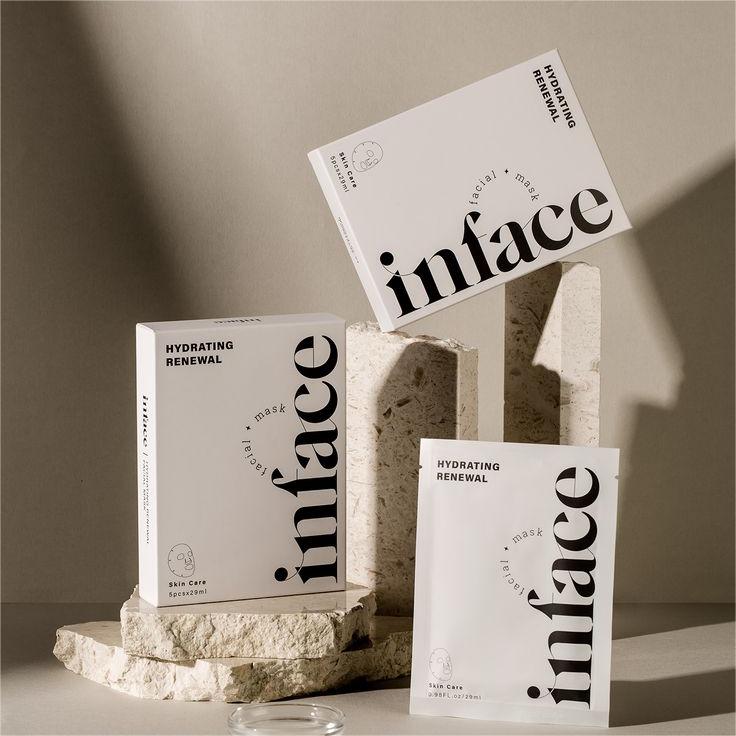
Paperboard boxes deliver lightweight yet effective protection, coupled with virtually limitless possibilities for printing and customization.
- They elevate the unboxing experience through premium finishes like embossing, foil stamping, and spot UV effects.
- They align with recycling initiatives when left uncoated or printed with eco-friendly, water-based inks.
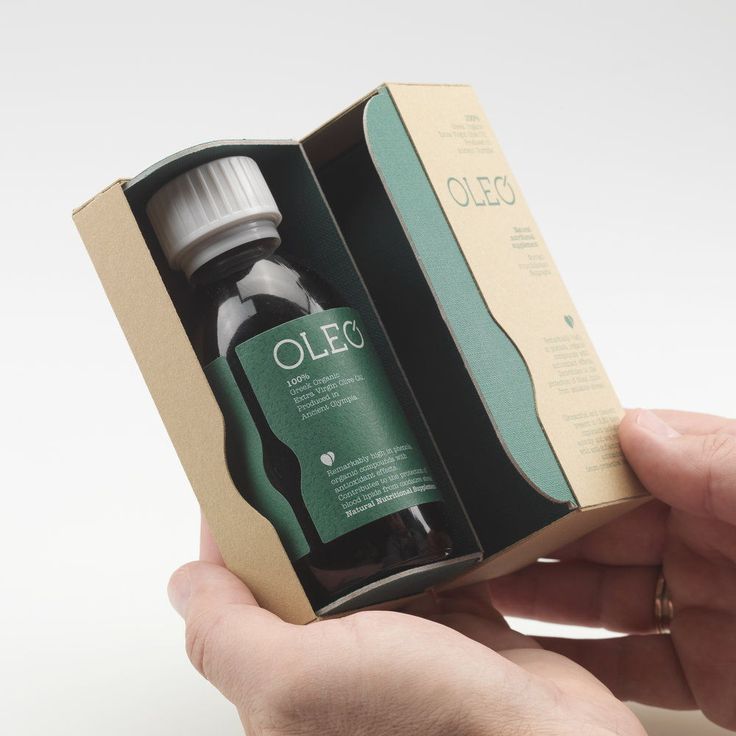
- They offer remarkable structural flexibility, allowing for intricate die-cuts, custom inserts, and multi-panel designs that tell a compelling brand story.
By creatively integrating brand narratives across every surface, custom cosmetic boxes extend the product’s appeal far beyond the primary container.
How Do Metal and Aluminum Packaging Enhance Protection and Convey Premium Quality?
Metal tins and aluminum tubes provide robust barrier protection and a distinctly refined aesthetic:
- Aluminum tubes offer superior protection against light and oxygen, making them ideal for rich creams and therapeutic ointments.
- Metal tins provide a satisfying tactile weight and serve as elegant, reusable containers for balms and solid skincare bars.
Their luxurious textures and inherent recyclability significantly enhance brand perception while diligently safeguarding sensitive emulsions.
What Innovative Sustainable Materials Are Emerging in the Skincare Packaging Scene?
Forward-thinking brands are actively exploring and adopting:
- Bamboo composites, offering rapid renewability and the potential for compostable end-of-life solutions.
- Molded pulp technology, which skillfully forms rigid, protective shapes from recycled paper fibers.
- Biodegradable polymers, such as PLA, designed to break down effectively under industrial composting conditions.
These pioneering materials clearly signal a brand’s commitment to environmental leadership and resonate deeply with the increasingly conscious consumer.
A Comparative Look at Packaging Materials
Exploring the Diverse Range of Skincare Packaging Formats
Get a Custom Skincare Box Quote from LansBox
How Do Airless Pump Bottles Maintain Skincare Product Integrity?
Airless pump bottles ingeniously prevent the intrusion of air and microbes by creating a vacuum seal. As the product is dispensed, a mechanism draws the contents upward, effectively preserving sensitive serums and extending shelf life. This design minimizes the need for aggressive preservatives and ensures the full potency of active ingredients is maintained, which is crucial for high-performance skincare.
What Are the Design and Functional Advantages of Custom Jars for Creams and Balms?
Custom jars offer an unobstructed view of luxurious textures and feature wide openings for effortless product application. Their substantial walls and decorative embellishments—like matte lacquers or gleaming metallic accents—reinforce a premium brand image and enhance user ergonomics, making them perfect for creams, balms, and masks.
Why Are Squeeze Tubes a Popular Choice for Lotions and Gels?
Squeeze tubes provide a convenient, portable solution with precise dosage control. Their multi-layered barriers effectively prevent contamination, while custom-designed nozzles and user-friendly flip-top caps ensure accurate dispensing for everyday lotions and gels.
How Do Dropper Bottles Facilitate Precise Application of Serums and Oils?
Dropper bottles, typically crafted from glass or PET, are equipped with calibrated pipettes, allowing consumers to dispense exact single drops for targeted application. This precision is ideal for potent, high-concentration actives, minimizing waste and visually demonstrating the product’s efficacy.
What Role Does Secondary Packaging, Such As Custom Boxes, Play in Skincare Branding?
Secondary boxes act as a vital canvas for brand storytelling, offering an additional layer of product protection and marketing real estate. They:
- Amplify brand identity through strategic use of color psychology and distinctive typography.
- Can house informative inserts detailing usage instructions and key ingredient benefits.
- Elevate the unboxing narrative, encouraging social sharing and fostering customer loyalty.
Thoughtfully designed cartons create a deeper emotional connection with consumers, extending the brand experience beyond the primary product container.
How Do Brands Infuse Skincare Packaging with Their Unique Identity?
How Does Color Psychology Shape Consumer Perceptions in Skincare Packaging?
Color is a powerful communicator of emotion and promise:
- Soft, neutral palettes suggest natural, gentle formulations and purity.
- Subtle pastel hues evoke feelings of calm, relaxation, and spa-like indulgence.
- Rich, bold jewel tones convey potent, active-rich formulas and a sense of luxury.
Strategic color choices effectively set consumer expectations and build lasting brand recognition.
What Typography and Label Design Elements Are Crucial for Skincare Products?
Legible, clear fonts paired with elegantly minimalist labels strike a perfect balance between conveying essential information and maintaining aesthetic appeal. A well-defined typographic hierarchy ensures that the product name, key ingredients, and usage instructions are easily identifiable, building user confidence and ensuring regulatory compliance.
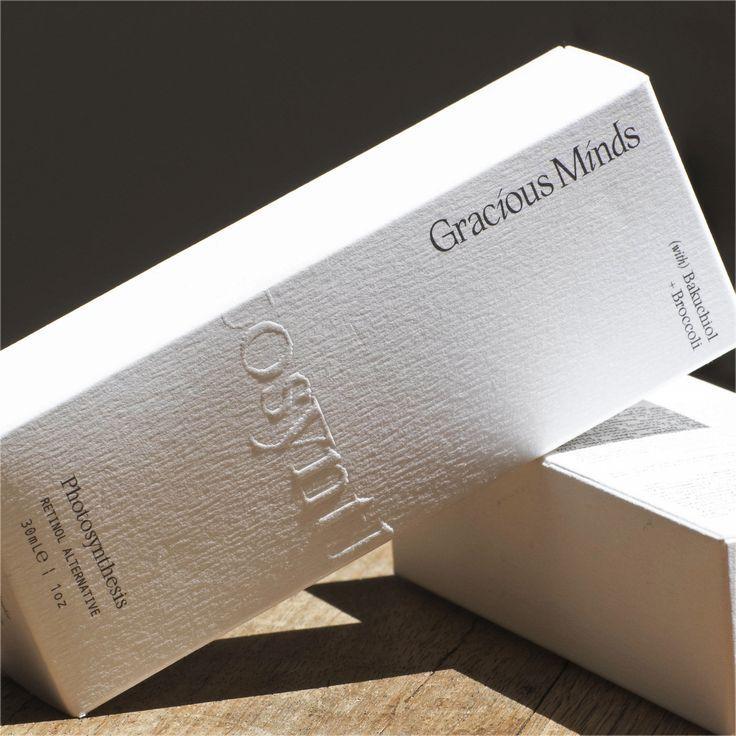
How Do Finishes Like Foil Stamping, Embossing, and Spot UV Elevate Packaging?
Sophisticated embellishments such as metallic foil accents, tactilely rich embossing, and high-gloss spot UV coatings add captivating contrast and visual depth. These techniques communicate a sense of luxury and meticulous attention to detail, effectively justifying premium pricing strategies.
What Are the Defining Characteristics of Minimalist Skincare Packaging Design?
Minimalist design focuses on stripping away the superfluous, emphasizing clean lines, simple forms, neutral color palettes, and restrained typography. This approach communicates transparency and strongly appeals to consumers who prioritize ingredient-focused, straightforward brands.
How Can Visual Storytelling on Packaging Enhance Brand Engagement?
Incorporating narrative elements—such as custom illustrations, informative icons, or maps detailing ingredient origins—immerses consumers in the brand’s unique story. By weaving tales of origin or eco-conscious journeys across the packaging, brands transform it into a compelling touchpoint for deeper engagement, encouraging social sharing and fostering brand advocacy.
What Sustainable Skincare Packaging Solutions Are Gaining Traction?
How Do Refillable and Reusable Packaging Systems Contribute to Waste Reduction?
Refillable systems, featuring designs like glass jars with replaceable inner pods or modular compacts, encourage repeated use. Consumers can easily swap out or purchase refills, often in minimalist pouches, drastically cutting down on single-use waste—sometimes by as much as 80 percent—while simultaneously fostering brand loyalty through convenient subscription models.
What Is the Significance of Post-Consumer Recycled (PCR) Materials in Skincare Packaging?
Integrating PCR plastics and paperboard into packaging closes the loop in the material lifecycle by diverting waste back into the production stream. Brands that utilize 30–50 percent PCR content often report substantial reductions in greenhouse gas emissions and a decreased reliance on virgin materials.
How Are Biodegradable and Compostable Packaging Options Reshaping the Industry?
Biodegradable polymers and molded fiber cartons offer innovative end-of-life solutions for brands committed to circular economy principles, as they are designed to break down under specific composting conditions. As certifications like EN 13432 become more widely recognized, compostable options are increasingly earning consumer trust.
Why Is Lightweight Packaging Crucial for Reducing Carbon Footprint?
Opting for lighter packaging formats—such as thin-walled tubes, streamlined dropper bottles, or compact flat-pack boxes—significantly reduces overall weight and, consequently, transportation emissions. Every gram saved amplifies the sustainability efforts across extensive global supply chains.
How Are Innovations in Waterless Beauty Packaging Transforming the Market?
The rise of waterless formats, including solid bars, melting balms, and powder-to-cream pods, dramatically cuts down on both product weight and the need for plastic packaging. These innovations align perfectly with the “naked” packaging trend and strongly appeal to consumers embracing a zero-waste lifestyle.
Understanding the Manufacturing Journey of Custom Skincare Packaging
- Concept & Design Brief: Defining the VisionBrands articulate their vision, specifying desired materials, dimensions, and finishing techniques, often in close collaboration with packaging experts.
- Structural Engineering & Prototyping: Bringing Designs to LifeDetailed die-cut mockups and 3D renders are created to validate the structural integrity, functionality of closures, and precise artwork alignment before initiating large-scale production.
- Printing & Decoration: Applying Brand AestheticsAdvanced printing methods like offset, digital, or flexographic printing are employed to apply vibrant colors, logos, and essential regulatory text, utilizing eco-conscious water-based or soy-based inks.
- Finishing Techniques: Adding Tactile and Visual AppealTechniques such as metallic foil stamping, raised embossing, glossy spot UV coatings, and soft-touch laminations are applied to bring the design to life and add a premium feel.
- Die-Cutting & Folding: Precision and EfficiencyHigh-precision die-cutting shapes the cartons accurately, while strategic creasing ensures efficient folding, minimizing material waste throughout the process.
- Quality Control & Compliance: Ensuring ExcellenceRigorous checks include incoming material inspections, precise print alignment verification, and essential barrier testing to guarantee adherence to FDA and international cosmetic regulations.
- Packaging & Logistics: Ready for DistributionThe completed boxes are meticulously bundled, shrink-wrapped, and prepared for shipment to assembly facilities or fulfillment centers. To receive a personalized quote or explore flexible low-MOQ options, request your custom packaging quote and pave the way for a seamless transition from concept to market.
How Does Custom Cosmetic Packaging Elevate Skincare Brands?
Get a Custom Skincare Box Quote from LansBox
How Does Custom Packaging Ensure the Protection of Skincare Products and Ingredients?
Precision-engineered tolerances, advanced barrier materials, and specialized closures work in concert to prevent contamination, oxidation, and microbial intrusion, thereby preserving the efficacy of vital active ingredients like Vitamin C and retinol.
In What Ways Does Packaging Communicate a Brand’s Identity and Core Values?
Branded cartons and containers serve as powerful visual cues, communicating a company’s ethos—whether it’s luxury, a commitment to sustainability, clinical efficacy, or a connection to natural heritage—through a harmonious blend of texture, color, and evocative graphic design.
How Can Custom Packaging Influence Consumer Purchase Decisions?
Distinctive shapes, unique finishes, and thoughtfully orchestrated unboxing experiences capture attention in today’s competitive marketplaces. Packaging that stands out in online searches and social media feeds is instrumental in driving click-through rates and encouraging repeat purchases.
What Is the Impact of Packaging on the Unboxing Experience?
The inclusion of high-quality inserts, delicate tissue wraps, and personalized thank-you notes transforms the act of unboxing into a memorable ritual. This enhances customer satisfaction, encourages social sharing, and generates valuable word-of-mouth marketing.
How Do E-commerce and D2C Brands Leverage Custom Packaging for Market Success?
Tailored shipping boxes featuring branded tape, personalized labels, and protective internal packaging not only minimize damage during transit but also significantly elevate perceived product value. This allows for premium pricing strategies while simultaneously nurturing direct, meaningful relationships with consumers.
What Are the Latest Trends and Market Insights Shaping Skincare Packaging?
What Are the Current Market Growth Projections for Skincare Packaging?
The global skincare packaging market is anticipated to experience robust growth, expanding at a Compound Annual Growth Rate (CAGR) of 4.6 percent. Projections indicate a rise from USD 17.3 billion in 2025 to USD 27.1 billion by 2035, fueled by the proliferation of D2C brands and a growing consumer demand for premium products.
Skincare Packaging Market Size, Share & Forecast 2025 to 2035
The global skincare packaging market is projected to grow from USD 17.3 billion in 2025 to USD 27.1 billion by 2035, exhibiting a Compound Annual Growth Rate (CAGR) of 4.6%. This growth is driven by factors such as increased consumer focus on personal care and a rising preference for sustainable cosmetic packaging solutions.
This research directly supports the article’s projections regarding the global skincare packaging market’s growth and valuation over the next decade.
How Are Sustainability and Eco-Friendly Packaging Driving Industry Transformation?
With over 60 percent of consumers citing sustainability as a key factor in their purchasing decisions, brands are increasingly adopting PCR plastics, innovative refillable systems, and compostable cartons to meet these critical eco-conscious demands.
New Demand Pushing Beauty Brands Towards Sustainable Packaging
A study revealed that 81% of beauty product consumers believe the cosmetic industry should actively reduce plastic packaging, with over 60% considering ‘clean beauty’ important. Nearly 50% of consumers expressed a willingness to pay more for products in sustainable packaging, highlighting the significant impact of sustainability credentials on purchasing decisions.
This citation verifies the article’s claim that over 60% of consumers consider sustainability a key purchase factor, influencing brands to adopt eco-responsible packaging.
What Role Do Smart Packaging and Digital Features Play in the Skincare Sector?
Smart packaging solutions, incorporating elements like QR codes, NFC tags, and interactive labels, offer enhanced digital experiences. These features provide consumers with detailed ingredient transparency, accessible usage tutorials, and personalized skincare recommendations, seamlessly merging the physical packaging with digital engagement.
How Are Regional Markets Like Asia Pacific and North America Influencing Packaging Trends?
Asia Pacific currently leads the market with a 42 percent share, showing a strong preference for lightweight tubes and minimal plastic usage. Meanwhile, North America is at the forefront of adopting premium glass options and innovative refillable formats, driven by stringent environmental regulations.
Cosmetic Packaging Market Size, Share & Trends Report, 2025-2032
The Asia Pacific region held the largest share of the global cosmetic packaging market, accounting for 42.09% in 2024. This dominance is attributed to factors such as rising disposable incomes, rapid urbanization, and the expansion of e-commerce in the region.
This research supports the article’s statement about Asia Pacific leading the market with a 42 percent market share, driven by regional dynamics.
These regional insights highlight how diverse market demands are shaping global packaging strategies, guiding brands to tailor their solutions effectively for each specific market.
Innovative skincare brands are masterfully blending material science, compelling design narratives, and a deep commitment to sustainable practices to create packaging that not only protects formulations but also authentically embodies the brand’s core ethos. By mastering the nuances of container formats, sophisticated finishing techniques, and pioneering eco-friendly innovations—and by partnering with seasoned manufacturers—brands can significantly accelerate their product launches, delight their customers, and carve out a distinct presence in a highly competitive market. Whether your brand requires the flexibility of low-MOQ options or strategic guidance on implementing refillable systems, expert support can transform packaging from a mere operational cost into a potent marketing asset. Ready to elevate your skincare packaging? Connect with us today and redefine your brand’s initial impression.
 EN
EN DE
DE FR
FR PL
PL PT
PT ES
ES JA
JA RU
RU AR
AR IT
IT NL
NL TR
TR KO
KO