

When it comes to branded advent calendar, design starts with 24 branded compartments using eco-friendly materials and your logo via interior and exterior printing. LansBox in Lanxi, Zhejiang handles production in 10 to 30 business days, accepting PSD, PDF, or JPEG files, boosting inventory turnover by 15%+.
Design begins with LansBox’s custom packaging boxes, submitting artwork as PSD, PDF, or JPEG files with interior and exterior printing across all box styles, then allow 10 to 30 business days production while flexible order sizes and eco-friendly materials strengthen brand impact for corporate gifting.
Branded corporate advent calendars require custom box structures, interior and exterior CMYK printing, and recyclable paper materials matched to a company’s logo and colors. LansBox designs, prints, and produces these packaging solutions with prototyping before mass production, lead times of 10 to 30 business days, and flexible order volumes suited to HR gifting programs.
What Do You Need Before Designing Your Calendar?
Four things: production location, file format, order quantity, and lead time. Corporate gift planners who skip any one of these risk a rushed, off-brand rollout during the busiest gifting season of the year. LansBox manufactures every custom advent calendar at its facility in Lanxi, Zhejiang, China, giving planning teams direct factory access rather than a layer of outsourced middlemen. That proximity to production matters when a brand marketing lead needs fast answers on materials or finishing options.
Design files come next. LansBox accepts PSD, PDF, and JPEG formats for paper box submissions, so an HR manager or design partner should have artwork finalized in one of those formats before reaching out. Files that arrive in other formats slow down the quote-to-sample process and eat into an already tight vacation timeline.

Get a Custom Advent Calendar Quote from LansBox
How many units should a company order?
Minimum order quantities are not fixed. They shift based on the specific product and how much customization a promotional advent calendar requires. A simple single-color print run behaves differently than a fully bespoke box with foil stamping or interior graphics. Planners should confirm quantity thresholds early in the conversation.
How much time should planners budget?
Production typically runs 10 to 30 business days, depending on complexity. Executive assistants coordinating a Q4 gifting campaign need to work backward from the delivery date and add buffer time.
Before requesting a quote, gift planners should confirm:
Final artwork saved as PSD, PDF, or JPEG
Estimated order volume and customization level
Target delivery date, with 10-30 business days factored in
Internal approval timeline for the branded advent calendar design
How Do You Plan Structure And Sustainable Materials?
Planning starts with a clear question: what does the calendar need to hold, and how many people need to receive one? A branded advent calendar works as a marketing tool first and a festive gift second. Structure decisions should follow that goal rather than tradition alone. Corporate gift planners who treat the calendar as a brand touchpoint — not a seasonal afterthought — get more mileage out of the same budget.
Structure and materials come together through a few concrete steps:
Define the recipient count and gift tier (executive clients, full staff, new hires) before selecting box size or door count.
Choose material weight and finish based on how the calendar ships — a mailer built for national distribution needs sturdier stock than a desk-side handout.
Confirm eco-friendly material options for structure, insert trays, and outer sleeve. LansBox builds every paper-based packaging solution to be 100% recyclable, which gives sustainability claims something to stand on besides good intentions.
Scale the order. Flexible order sizes let a single department’s gift batch and a company-wide rollout run off the same design file without redesigning from scratch.
Sustainable material choices aren’t just a compliance checkbox. Recyclable, eco-conscious packaging creates a positive brand association right as clients and employees head into a new year — a small signal that lands at a moment people are actually paying attention.
Does a promotional advent calendar need different materials than a gift-only version?
Not structurally, but a promotional advent calendar distributed at scale — trade shows, client mailers, employee-wide rollouts. Benefits from lighter, cost-efficient stock that still holds up in transit. A boutique custom advent calendar reserved for top-tier clients can carry heavier board and premium finishing since volume stays low. Material choice should follow distribution reality, not preference alone.
How Do You Design Branding And Print Details?
Design starts with a clear execution sequence, not a mood board. Corporate gift planners follow four steps, in order, to move a custom advent calendar from concept to production-ready file.
Confirm interior and exterior branding placement. Logos, taglines, and seasonal messaging can appear on both inner and outer surfaces, since every panel and door represents another chance for a recipient to see the brand.
Select CMYK printing and finishing options. Full-color printing lets the design team match existing brand palettes, fonts, and campaign artwork, so the calendar reads as an extension of current marketing, not a one-off vacation item.
Treat the layout as a brand statement. A branded advent calendar built for executives or top clients deserves the same design scrutiny as a flagship product box — the finished object communicates quality and attention to detail before anyone opens a single door.
Lock in structural customization. Box shape, door count, and compartment sizing get finalized last, once the branding and print approach are settled, so nothing conflicts once files go to press.
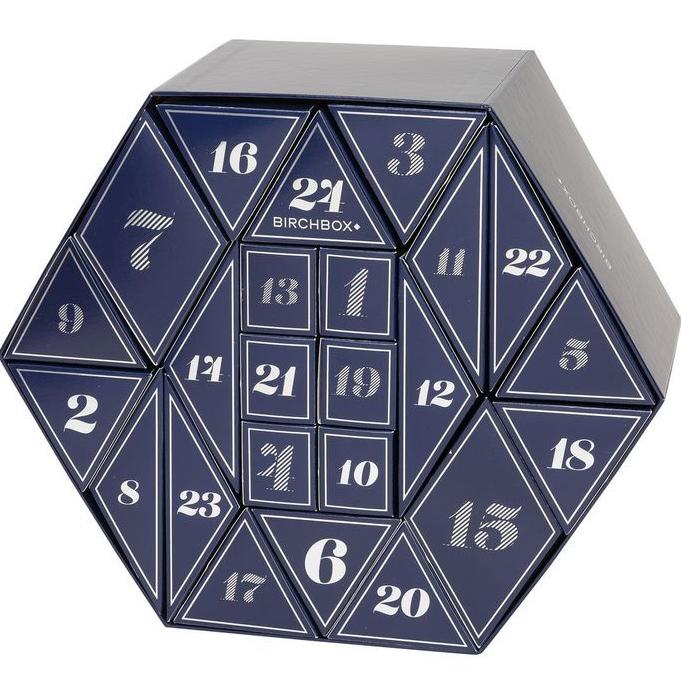
Get a Custom Advent Calendar Quote from LansBox
What Makes A Calendar Feel Fully Custom?
Full customization means the calendar can be shaped, printed, and finished to match a company’s exact specifications rather than pulled from a generic template. That includes structural choices alongside visual ones, giving gift planners a finished product that feels distinctly their own rather than a decorated stock box.
Does Interior Printing Matter As Much As The Outside?
Interior printing matters just as much, arguably more, for a promotional advent calendar meant to build daily engagement. Each door reveal becomes a fresh branding touchpoint, stretching a single gift into 24 or 25 separate impressions instead of one.
HR teams and marketing leads planning bulk corporate orders should treat design sign-off as the step that protects everything downstream. Printing, assembly, and delivery timelines all depend on it.
How Do You Handle Filling And Fulfillment?
LansBox handles filling and fulfillment through one coordinated program, not four separate vendors stitched together. Order processing, quality inspection, warehousing, and logistics run as a single workflow built for the volume spikes that hit every vacation gifting season.
A corporate gift planner ordering a custom advent calendar run for 500 employees follows a fairly straightforward path from file to doorstep:
Submit final design files and confirm structural details before production begins.
Review a prototype to confirm structure and print quality hold up before committing to the full batch.
Move approved units into quality inspection, checking print consistency and box integrity against the original spec.
Route finished calendars into warehousing rather than shipping piecemeal from a factory floor.
Hand off to courier partners for direct delivery to offices, distribution centers, or individual home addresses.
Prototyping matters more than most planners assume. A promotional advent calendar with twenty-four die-cut doors has twenty-four chances for something to misalign. Catching that on a sample avoids catching it on a pallet of finished stock, which is a much more expensive place to find a problem.
Warehousing solves a different pain point: timing. Vacation gifting runs on hard deadlines. Nobody wants a branded advent calendar program stuck behind a shipping bottleneck in December.
Does Warehousing Really Speed Up Delivery?
Yes — consolidated processing and warehousing programs keep inventory turnover moving, boosting it by more than 15% in some client programs rather than letting stock sit idle. Calendars come out of storage and into transit faster because the warehousing. Logistics steps already sit inside the same operation.
Can Fulfillment Ship Straight To Recipients?
Warehouse capacity paired with established courier partnerships allows finished calendars to ship directly to employees, clients, or retail partners. That direct-to-recipient path cuts out extra handling steps. Keeps delivery timelines predictable during a season with zero room for delays.
What Mistakes Should You Avoid When Ordering?
Four errors sink most corporate advent calendar orders: vague sustainability claims, skipped quality checks, non-recyclable materials, and late timeline confirmation. Each mistake carries a cost, whether that’s a damaged brand statement or a batch of gifts arriving after December 1.
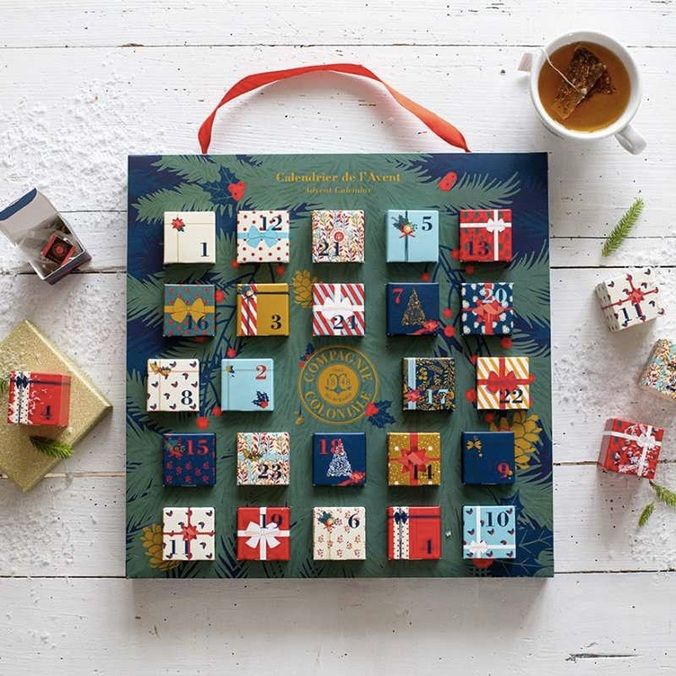
Get a Custom Advent Calendar Quote from LansBox
Does sustainability messaging really matter for a corporate gift?
It matters more than most gift planners assume. A branded advent calendar built around eco-friendly claims needs verifiable proof behind it, not just marketing language, or the whole brand statement falls apartment once recipients start asking questions.
What causes inconsistent unboxing experiences across large orders?
Skipping confirmation of quality inspection steps is the usual culprit. A promotional advent calendar program covering hundreds or thousands of employees or clients needs consistent inspection at every stage of production. Unboxing quality varies box to box.
Three additional checkpoints deserve attention before placing an order:
Confirm all paper-based materials are fully recyclable, since eco-conscious recipients notice packaging choices.
Lock in production timelines early; a custom advent calendar typically takes 10 to 30 business days to produce.
Request sourcing documentation rather than relying on general claims.
Rushed timing pushes delivery past the vacation window entirely.
Designing a branded advent calendar for corporate gifts demands thoughtful planning across structure, materials, and messaging—each element working together to create an unboxing experience that reflects your brand’s values. By partnering with a packaging specialist equipped to handle custom design, eco-friendly materials, and end-to-end fulfillment, you streamline production while ensuring consistent quality at scale. The result is a gift that strengthens client relationships, reinforces brand loyalty, and delivers measurable ROI through a memorable seasonal touchpoint that customers genuinely appreciate.
FAQ
What file formats does LansBox accept for advent calendar artwork?
LansBox accepts PSD, PDF, and JPEG files for paper box submissions, with interior and exterior printing available across all box styles.
How long does production take for a branded advent calendar?
Production runs 10 to 30 business days depending on complexity. Planners working toward a Q4 gifting campaign need to add buffer time.
What minimum order quantity does LansBox require?
Minimum order quantities vary based on the specific product and level of customization. Planners should confirm quantity thresholds early in the conversation.
 EN
EN DE
DE FR
FR PL
PL PT
PT ES
ES JA
JA RU
RU AR
AR IT
IT NL
NL TR
TR KO
KO