

Designing makeup packaging is about creating a protective, on-brand enclosure that captivates on the shelf and guides customers through an unforgettable unboxing experience. Emerging and established SMBs in the e-commerce and D2C beauty space often grapple with balancing aesthetics, logistics, and sustainability. This guide is your solution, offering actionable steps, core design principles, and trend insights for 2025 and beyond. You’ll master the journey from brand vision to production with a proven process, align every visual element with your audience’s expectations, tap into cutting-edge materials and technology, and elevate the unboxing moment into a truly luxurious affair. We’ll delve into:
- The complete design-to-production workflow
- Harmonizing identity, color, and typography
- 2025’s top trends: minimalist, smart, and personalized packaging
- Eco-conscious materials and sustainable solutions
- Engineering premium unboxing for luxury lines
- Optimizing for e-commerce durability and cost-effectiveness
- Mastering best practices in custom printed box packaging
Throughout this guide, you’ll see how LansBox’s custom printed box packaging service effortlessly integrates your brand identity, target audience insights, and competitive differentiation into every box design.
What Are the Essential Stages in Cosmetic Packaging Design?
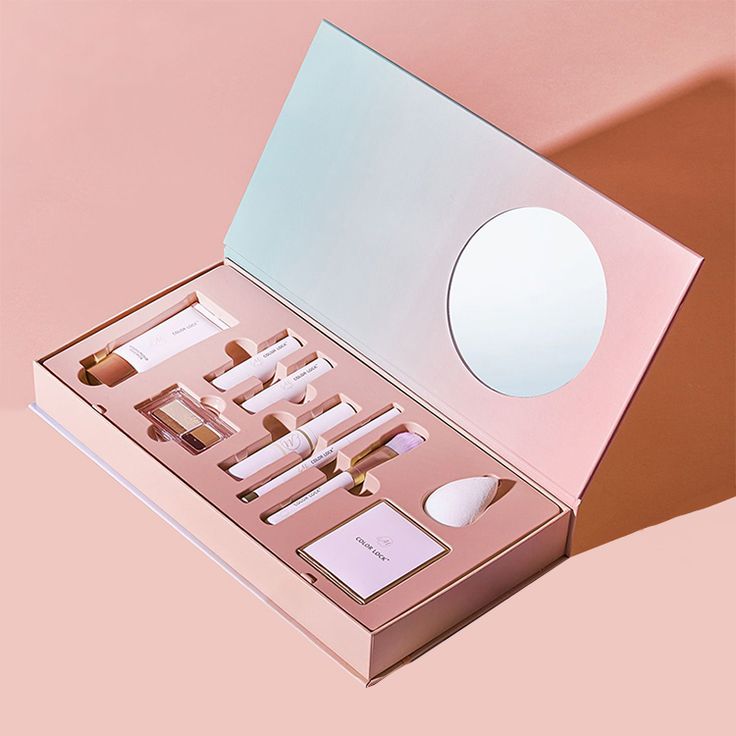
The cosmetic packaging design process outlines a series of phases—concept, prototyping, production, and quality assurance—that transform initial ideas into retail-ready boxes, ensuring perfect alignment with brand identity and consumer needs. Concept development establishes the creative bedrock by translating brand values into compelling visuals. Prototyping rigorously tests structure, materials, and finishes for both functionality and aesthetic appeal. Production leverages optimized printing techniques and sustainable materials to deliver superior results, while quality control meticulously verifies color accuracy, print fidelity, and structural integrity. Together, these stages guarantee that every makeup box not only safeguards the product but also tells a powerful brand story.
Get a Custom Makeup Box Quote from LansBox
How Do You Forge a Makeup Packaging Concept That Embodies Brand Identity?
Concept development kicks off by defining your brand’s core personality—its tone, heritage, and market positioning—and translating that into key visual elements like logo placement, color palette, and typography. Conduct a thorough competitive audit to pinpoint market gaps and opportunities, then sketch multiple design directions that integrate imagery, patterns, and textures aligned with your brand values. For instance, a minimalist skincare line might opt for monochrome palettes and delicate line graphics, whereas a vibrant, youth-focused brand could embrace bold hues and playful typography. This structured ideation process anchors all subsequent prototyping and production decisions.
What Are the Premier Prototyping and Sampling Strategies for Makeup Packaging?
Effective prototyping combines sophisticated digital mock-ups with tangible physical samples to validate sizes, dielines, and print finishes before committing to full production. Begin with a 3D render or digital proof that meticulously showcases color matching and graphic placement. Subsequently, produce small-run samples using your target material—be it paperboard, rigid board, or kraft—to assess sturdiness, folding mechanisms, and closure performance. Iterate rapidly based on feedback from packaging engineers and marketing teams, ensuring prototypes accurately reflect real-world handling and brand expectations. This systematic sampling approach significantly minimizes costly revisions during mass production.
Which Printing Techniques Yield the Most Impactful Custom Makeup Boxes?
High-impact cosmetic packaging frequently utilizes a combination of CMYK and spot-color printing to achieve precise brand hues, complemented by specialty finishes such as foil stamping, embossing, or spot UV. Offset printing delivers exceptionally sharp details on paperboard, while digital printing is ideal for shorter runs and variable data applications like limited-edition labels. Integrating metallic inks or cold foil can brilliantly accentuate logos and highlight premium collections, and UV coatings provide robust protection for graphics against scuffs. Selecting the optimal printing method involves balancing quality, cost, and sustainability objectives.
How Is Uncompromising Quality Control Achieved in Makeup Packaging Production?
Quality control ensures that every batch of makeup boxes precisely meets design specifications by meticulously inspecting color accuracy, structural integrity, and finish consistency. Implement rigorous press checks to compare printed samples against approved proofs, conduct carton strength tests (like burst and compression tests), and verify closure functions and insert fit. Maintaining a detailed inspection checklist, from dieline verification through final gluing, proactively prevents errors and upholds your brand standards. This robust QC framework not only reduces waste and supports sustainability goals but also safeguards customer satisfaction.
How Do You Harmonize Makeup Packaging Design with Brand Identity and Your Target Audience?
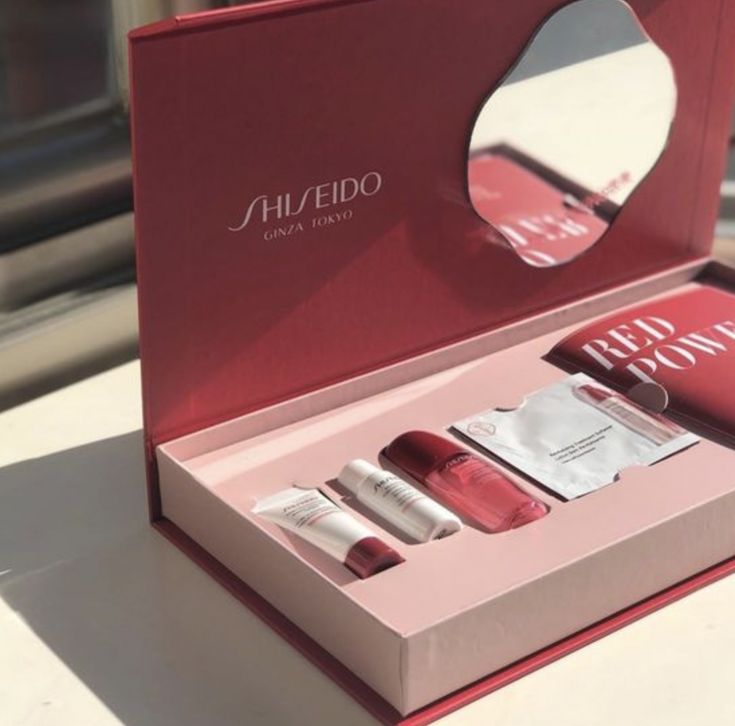
Aligning your packaging with brand identity and audience preferences hinges on a profound understanding of who your customers are and what they truly value. By seamlessly blending brand personality—its story, values, and visual language—with detailed demographic and psychographic insights, your packaging becomes an authentic brand ambassador. Strategic application of your logo, color palette, and typography signals quality and sets the desired mood, while thorough audience research informs material choices and functional design. When your packaging design genuinely resonates with user expectations, consumer loyalty and perceived value soar, granting your brand a significant competitive advantage.
Packaging design is a critical tool for attracting consumers and influencing their purchasing decisions, acting as a primary conduit for brand communication.
Get a Custom Makeup Box Quote from LansBox
Cosmetic Packaging Design: Branding, Consumer Perception, and Market Impact
Product packaging is instrumental in attracting consumers, influencing purchasing decisions, and serving as a conduit for brand communication. Approximately 73% of purchasing decisions are finalized at the point of sale. An elevated product appeal and attractiveness simplify the selection process for consumers. Design and marketing are two intrinsically interconnected disciplines. Superior design differentiates brands, enabling products to stand out and shaping consumer perception. Brands that successfully establish a lasting impression can achieve global market dominance. Consumers must perceive the quality embedded within the packaging by the brand, which can be achieved through various design elements. Color, shape, imagery, material, and package convenience are all critical design components in cosmetic branding. While these elements are often integrated, there is a discernible lack of a holistic approach that aligns design elements with consumer perspectives. This review paper underscores these aspects, emphasizing the significance of product packaging in cosmetic branding and proposing strategies for brands to bridge the disparity between intended brand messaging and consumer perception.
Package design as a branding tool in the cosmetic industry: consumers’ perception vs. reality, D Ramakanth, 2022
What Crucial Roles Do Logo, Color Palette, and Typography Play in Makeup Packaging?
Your logo, color palette, and typography serve as the primary visual cues that instantly communicate your brand’s story. A strategically placed logo anchors the design hierarchy, ensuring immediate and unmistakable brand recognition. Color powerfully engages emotions—think calming pastel neutrals for skincare or rich jewel tones conveying luxury in makeup—making palette selection critical for reflecting both brand identity and target market. Typography reinforces tone: elegant serif fonts project sophistication, modern sans-serif suggests innovation, and flowing script can add a handcrafted, artisanal feel. Collectively, these elements forge a cohesive aesthetic that makes your products stand out on even the most crowded shelves.
How Do You Effectively Analyze and Integrate Target Audience Preferences into Packaging?
Audience analysis begins with segmenting your customers based on demographics, lifestyle, and values. Subsequently, conduct surveys or employ social listening tools to uncover their specific packaging desires—whether it’s ease of use, refillability, or visually stunning, Instagram-worthy aesthetics. Map these valuable insights onto specific design features: consider magnetic closures for luxury aficionados, eco-friendly kraft boards for sustainability-minded shoppers, or interactive QR codes for digital natives. User testing with prototypes provides crucial real-world feedback on preferences, guiding choices for finishes and structural elements. This user-centered approach ensures your packaging feels uniquely tailored, significantly boosting engagement and encouraging repeat purchases.
How Does Makeup Packaging Shape Consumer Perception and Foster Loyalty?
Packaging functions as a silent salesperson, profoundly influencing first impressions and shaping long-term brand relationships. The use of premium materials, sophisticated tactile finishes, and thoughtfully engineered structures communicates inherent value and meticulous care, reinforcing positive brand perception. When packaging aligns perfectly with customer expectations—displaying eco-certifications for environmentally conscious consumers or showcasing lavish details for premium audiences—trust deepens, and emotional connections strengthen. Consistent, on-brand unboxing experiences naturally encourage social sharing, driving invaluable word-of-mouth growth. By enhancing both functional protection and sensory delight, packaging cultivates lasting loyalty and repeat business.
What Are the Defining Makeup Packaging Design Trends for 2025 and Beyond?
Makeup packaging in 2025 is evolving towards refined minimalism, intelligent connectivity, and hyper-personalization, mirroring broader consumer demands for simplicity, seamless tech integration, and uniquely tailored experiences. Minimalist designs utilize clean lines and tactile finishes to convey authenticity and understated sophistication. Smart packaging embeds QR codes or NFC chips to enrich brand storytelling or facilitate convenient refill programs. Personalization—through custom colorways or exclusive limited-edition artwork—drives deep engagement and collector appeal. Brands that skillfully blend these emerging trends will differentiate themselves and maintain agility in the rapidly evolving beauty market.
How Is the Minimalist Aesthetic Revolutionizing Luxury Makeup Packaging?
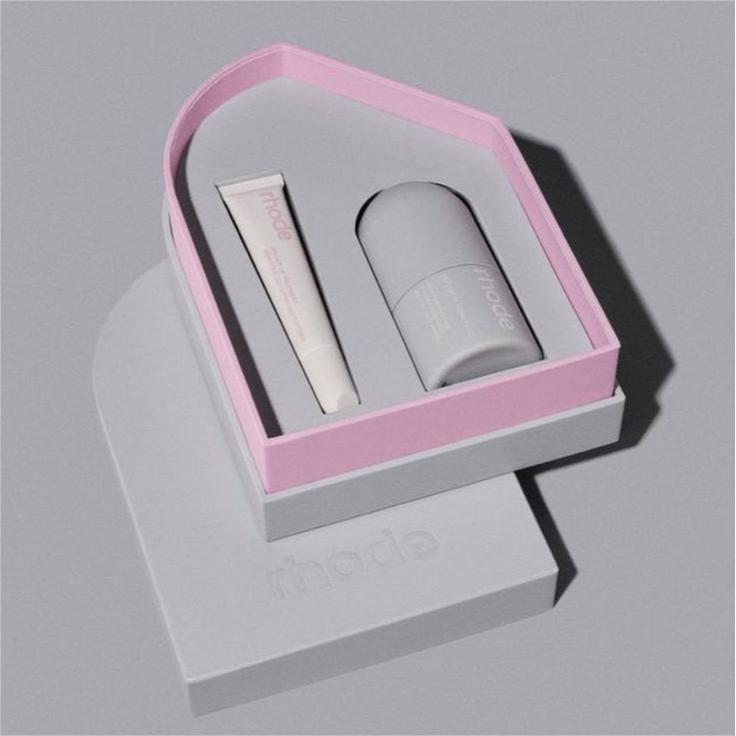
Minimalist luxury packaging deliberately strips away ornamentation to spotlight material quality and subtle, refined details. Matte or soft-touch finishes in sophisticated monochrome palettes convey elegance and restraint, while micro-embossed logos add depth without overwhelming graphics. Simple, intuitive structures—like elegant drawer boxes or smooth slide-opens—enhance the user experience by prioritizing effortless access. This powerful “less is more” philosophy elevates perceived value by emphasizing superior craftsmanship, making minimalist design a hallmark of sophisticated beauty brands that invite consumers to appreciate form and function in perfect harmony.
What Groundbreaking Innovations Are Emerging in Smart and Connected Cosmetic Packaging?
Smart packaging seamlessly integrates digital elements directly into the box design, employing QR codes, NFC tags, or augmented-reality triggers to bridge the physical and digital realms of brand interaction. Scanning a code can authenticate products, unlock exclusive tutorials, or enroll users in subscription and refill programs—actively promoting sustainable behavior by rewarding returns and refills. Intelligent inks that dynamically change color with temperature or UV exposure can signal product freshness or provide usage recommendations. These interactive features foster deeper customer engagement, enable valuable data collection, and cultivate long-term brand loyalty.
How Do Customization and Personalization Elevate Makeup Packaging?
Personalization transforms packaging into a uniquely intimate customer touchpoint by offering options like monogramming, exclusive limited-edition graphics, or precisely color-matched labels. Brands can leverage advanced digital printing capabilities to produce short runs of custom designs or create compelling gift-with-purchase offers tailored to individual user preferences. This immediate customization drives profound emotional resonance, encourages widespread social sharing, and effectively justifies premium pricing. By empowering consumers to co-create packaging aesthetics, brands foster a powerful sense of ownership that translates directly into higher perceived value and stronger brand advocacy.
What Are the Optimal Materials and Sustainability Practices for Makeup Packaging?
Sustainable makeup packaging harmoniously combines eco-friendly materials—such as recyclable paperboard, biodegradable plastics, and FSC-certified kraft—with thoughtful design strategies like refillable inserts and minimalist, waste-reducing dielines. Material selection significantly influences brand perception and environmental impact: paperboard offers excellent recyclability, rigid board conveys luxury while being responsibly sourced, and aluminum or glass provide durability, especially when integrated into reusable systems. Incorporating recyclable finishes and eliminating single-use plastics aligns packaging with green consumer values and evolving regulatory pressures, effectively reducing your environmental footprint while reinforcing your brand’s ethical commitment.
What Are the Advantages of Utilizing Recyclable, Biodegradable, and FSC-Certified Materials?
Recyclable and biodegradable materials significantly reduce landfill waste and strongly appeal to eco-conscious consumers, while FSC certification guarantees that paperboard originates from responsibly managed forests. Brands that adopt these materials benefit from enhanced consumer trust, can confidently make sustainability claims, and often qualify for prestigious green certifications. Biodegradable coatings can effectively replace plastic laminates, enabling convenient home composting. These conscious choices lower environmental impact, resonate deeply with customers seeking guilt-free beauty options, and proactively prepare brands for future packaging regulations aimed at minimizing plastic waste.
How Do Paperboard, Kraft, Rigid Boxes, Glass, and Aluminum Compare for Cosmetic Packaging?
Paperboard offers remarkable versatility and excellent print fidelity but often requires protective coatings for moisture resistance. Kraft board provides a distinctively rustic, eco-friendly aesthetic coupled with robust tear resistance. Rigid boxes deliver a premium tactile experience and superior structural strength, making them ideal for high-end sets or exclusive gift editions. Glass offers chemical inertness and refill potential for skincare serums but introduces added weight and the risk of breakage. Aluminum combines lightweight durability with high recyclability, making it perfect for compacts and lipstick tubes. The optimal material choice is determined by balancing cost, brand positioning, and logistical considerations.
These material options strategically guide both functional performance and brand messaging, paving the way for advanced sustainable innovations.
What Refillable and Eco-Friendly Packaging Solutions Are Available for Makeup Brands?
Refillable systems—encompassing magnetic compacts, secure screw-top jars, and convenient cartridge inserts—significantly extend product life and drastically reduce waste by enabling customers to purchase refills rather than entirely new units. Brands can design modular boxes featuring easily replaceable inner trays or snap-in cartridges that allow the outer shells to be reused indefinitely. Innovative bio-based plastics and mycelium-derived foam inserts offer novel, compostable protection solutions. Combining reusable containers with clear, user-friendly refill pathways elevates sustainability credentials and fosters continuous consumer engagement.
How Do You Design Luxury Makeup Packaging That Orchestrates a Premium Unboxing Experience?
Luxury makeup packaging designs artfully transform the simple act of opening into a multi-sensory ritual by harmonizing premium materials, refined finishes, and thoughtfully orchestrated reveals. Incorporating high-end paperboards, luxurious soft-touch laminates, and elegant metal accents signals exceptional quality from the very first glance. Layered unboxing elements—such as sophisticated drawer boxes, delicate branded tissue wraps, or refined ribbon pulls—expertly build anticipation and deliver moments of pure delight. When packaging design masterfully orchestrates texture, sound, and visual cues in perfect harmony, it delivers a memorable encounter that not only justifies luxury positioning but also fuels invaluable social sharing.
The unboxing experience is a critical component of consumer satisfaction, and its complexity can significantly impact perceived quality and emotional response.
Get a Custom Makeup Box Quote from LansBox
The Unboxing Experience in Cosmetic Packaging: Consumer Satisfaction and Design Complexity
The unboxing experience has emerged as a pivotal factor influencing the overall satisfaction with cosmetic packaging. Amidst escalating demand for cosmetics, the market has witnessed two contrasting negative phenomena: excessive packaging and inadequate packaging. This dichotomy in negative evaluations highlights a prevailing ambiguity in the design of packaging unboxing experiences, with the complexity of the unboxing experience remaining unclear in its differential impact on consumer preferences. This study commences at the unboxing stage of the product lifecycle, constructing a stimulus-response (S-O-R) model. It operationalizes S (unboxing experiences of three distinct complexity levels) as stimuli. The impact of these stimuli on O (emotional response and perceived quality) was examined, ultimately measuring the effect on R (satisfaction). Statistical analysis using SPSS confirmed the validity of the research hypotheses and the proposed model.
Exploring the Impact of Unboxing Complexity on Consumer Satisfaction in Cosmetic Packaging, 2024
What Premium Materials and Finishes Elevate Luxury Cosmetic Packaging?
Premium packaging frequently features heavyweight rigid boards elegantly wrapped in soft-touch or intricately textured papers, accented with metallic foil stamping for logos and precise enamel spot-UV highlights for striking contrast. Exotic materials—like luxurious velvet lamination, shimmering pearlescent coatings, and premium genuine leatherette—add unparalleled tactile richness. Metal insets or satisfying magnetic closures reinforce a sense of solidity and refined elegance. These high-end materials and finishes work in concert to signal exceptional quality, bolster brand prestige, and create truly lasting impressions.
How Do Magnetic Closures, Embossing, and Foil Stamping Enhance Packaging Appeal?
Magnetic closures provide a satisfying, secure snap that feels inherently upscale, significantly reinforcing perceived value. Embossing or debossing adds a sophisticated tactile depth to logos or patterns, inviting touch and highlighting meticulous craftsmanship. Foil stamping introduces brilliant, reflective metallic accents that dynamically catch the light and draw the eye to key design features. By artfully combining these elements, packaging creates a captivating sensory interplay—engaging sound, sight, and touch—that elevates the unboxing moment into a truly premium ritual.
How Can Packaging Design Elevate the Customer’s Unboxing Experience?
Strategic unboxing design employs layered reveal sequences—from an elegant outer sleeve to a smooth slide-open drawer, followed by delicate inner tissue and a perfectly fitted product cradle—to build excitement. Custom-designed inserts securely cradle each component while maintaining visual harmony. Branded tissue paper or personalized thank-you cards add a crucial human touch, fostering a deeper emotional connection. Subtle sensory details—like soft-closing magnets, crisp paper folds, or even faint, pleasant scent sachets—engage multiple senses. By meticulously choreographing each step, brands transform a simple opening into an immersive, memorable experience that amplifies delight and encourages valuable social sharing.
How Can E-commerce and D2C Brands Optimize Makeup Packaging for Online Sales?
E-commerce packaging demands a careful balance between impactful brand presentation, robust protection, and cost efficiency. Designing mail-ready boxes with reinforced corners, crush-resistant materials, and secure closures ensures products arrive in pristine condition. Clear structural cues—like integrated tear strips or easy-peel seals—simplify the unboxing process for the customer. Lightweight, perfectly sized packaging reduces dimensional weight costs, while branded outer cartons extend the brand experience well beyond the traditional shelf. Integrating eco-friendly cushioning—such as kraft crinkle paper or molded pulp—within sustainable mailers aligns online convenience with environmental responsibility.
What Packaging Features Guarantee Durability and Protection During Shipping?
Durability is achieved through strategic material choices and structural reinforcements—think double-wall paperboard, reinforced edges, and integrated inserts that immobilize products. Effective cushioning elements like molded pulp trays or biodegradable foam protect delicate compacts from shock and impact. Robust tuck-lock closures or reliable tear-strip seals prevent accidental openings during transit. Clearly defined stacking strength and compression ratings guide material selection for various shipping routes. These essential features collectively minimize damage rates and costly returns.
How Does Packaging Design Influence Online Customer Engagement and Brand Loyalty?
The success of unboxing videos and social shares hinges on both the drama of the reveal and the overall aesthetic appeal. Branded mailers featuring distinctive graphics extend the immersive brand experience even before customers open the package. Inner packaging that thoughtfully mirrors the outer branding deepens this immersion, while surprise elements—like included sample inserts or personalized thank-you notes—actively drive loyalty. Clear instructions for reuse and recycling reinforce sustainable brand values. By engaging customers through every touchpoint of the shipping process, brands transform a basic delivery into a powerful branded moment that cultivates long-term affinity.
What Cost-Effective Packaging Solutions Are Available for Small and Medium Brands?
Small and medium-sized brands can optimize their budgets by selecting mono-material mailer systems that utilize a single, easily recyclable substrate, thereby reducing material complexity and simplifying the recycling process. Digital printing on demand eliminates restrictive minimum order quantities and lowers overall inventory costs. Simplified dielines minimize material waste and reduce die-cut fees, while adaptable modular insert systems can be used across multiple SKUs. Purchasing unbranded substrates in bulk and applying branded sleeves or bands offers a smart way to balance budget constraints with impactful on-brand presentation. These strategic approaches ensure professional, high-quality packaging without unnecessary expenditure.
What Are the Premier Practices for Custom Printed Makeup Box Packaging?
Custom printed makeup box packaging masterfully combines precise dieline design, strategic customization options, and optimized printing methods to deliver truly standout brand experiences. Defining the size, shape, and insert layouts early in the process ensures both structural integrity and visual harmony. Selecting the appropriate printing method—offset for high-volume production or digital for enhanced flexibility—drives both quality and cost efficiency. Incorporating unique finishes like embossing or metallic inks adds captivating tactile and visual depth. By prioritizing brand identity, deep audience insights, and clear competitive differentiation, custom packaging effectively elevates products above the crowded beauty market.
How Do Customization Options Like Size, Shape, and Inserts Influence Packaging Design?
Customization begins with accurately assessing product dimensions and stacking requirements to select the optimal box style—whether it’s a classic tuck-end, a sturdy rigid box, a sleek sleeve, or an elegant drawer style. Unique shapes, such as hexagonal lipstick carriers or distinctive octagonal compacts, immediately capture attention but necessitate refined dieline engineering. Inserts—whether crafted from foam, paperboard, or molded pulp—secure products perfectly and create premium reveal moments. Thoughtful insert design expertly balances essential protection with an engaging unboxing delight. Precise customization ensures packaging not only fits products flawlessly but also reinforces brand storytelling through its very form.
What Printing Methods Deliver Superior Cosmetic Packaging Results?
Offset printing offers the richest color gamut and consistently exceptional results on large production runs, making it the ideal choice for established product lines. Digital printing provides unparalleled on-demand flexibility, enables variable data capabilities, and features lower minimum order quantities—making it perfect for limited editions or personalized runs. Combination workflows strategically utilize digital printing for short-run artwork and offset printing for static branding elements, optimizing both cost and production speed. Specialty inks—such as metallic, pearlescent, or spot UV coatings—further enhance visual impact without compromising recyclability.
How Can Brands Differentiate Their Makeup Packaging from Competitors?
Differentiation is achieved through a unique visual language and unexpected tactile experiences: think custom patterns, selective varnishes, and integrated interactive features like peel-and-reveal messages or QR-driven AR experiences. Material innovation—exploring options like mycelium-based cushioning or upcycled textile wraps—boldly signals sustainability leadership. Cohesive unboxing narratives, combining layered reveals with delightful branded surprises, foster deep emotional connections. By meticulously aligning every structural and aesthetic choice with core brand values and audience aspirations, packaging transforms into a distinctive brand ambassador within a highly competitive landscape.
Designing makeup packaging is a strategic fusion of compelling brand storytelling, advanced material science, precise structural engineering, and an keen eye for emerging trends. From the initial concept, meticulously aligned with your brand identity, through prototyping, sophisticated printing, and rigorous quality control, each step ensures your packages not only protect but also delight and deeply resonate with your customers. Sustainable materials and innovative smart features address critical environmental and digital demands, while luxurious finishes and carefully crafted unboxing rituals elevate perceived value. E-commerce and D2C brands can optimize for shipping durability and cost-effectiveness, and specialized custom printed box packaging services—like those expertly provided by LansBox—transform strategic insights into impactful, perfectly on-brand boxes. Implement these best practices to create makeup packaging that truly stands out, drives unwavering loyalty, and adapts seamlessly to the dynamic beauty market.
 EN
EN DE
DE FR
FR PL
PL PT
PT ES
ES JA
JA RU
RU AR
AR IT
IT NL
NL TR
TR KO
KO