

Self-seal boxes achieve recyclability by using single-material corrugated board, water-based adhesives, and eco-friendly options like those LansBox offers, avoiding plastic laminates or wax coatings. LansBox’s production process, spanning 10 to 30 business days, ensures sustainable materials integrate seamlessly with efficient warehousing and logistics for eco-conscious packaging.
Self-sealing boxes eliminate plastic parcel tape—which can’t be recycled—by using built-in adhesive flaps, keeping corrugated cardboard fully recyclable. LansBox pairs eco-friendly material options with interior. Exterior printing across all custom box styles, ensuring self-sealing designs stay both functional and recyclable from Lanxi, Zhejiang.
Self-seal mailer boxes achieve curbside recyclability through interlocking t
What Do You Need Before Designing a Self-Seal Box?
Four things settle the groundwork: a production partner, a realistic timeline, a flexible order plan, and the right file format. Skip any one of these, and a promising box concept stalls before it reaches a warehouse floor. Brands chasing curbside-recyclable recyclable self seal boxes need answers on all four before a single sketch gets approved.
Start with manufacturing location. LansBox operates out of Lanxi, Zhejiang, China, consolidating prototyping and full production runs under one roof. That single-hub setup matters for e-commerce teams juggling multiple SKUs. Fewer handoffs mean fewer chances for specs to get lost in translation.
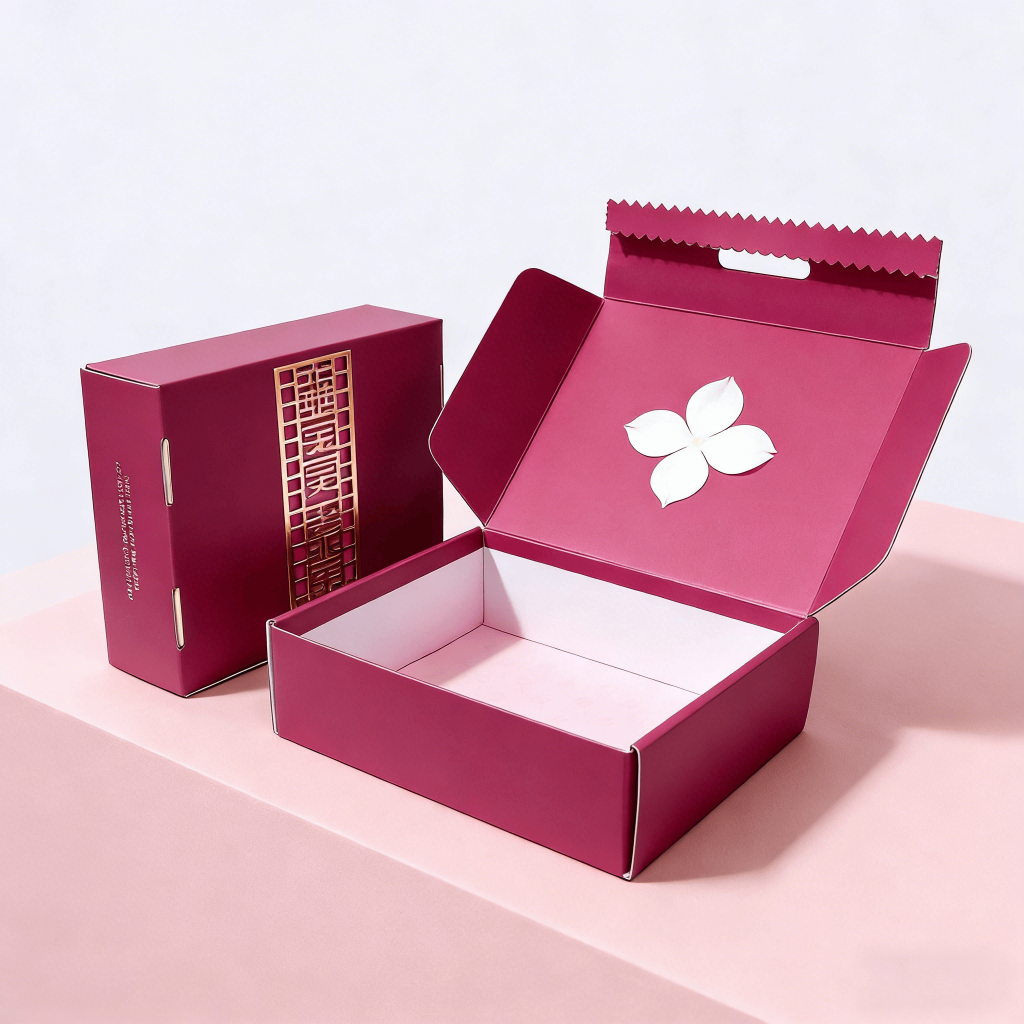
Get a Custom Self-Seal Mailer Box Quote from LansBox
How long does a custom self-seal box take to produce?
Production typically spans 10 to 30 business days, with complexity driving where a project lands on that range. A basic mailer with one print pass moves faster than a multi-panel box with foil accents or interior branding. Building that window into a launch calendar avoids the scramble of a stockout.
Order volume flexibility comes next. Minimum quantities vary by product type and customization level, so budgeting should be flexible to accommodate these changes. A brand testing a new seal mechanism might start small; one scaling vacation fulfillment needs a different conversation entirely.
Finally, get the artwork format right:
PSD for layered, editable design files
PDF for print-ready proofs
JPEG for quick concept previews
These formats support prototyping ahead of mass production, catching structural or print issues while changes still cost little. Teams ready to move forward can request a quote and structural consultation to turn these specs into a working prototype.
How Do You Pick Truly Recyclable Materials First?
Material selection starts with the paper stock, not the adhesive or the printing finish. Paper-based packaging built for recyclable self seal boxes qualifies as fully recyclable, meeting the same standards as curbside programs across the country. That single fact should anchor every sourcing decision a brand makes before locking in a box design.
Skip the shiny laminates and plastic-heavy coatings. Eco-friendly material options exist as part of a standard custom box lineup. Operations teams don’t need a separate “green” tier or a markup for sustainable stock. Design and printing choices, from box structure to ink coverage, can run alongside recyclable materials without sacrificing shelf appeal.
What should teams check before approving a material?
Ask about the adhesive first. Standard parcel tape, along with sellotape, duct tape, and masking tape, contains plastic that recycling facilities cannot process. A self-seal design built with paper-compatible adhesive avoids that contamination problem entirely.
Who catches defects before boxes reach the warehouse floor?
Quality inspection built into the supply chain process flags weak seals, inconsistent stock, or print errors before shipment. That inspection step matters more for self-seal boxes. A bad adhesive bond means a box that won’t stay closed in transit.
Before finalizing a material order, confirm:
The paperboard carries no plastic laminate or foil layer.
The seal mechanism uses paper-friendly adhesive, not synthetic tape.
Quality inspection is included in the production workflow, not billed separately.
Brands ready to move past guesswork on materials can request a custom quote for packaging built around these standards.
How Do You Engineer the Adhesive Seal Itself?
A tape-free carton closes tight because the adhesive lives inside the flap, not in a dispenser gun. Built-in strips do the job packing tape used to do, and the bond holds under normal warehouse handling. That single design choice is what separates ordinary cartons from recyclable self seal boxes built for e-commerce speed.
Two adhesive families dominate this category. Pressure-sensitive strips bond the moment a packer folds and presses the flap. Heat-activated versions need a brief application of heat to set. Pick one before finalizing flap dimensions. The choice changes cut lines, panel length, and how much force a packer applies at the line.
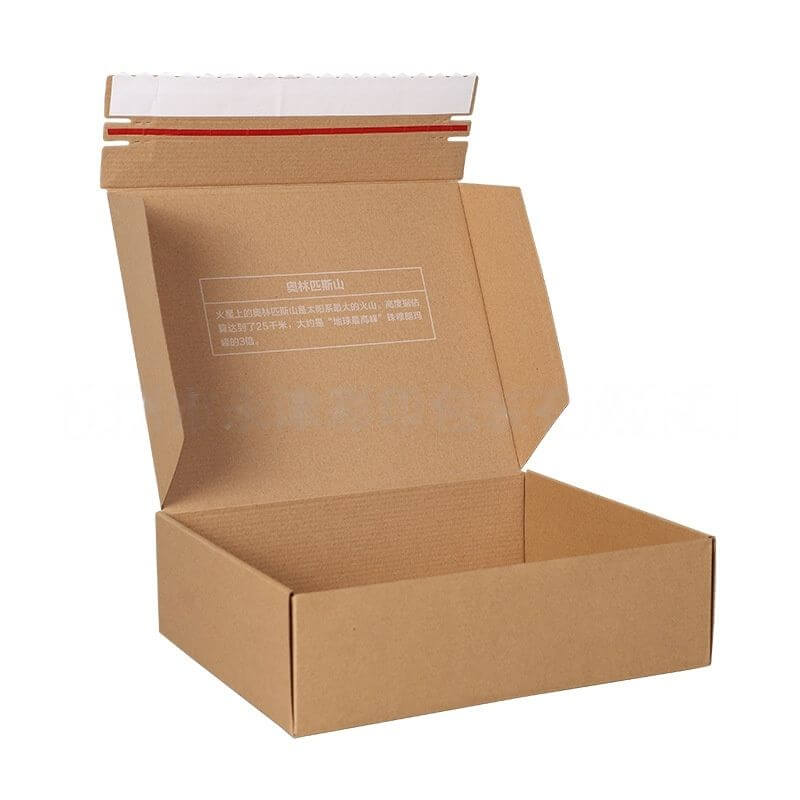
Get a Custom Self-Seal Mailer Box Quote from LansBox
What Steps Turn a Apartment Blank Into a Self-Sealing Carton?
Building the seal follows a fixed order, not guesswork.
Choose pressure-sensitive adhesive for high-volume lines, or heat-activated for slower, controlled packing runs.
Set flap length and placement so folding alone triggers full closure across the seam.
Run a fold-and-press test under expected load before committing to mass production.
Add a tear strip where returns processing or quality checks require reopening the carton.
Apply interior and exterior printing before the adhesive line, so branding sits untouched by the seal.
That sequence delivers a mechanism that trims packing time, cuts labor spend, and shields products from shifting damage in transit.
Does the Adhesive Flap Crowd Out Branding Space?
No. Custom self-seal styles still carry full interior and exterior printing across the panel. The flap sits at the seam, leaving brand graphics, color, and finish untouched everywhere else on the box.
How Do You Print and Finish Without Losing Recyclability?
Full-color printing survives the switch to sustainable construction just fine. Brands do not have to trade bold design for a curbside-friendly box. LansBox applies creative design and printing across custom packaging lines without layering on the plastic coatings that block recycling.
The bigger risk sits at the seams, not the surface. Tape, laminate, and glossy film finishes cause more contamination problems than ink ever does. Recyclable self seal boxes solve that by replacing tape with built-in adhesive flaps, keeping the printed surface clean and the fiber stream intact.
Does adding print or color reduce a box’s recyclability?
Not when the coating stays paper-compatible. Standard CMYK printing on corrugated or paperboard stock recycles the same way as unprinted stock. The fiber pulping process tolerates ink far better than it tolerates plastic film or heavy laminate. Problems start when finishes add non-paper layers — foil, high-gloss laminate, or plastic-based tape — that mills have to screen out before pulping.
What print and finish choices keep a self-seal box curbside-ready?
Three checkpoints matter most for design teams building a recyclable self-seal mailer:
Confirm ink and coating options are paper-compatible before finalizing artwork.
Skip glossy laminates and plastic-based finishes on any exterior panel.
Verify the adhesive closure itself uses no plastic tape or film backing.
Roughly 91% of Americans already have access to curbside or drop-off recycling, per a study cited in a recent packaging-recyclability guide, and 60% specifically have curbside pickup. Tape-free construction removes a contamination trigger right at the bin. Brands testing new self-seal designs can start small, too — consolidated warehousing and logistics support lets a team validate a design at limited batch sizes before committing to full production runs. For teams ready to move from concept to sample, LansBox directs users to conversion points for custom packaging services.
What Mistakes Wreck Recyclable Self-Seal Box Designs?
Four errors sabotage even the best-intentioned sustainable packaging plan. Stockpiling plastic tape supplies instead of switching to recyclable self seal boxes ranks first, followed by weak quality checks, tape residue, and unboxing friction that annoys customers before they ever reach a recycling bin.
Warehouses that keep ordering tape rolls out of habit tie up cash and shelf space that self-sealing stock doesn’t need. That overordering pattern drags down inventory efficiency across a fulfillment operation. Supply chain programs built around self-seal formats, by contrast, are designed to boost turnover by 15%+.
Skipping inspection on adhesive flaps is the second trap. A batch of self-seal boxes with weak or misaligned adhesive strips fails silently until a customer opens a torn parcel. Quality inspection steps built into order processing, warehousing, and logistics catch seal failures before boxes ever leave the facility.
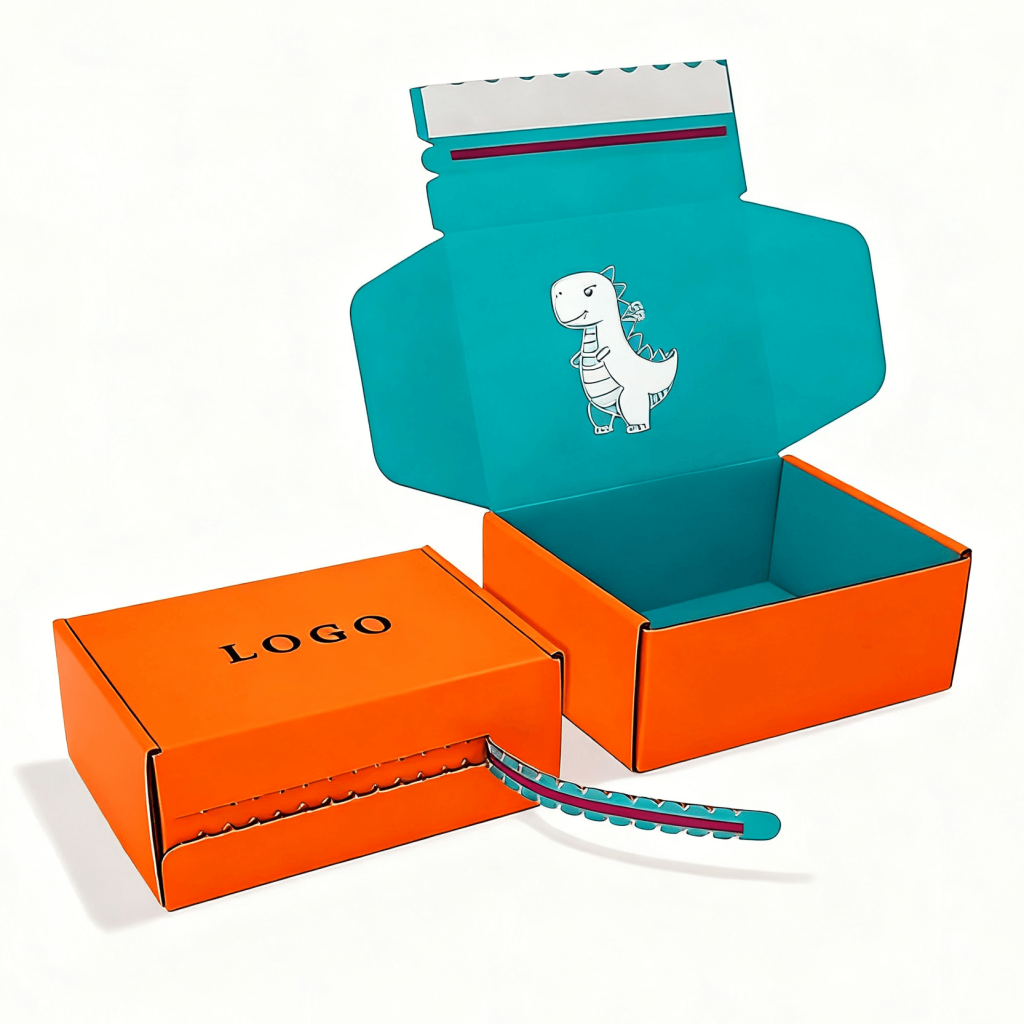
Get a Custom Self-Seal Mailer Box Quote from LansBox
Why does tape ruin box recyclability?
Sticky tape residue clogs recycling processing machinery and drags down the quality of the resulting recycled cardboard. Facilities have to strip it out manually or reject contaminated loads outright. That single strip of tape can undo an otherwise fully recyclable design.
Does tape make unboxing harder for customers?
Yes. Tape forces customers to peel or cut it off before tossing a box in the recycling bin, adding a step nobody asked for. That friction chips away at the unboxing experience brands work hard to build.
Brands ready to fix these design gaps can reach out through LansBox’s conversion points for custom packaging services and start with a structural review.
FAQ
What makes self-seal boxes recyclable?
Built-in adhesive flaps replace plastic parcel tape, keeping corrugated cardboard fully recyclable. Paper-compatible adhesive avoids the contamination that tape, sellotape, duct tape, and masking tape cause in recycling facilities.
How long does production take for a custom self-seal box?
Production spans 10 to 30 business days, with complexity determining where a project falls in that range. A basic single-print mailer moves faster than a multi-panel design with foil accents or interior branding.
What file formats does LansBox require for design submissions?
LansBox accepts PSD for layered, editable files, PDF for print-ready proofs, and JPEG for quick concept previews. These formats support prototyping, catching structural or print issues before mass production begins.
Conclusion
In closing, designing self-seal boxes for recyclability requires balancing structural integrity with material responsibility—a challenge that strengthens both your brand reputation and operational efficiency. By prioritizing water-based inks, single-material construction, and clear recycling guidance, you create packaging that resonates with environmentally conscious consumers while reducing waste in your supply chain. Partner with a manufacturer who understands these nuances. Can deliver eco-friendly solutions without compromising on quality or speed, ensuring your unboxing experience builds lasting customer loyalty.
 EN
EN DE
DE FR
FR PL
PL PT
PT ES
ES JA
JA RU
RU AR
AR IT
IT NL
NL TR
TR KO
KO