

Corrugated boxes combine layered linerboard and fluted medium to give products cushioning, stacking strength, and a printable surface for branding. This guide walks through the full manufacturing flow—from material selection and corrugation to converting, printing, and quality control—and explains how decisions at each step affect protection, cost, and the brand experience for e-commerce and D2C companies. You’ll find practical rules for choosing flute profiles and wall constructions, production checkpoints to watch, and conversion techniques that protect structure and print fidelity. We also compare common printing methods, offer decision matrices to match product protection with construction, and outline the tests used in QC. Where useful, the guide points to custom printed packaging options and how a manufacturing partner can support short and long runs for branded corrugated solutions.
What Are Corrugated Boxes and Their Key Components?
Corrugated boxes are built from linerboard facings glued to a fluted corrugating medium. That sandwich creates a lightweight panel with high bending stiffness and shock absorption: the flutes form vertical columns that resist crushing and damp impacts in transit. Material choices influence strength, printability, and price—thicker linerboard and heavier flutes raise ECT and BCT values, while finer flutes improve surface smoothness for retail printing. Knowing these components helps you match structural needs to branding goals without over-specifying materials that increase freight costs.
Research reinforces that careful design and material selection are key to balancing cost, strength, and brand presentation.
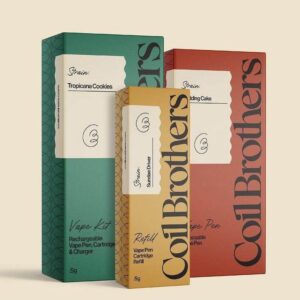
Get a Custom Corrugated Box Quote from LansBox
Optimizing Corrugated Packaging Design & Material Selection
This study highlights the main factors in corrugated packaging design—cost, material choice, and structural requirements—and shows how selecting the right cardboard type ensures product protection while supporting branding goals.
The Effect of Industrial Design on Corrugated Cardboard Packaging Optimization, DG Ertaş, 2025
The primary components are linerboard, the fluted medium, and adhesive—each affects performance in a distinct way. Picking the right combination balances protection with visual presentation. The section below breaks down common constructions and practical use cases to simplify that decision.
| Material Component | Characteristic | Typical Uses |
|---|---|---|
| Kraft linerboard | High tensile strength; available brown or coated white | Heavy-duty shipping, food‑grade outer faces |
| Recycled linerboard | Cost-efficient with variable strength | General shipping, eco-focused brands |
| Fluting (C, B, E) | Different thickness and cushioning: C (thicker), B (medium), E (thin) | C for heavy loads, B for cushioning, E for retail/print clarity |
| Starch adhesive | Fast-setting but moisture-sensitive | Bonds liners to medium on the corrugator |
This comparison clarifies how materials affect structure and print quality; next we explain standard board constructions and when to specify each one.
What is Corrugated Board and How Is It Structured?
Corrugated board comes in several constructions: single-face (one liner + flute), single-wall (two liners + one flute), double-wall (three liners + two flutes), and triple-wall. Each step up increases stacking and puncture resistance. Single-wall with C‑flute is a common balance of strength and cost for many e-commerce shipments; double- or triple-wall suits heavy or palletized loads that need extra compression resistance. The chosen construction also affects weight, material cost, and how well the board accepts different printing and finishing methods. For retail-facing packaging, thinner flutes such as E-flute create a smoother printing surface and stronger shelf appeal while still offering adequate protection for many products.
These construction guidelines help you match item weight and transit conditions to the right board type, which leads naturally to material specifications for your SKU.
Which Materials Are Used in Corrugated Box Manufacturing?
Corrugated production typically uses kraft or recycled linerboard, a fluting medium made from virgin or recycled paper at varying GSM, starch-based adhesives, and optional coatings or laminates for moisture and print protection. Kraft linerboard gives better strength and consistency; recycled linerboard lowers cost and environmental impact but has more variation in tensile properties. Flute choices (A, B, C, E, F) trade off cushioning against printability; basis weight and GSM control stiffness and crush resistance. Coatings (aqueous, varnish) and laminates improve print durability and moisture resistance, but they add cost and can affect recyclability.
A simple procurement checklist—specify liner grade, flute profile, adhesive type, and coating needs—helps ensure corrugation and converting produce consistent board quality.
What Are the Essential Steps in the Corrugated Box Manufacturing Process?
Corrugated production follows a five-stage flow: raw material handling, corrugation (forming flutes), combining liners to make board, converting board into blanks, and finishing/printing. Each stage includes quality checkpoints—moisture control at reel handling, flute profile checks at the corrugator, and dimensional accuracy at converting—that determine final box performance. Tight coordination between stages reduces waste, shortens lead time, and helps printed artwork register correctly with fold and glue panels. Knowing the sequence improves communication with suppliers and sharpens tolerance and testing requirements.
Use this concise five-step outline to align vendor and brand expectations and to spot where changes most affect cost or protection.
- Raw material handling and preconditioning of paper reels.
- Corrugation: forming flutes, applying adhesive, and bonding to liners.
- Board finishing: trimming, scoring, and quality inspection.
- Converting: die-cutting, slotting, creasing, and gluing of box blanks.
- Printing and post-print finishing (coatings, laminates) followed by packing and dispatch.
These stages form a predictable framework; the sections that follow unpack material prep and the corrugator’s role in flute formation and bonding.
How Is Raw Material Prepared for Corrugation?
Preparing paper reels includes inventory control, pre‑conditioning to target moisture content, and verifying paper grade and basis weight to match corrugator settings. Moisture is critical: humidity and paper moisture affect flute formation, bond strength, and curl during converting, so consistent conditioning reduces scrap. Adhesive—typically a starch mix—is blended to specific viscosity and temperature setpoints to ensure reliable bonding on the corrugator. Proper storage rotation and handling prevent contamination and preserve mechanical properties.
These preparation steps are preventive: they improve corrugator performance downstream and reduce rework during converting.
How Does the Corrugator Machine Form Flutes and Combine Layers?
A corrugator contains preheating, a single‑facer (forms flutes and applies glue), a double‑backer (adds the second liner), dryers, and slitter/trim stations. Synchronizing these sections controls flute profile and bond quality. Flute shape is set by corrugating roll geometry—different rolls produce A, B, C, or E flutes—and machine speed must be balanced against heating and glue setting to secure a consistent bond. Typical defects include delamination, cold bonds, and crushed flutes; monitoring glue viscosity, roll temperature, and machine alignment helps prevent them. Routine inline checks (spot burst, visual flute profile) catch issues before board moves to converting.
Understanding corrugator settings and common failure modes helps you specify realistic tolerances in supplier agreements and avoid surprises at converting.
How Are Corrugated Boxes Converted and Customized for Branding?
Converting turns corrugated board into finished boxes and is where structural specification meets brand presentation: cutting, scoring, printing, and finishing all come together. Converting operations include die-cutting for complex shapes, rotary cutting for high throughput, creasing and scoring for fold lines, and folder‑gluer operations to form boxes. Printing and finishing options—flexo, digital, or litho‑lamination—impact image fidelity, color range, and unit cost. Those choices determine perceived value at unboxing while also influencing lead times and minimum order quantities.
Packaging printing offers multiple techniques, each with different tradeoffs in quality and efficiency, as noted in industry literature.

Get a Custom Corrugated Box Quote from LansBox
Corrugated Box Printing Techniques & Quality
This paper reviews packaging printing methods—flexo, offset, screen, digital, and hybrids—evaluating their technological and economic tradeoffs. It compares achievable print quality and production time for different packaging types, including corrugated board.
Packaging printing today, M Igor, 2015
Custom printed boxes should align with marketing goals: choose durable, high‑fidelity processes for retail displays and efficient, lower‑cost printing for bulk shipping cartons. Match run length, artwork detail, and finish to the printing method; most manufacturers offer samples and soft proofs before tooling or production.
Use the table below to compare common printing methods and find the right fit.
| Printing Method | Best For | Tradeoffs |
|---|---|---|
| Flexographic | High-volume runs with solid colors and inline printing | Low per-unit cost at scale, moderate image detail |
| Digital | Short runs, variable data, fast turnaround | Higher unit cost for large volumes, excellent short-run detail |
| Litho-lamination | Premium retail graphics and photographic output | Higher costs and extra steps, best for display packaging |
This comparison shows where each method fits in a production plan; next we cover cutting and scoring tradeoffs, then printing selection details.
What Cutting and Scoring Techniques Are Used in Box Production?
Die‑cutting uses hardened steel dies to create precise shapes and complex structural panels; it’s cost‑effective at scale but requires tooling investment and longer lead times. Rotary cutting and slotting run faster with lower tooling costs for standard box styles and work well on continuous lines. Scoring and creasing create controlled fold lines to reduce cracking—score depth and creaser width must be tuned to the liner grade to avoid fiber damage. Tooling choice affects unit cost and design flexibility; short runs often favor digital printing with rotary converting, while long runs justify die tooling for consistent precision.
Choosing the right cutting method balances geometry, per-unit cost, and expected volumes, setting the stage for selecting a printing approach.
Which Printing Methods Enhance Custom Corrugated Packaging?
Choose a printing process based on artwork complexity, run length, and budget. Flexo is cost‑efficient for high‑volume, solid‑color jobs; digital suits short runs and variable content; litho‑lamination delivers the highest image fidelity for premium retail packaging. Flexo prints directly on board with fast throughput; digital removes plates and enables quick proofs and personalization; litho‑lamination prints on linerboard via offset then laminates to corrugated board for crisp colors and photographic detail at higher cost.
Key decision criteria for brands include color accuracy, lead time, and minimum order quantity. Below are practical tips for each method.
- Flexographic: Best for long runs with consistent designs and tight cost targets.
- Digital: Ideal for prototypes, short runs, and personalized/variable content.
- Litho-lamination: Use for premium display packaging that needs photographic-quality graphics.
These choices let brands trade off cost, speed, and fidelity. When ready, manufacturers typically provide quotes and samples to validate the selection before full production.
How Does Quality Control and Sustainability Impact Corrugated Box Production?
Quality control verifies boxes meet strength and dimensional specs through mechanical tests and sampling, while sustainability choices shape material selection and brand positioning. Common tests—burst strength, edge crush test (ECT), and box compression test (BCT)—measure performance under transit conditions and guide wall/flute selection. A multi-stage inspection routine typically covers incoming material checks, inline corrugator sampling, and final box testing to catch defects early. Sustainable choices—using recycled linerboard, minimizing coatings, and optimizing structure to reduce material—improve recyclability and lower carbon footprint, but they must be balanced against protection needs for safe delivery.
Setting clear QC acceptance criteria and a documented sustainability policy helps brands reduce returns and communicate environmental credentials. The following sections list practical QC measures and how a manufacturer’s capabilities support sustainable options.
What Quality Measures Ensure Durable Custom Boxes?
Durable boxes are validated with standard tests: burst strength for impact resistance, ECT for edge stacking strength, and BCT for finished-box compression. Suppliers typically sample at regular intervals—batch-based sampling—and keep tolerance tables for dimensions, glue adhesion, and print registration. For verification, brands should require prototype testing (drop tests and distribution simulations) and ask for mechanical test reports that reflect the expected distribution profile. Clear acceptance criteria lower defect rates, reduce transit damage, and improve customer satisfaction.
Academic work further explains how performance testing evaluates the strength and integrity of corrugated board packaging.
Corrugated Board Packaging Performance & Strength Testing
This review covers performance testing for corrugated board—how panel tests and standards are used to estimate box strength and predict behavior under load.
Packaging performance, LA Carlsson, 2011
These QA practices guide material and design choices and help procurement teams ask the right technical questions when comparing vendors.
Which Sustainable Practices Does LansBox Implement in Manufacturing?
LansBox is a custom paper box manufacturer with more than 15 years of experience based in Lanxi, Zhejiang, China. We partner with e-commerce and D2C brands to deliver custom printed boxes and packaging solutions across categories like cosmetics, gifts, retail, jewelry, and food. Our capabilities include corrugated converting and printing options that let brands choose lower‑impact materials or process changes when sustainability is a priority.
Working with LansBox, brands can explore reclaimed or lower‑impact materials and align QC and testing requirements with sustainability goals before production starts.
How to Design and Choose the Right Corrugated Box for E-commerce and D2C Brands?
Start by mapping product attributes—weight, fragility, dimensions, and shelf presentation—to wall/flute selection and internal protection. Heavy items usually need C‑flute in single‑ or double‑wall constructions; fragile retail items benefit from E‑flute for crisp printing plus inserts for protection. Structural features—corner reinforcement, edge protectors, and internal partitions—limit movement and absorb drops. Right‑sized mailers reduce void fill and shipping costs. Balancing protection, cost, and the unboxing experience ensures packaging reflects brand values while minimizing damage-related expense.
A decision matrix speeds specification and helps suppliers respond consistently to RFQs.
| Product Profile | Recommended Wall/Flute | Protective Inserts |
|---|---|---|
| Light, fragile retail item | Single-wall, E-flute | Molded pulp or foam inserts |
| Medium-weight packaged goods | Single-wall, C- or B-flute | Corrugated partitions, bubble wrap |
| Heavy or stacked items | Double-wall, C+C or C+B | Wooden pallet base, edge protectors |
This matrix shows how to map product risk to construction choices; the next section describes flute types and their benefits for printing and cushioning.
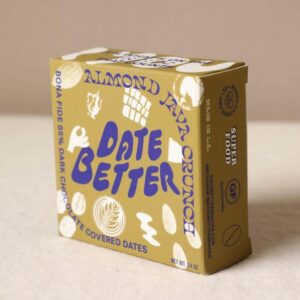
Get a Custom Corrugated Box Quote from LansBox
What Are the Different Flute Types and Their Benefits?
Common flutes—A, B, C, E, and F—offer different thickness, cushioning, and printability. A‑flute gives strong cushioning and stacking resistance for fragile goods; B‑ and C‑flutes balance protection and economy for general shipping; E‑ and F‑flutes are thin and provide a smoother surface for high‑quality printing and smaller packs. Printability improves as flute height decreases because the surface is flatter; thicker flutes increase compressive strength and cushioning. For e‑commerce brands, pairing an E‑flute exterior for strong unboxing visuals with internal inserts or a protective inner layer can deliver both brand impact and transit protection.
Selecting the right flute requires weighing transit risk against visual requirements, which leads into the choice between mailers and shipping cartons.
How Do Mailer Boxes and Shipping Boxes Differ for Brand Needs?
Mailer boxes focus on the unboxing experience and branding—often using single‑wall E‑flute or coated liners, printed interiors, and tuck closures for customer‑facing shipments. Shipping boxes emphasize protection and stacking strength, typically using single‑ or double‑wall C‑ or B‑flute constructions with simple printing to control cost. Mailers reduce void fill and are optimized for direct‑to‑consumer presentation; shipping cartons are engineered for multi‑node logistics and palletized handling. Hybrid approaches—sturdy outer shipping cartons paired with branded inner mailers—combine transit resilience with a premium unboxing moment.
When deciding between mailer and shipping boxes, consider transit complexity, desired brand impact, and the tradeoff between packaging cost and protection. Suppliers that offer multiple printing and converting options speed prototyping and iteration; LansBox’s corrugated capabilities make us a viable partner for brands needing custom printed solutions and scalable production.
LansBox offers custom printed boxes and packaging solutions for categories including cosmetics, gifts, retail, jewelry, and food. If you’re an e‑commerce or D2C brand looking for a partner with flexible printing and converting options—whether you want short‑run digital proofs or long‑run flexo or litho‑lamination—reach out for a custom quote to validate materials, print methods, and lead times.
- Define product protection needs: weight, fragility, stacking.
- Select construction: match wall/flute to protection and printing needs.
- Prototype and test: perform drop and compression tests before final approval.
Following these steps helps ensure packaging meets logistics requirements and brand objectives.
Get a Custom Quote from LansBox to begin testing board options and print methods for your SKU.
How Corrugated Boxes Are Made | FAQs
What are the environmental impacts of corrugated box manufacturing?
The main environmental impacts come from raw material sourcing, energy use, and waste. Using recycled linerboard significantly reduces carbon footprint by cutting virgin fiber demand. Energy‑efficient production, reduced water use, and lower emissions further mitigate impacts. Many brands now specify eco‑friendly materials and optimized designs to reduce waste—choices that both lower environmental cost and strengthen brand reputation with sustainability‑minded customers.
How can I ensure the quality of custom corrugated boxes?
Quality comes from a rigorous QC process across manufacturing stages. Regular mechanical tests—burst strength, edge crush test (ECT), and box compression test (BCT)—verify performance. Require prototype testing, request mechanical test reports that reflect your distribution profile, and set clear acceptance criteria. Open communication with suppliers and defined inspection checkpoints reduce defects and ensure the final product meets both functional and visual requirements.
What are the cost factors to consider when choosing corrugated boxes?
Key cost drivers include material choice, manufacturing process, and printing method. Kraft vs. recycled linerboard affects both cost and strength. Design complexity—die‑cutting versus rotary cutting—also changes tooling and per‑unit cost. Printing choices matter: flexo is economical for large runs, while digital makes sense for short runs. Balance these factors against protection and branding needs to arrive at a cost‑effective solution.
How do I choose the right flute type for my product?
Choose a flute by assessing protection needs and visual goals. A‑flute offers strong cushioning for fragile items; B‑ and C‑flutes suit general shipping; E‑ and F‑flutes give a smoother surface for high‑quality printing. Consider weight, fragility, and distribution conditions to select the flute that balances protection with printability.
What role does testing play in the corrugated box manufacturing process?
Testing verifies that boxes meet required strength and performance levels. Common tests—burst strength, ECT, and BCT—measure resistance to impact, edge stacking, and compression. A multi‑stage inspection program with incoming material checks and inline sampling helps catch defects early, improving final quality and reducing transit damage.
What are the benefits of custom printed corrugated boxes for brands?
Custom printed corrugated boxes boost brand visibility and elevate the customer experience. High‑quality printing showcases logos, colors, and messaging for a memorable unboxing moment. Tailored designs also optimize protection for specific products, reducing damage rates and reinforcing brand identity. Well‑designed custom packaging differentiates a brand in the market and can increase customer loyalty and repeat purchases.
Conclusion
Understanding corrugated box manufacturing helps brands make informed choices that protect products and strengthen brand presentation. By selecting the right materials, constructions, and printing methods, you can optimize packaging for cost, performance, and visual impact. Partnering with an experienced manufacturer like LansBox streamlines the process and supports sustainability objectives. Contact us to explore tailored solutions for your packaging needs.
 EN
EN DE
DE FR
FR PL
PL PT
PT ES
ES JA
JA RU
RU AR
AR IT
IT NL
NL TR
TR KO
KO