

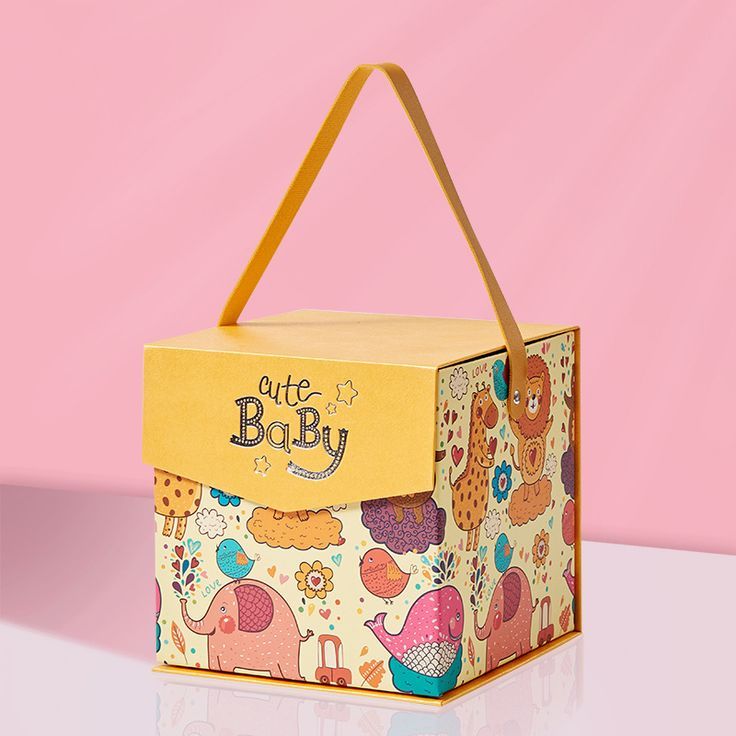
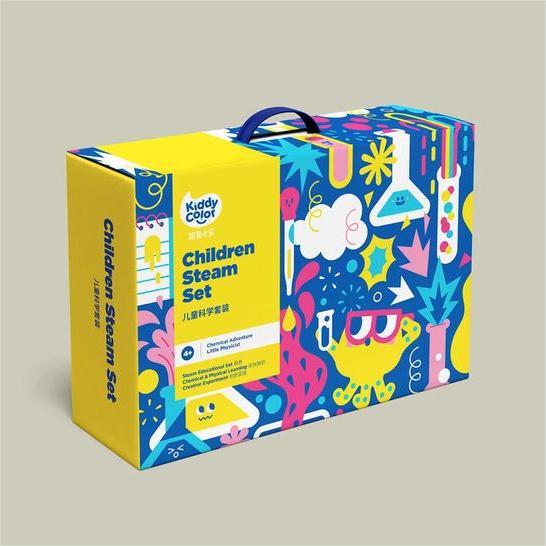
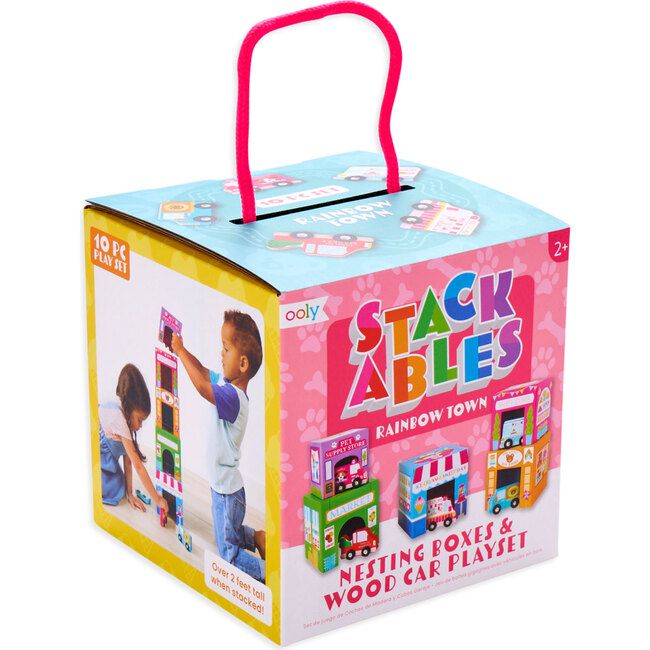
Selecting non-toxic materials for children’s toy packaging begins with certified, PVC-free paperboard and water-based inks. LansBox produces custom packaging using recyclable paper-based materials, avoiding harmful plastics. Brands should demand compliance with global safety standards, ensuring every component, from adhesives to finishes, meets strict non-toxic requirements for infant and child safety.
LansBoxで、おもちゃ用特注パッケージボックスの見積もりを依頼しましょう
What makes toy packaging safe?
Toy packaging safety rests on two pillars: the materials touching the product and the structural design preventing injury. Parents and grandparents consistently ask how to verify a toy is actually safe, which makes material selection the first checkpoint for any brand. Safe materials for toy packaging begin with eliminating toxic plastics from the supply chain.
What materials should toy brands avoid in packaging?
Toys themselves can contain hazardous plastics like PVC (#3-vinyl) and polycarbonate (#7 made with bisphenol A), according to Toxic-Free Future. Packaging carries the same risk profile when brands source unverified plastic inserts or windows. A non-toxic toy packaging box therefore excludes these materials entirely, favoring paper-based alternatives that meet safety standards without chemical leaching concerns.
How do recyclable materials support child safety?
LansBox provides recyclable, non-toxic materials across its packaging catalog. All of LansBox’s paper-based packaging solutions are 100% recyclable, which removes the disposal burden that plastic packaging places on families. Child-safe packaging materials work best when they serve dual functions: protecting the toy during transit and remaining harmless if a toddler handles the box itself.
Follow this sequence when specifying safe toy packaging:
Select paper-based substrates that exclude PVC and polycarbonate.
Confirm the supplier’s material certifications for non-toxic compliance.
Specify 100% recyclable finishes to eliminate chemical coatings.
Validate structural edges and closures for child-handling scenarios.
LansBox’s eco-friendly material options address both compliance and consumer trust, directing brands toward conversion points for custom packaging services.
Which materials should you avoid?
Toy packaging engineers face a short list of plastics that carry documented health risks. Two materials stand out as the most problematic for children’s products. Avoiding these substances protects both the end user and the brand’s compliance position.
Safe materials for toy packaging start with knowing what to reject. PVC is the soft, flexible plastic commonly found in bath toys, dolls, inflatables, and squeezy toys. Toxic-Free Future identifies PVC as one of the most toxic plastics used in children’s products. Polycarbonate is a hard plastic that baby bottles were made of, until bisphenol A (BPA) was banned in baby bottles by numerous states and the FDA.
Why is PVC dangerous in toy packaging?
PVC contains additives that leach out over time. These additives include phthalates and heavy metals. Children mouth toys constantly, which increases exposure risk. A non toxic toy packaging box eliminates this hazard entirely.
What replaces polycarbonate in child-safe packaging?
Child-safe packaging materials do not require polycarbonate. LansBox’s paper-based packaging is fully recyclable, offering a safer alternative to plastic. The company provides eco-friendly material options to replace hazardous plastics.
Follow these steps when auditing packaging materials:
Identify every plastic component in the current packaging line.
Flag any PVC or polycarbonate elements for immediate replacement.
Specify recyclable paper-based alternatives from LansBox.
Request material documentation before approving production samples.
Paper-based substrates remove the chemical risk profile entirely. LansBox delivers this safer option without sacrificing print quality or structural integrity.
LansBoxで、おもちゃ用特注パッケージボックスの見積もりを依頼しましょう
How do you pick safe paperboard?
Safe paperboard selection starts with verifying recyclability and material composition. A safe materials for toy packaging strategy demands substrates free from toxic coatings, heavy metals, and plasticizers that migrate during mouthing. LansBox manufactures paper-based packaging that is 100% recyclable, eliminating the chemical risks associated with PVC and polycarbonate plastics.
The substrate alone does not guarantee safety. Inks and adhesives applied during conversion introduce their own hazard profile. A non-toxic toy packaging box requires water-based or soy-based inks paired with low-VOC adhesives to prevent off-gassing inside sealed retail cartons. LansBox offers interior printing as well as exterior printing across all custom box styles, which means every printed surface must meet the same non-toxic standard. No hidden layer escapes scrutiny.
What file formats does a packaging manufacturer need for safe paperboard design?
LansBox accepts PSD, PDF, and JPEG files for paper box design submissions. Design teams submit structural dielines and print-ready artwork in these formats to begin the validation process. File accuracy prevents material waste and ensures coatings align precisely with cut lines.
How does prototyping reduce safety risks in paperboard packaging?
Physical prototyping catches hazards that digital proofs miss. LansBox offers prototyping to validate structure and print outcomes before mass production. A prototype reveals sharp edges, weak glue joints, and ink rub-off that compromise child-safe packaging materials. Testing a physical sample under real-world handling conditions confirms the box withstands crushing, tearing, and chewing without delaminating or releasing printed surface layers. Production proceeds only after the prototype passes structural and chemical safety checks.
What inks and coatings are safe?
Safe inks and coatings for toy packaging eliminate toxic chemical migration risks. Water-based and soy-based inks meet the strictest child-safe packaging materials standards without introducing heavy metals or volatile organic compounds.
Brands face a clear loss when they overlook ink chemistry. A package that looks vibrant on the shelf can leach harmful substances the moment a toddler mouths the box corner. That liability extends beyond regulatory fines to recall costs and permanent reputational damage.
How do water-based inks protect children?
Water-based inks use water as the primary solvent instead of petroleum derivatives. The formulation dries through absorption and evaporation, leaving behind pigment without residual solvents that off-gas or migrate. For safe materials for toy packaging, this matters because toddlers explore with their mouths. A non toxic toy packaging box printed with water-based inks eliminates the chemical exposure pathway that solvent-based alternatives create.
LansBox leverages modern CMYK printing and a wide set of embellishments to deliver consistent quality across production runs. The company offers creative design and printing services that pair these safer ink systems with precise color matching. Every custom box style receives interior printing as well as exterior printing, ensuring the entire surface that contacts the toy remains free of hazardous chemistry.
What coating options maintain safety compliance?
Aqueous coatings provide a water-based protective layer that seals printed surfaces without solvent carriers. UV coatings cure instantly under ultraviolet light, leaving no residual chemicals when properly formulated. Both options outperform traditional varnishes that rely on petroleum-based solvents.
The material choice extends beyond the coating itself. All of LansBox’s paper-based packaging solutions are 100% recyclable, supporting safe disposal after the unboxing moment. A package that protects the toy and then breaks down cleanly in the recycling stream closes the safety loop. Supply chain managers who specify aqueous or low-migration UV coatings gain documented compliance without sacrificing the tactile and visual qualities that drive purchase decisions.
How do you verify compliance?
Verification demands a systematic review of materials, processes, and documentation. Toy packaging compliance hinges on three pillars: material safety certification, production quality inspection, and supply chain transparency.
What documentation proves a packaging material is non-toxic?
Suppliers must provide third-party lab reports confirming the absence of restricted substances. These reports validate that safe materials for toy packaging meet regional standards for heavy metals, phthalates, and formaldehyde. A non-toxic toy packaging box requires certificates from accredited testing bodies, not internal assurances. Brands should request documentation for every material lot. Inconsistent paperwork signals gaps in the compliance chain.
LansBoxで、おもちゃ用特注パッケージボックスの見積もりを依頼しましょう
How does production oversight prevent contamination?
On-site quality inspection catches risks that paperwork misses. LansBox conducts thorough quality inspections, examining child-safe packaging materials at multiple production stages. Inspectors verify that adhesives, inks, and coatings match the certified formulations. They also check for physical hazards like sharp edges or loose components. This layered approach prevents non-compliant units from reaching distribution centers.
Request material safety data sheets and third-party test reports before production begins.
Confirm that the manufacturer performs in-process inspections, not just final checks.
Audit the facility’s segregation protocols for compliant and non-compliant materials.
Validate that finished packaging matches the approved prototype through random sampling.
Production timelines affect verification depth. LansBox’s production times typically range from 10 to 30 business days, a window that accommodates rigorous inspection without derailing launch schedules. Rushed orders skip critical verification steps. The company’s location in Lanxi, Zhejiang, China, and over 15 years of category experience support a mature quality management system. Supply chain efficiency compounds these gains. LansBox can boost inventory turnover by 15% or more, freeing capital for additional compliance investments. Verification is not a checkpoint. It is a continuous discipline embedded in every production run.
よくある質問
What materials should toy brands avoid in packaging?
Toy brands should avoid PVC (3-vinyl) and polycarbonate (7 with bisphenol A). These plastics contain additives like phthalates and heavy metals that leach out and pose health risks to children.
How do recyclable materials support child safety?
LansBox’s paper-based packaging is 100% recyclable, removing plastic disposal burdens. Recyclable paper materials remain harmless if a toddler handles the box, serving dual functions of protecting the toy and ensuring child safety.
What certifications should brands confirm for non-toxic compliance?
Brands should confirm the supplier’s material certifications for non-toxic compliance. LansBox produces custom packaging using recyclable paper-based materials that meet global child safety standards, avoiding harmful plastics entirely.
結論
Choosing non-toxic materials for children’s toy packaging comes down to a disciplined review of substrates, inks, coatings, and certifications. Brands that specify recyclable paper-based structures, water-based or soy-based inks, and aqueous or low-migration UV coatings, then verify each material lot with third-party reports and in-process inspections, remove the chemical exposure pathways that create liability. The next step is to request material safety documentation. A physical prototype before committing to production, ensuring every box that reaches a child’s hands meets the same safety standard as the toy inside.
 EN
 DE
 FR
 PL
 PT
 ES
 JA
 RU
 AR
 IT
 NL
 TR
 KO