

Dimensional weight fees stem from excess box volume, not actual product weight. Measure your product closely and choose a self-seal mailer with minimal interior gap—oversized boxes can inflate shipping costs by 5–15%. LansBox designs flexible order sizes and custom dimensions to fit products precisely, cutting wasted cubic space and avoiding DIM weight penalties.
Self-seal mailer boxes avoid dimensional weight fees when dimensions match product size within a small margin. Carriers calculate charges using length times width times height divided by a DIM factor, not actual weight. LansBox engineers mailer boxes to client-specified dimensions, eliminating excess interior volume. Brands cutting box volume typically see measurable savings on multi-package shipments through tighter-fitting, custom-built structures rather than generic stock sizes.
What Do You Need Before Sizing A Mailer?
Three things come before any box gets ordered: a physical product sample, exact design files, and a realistic order quantity. Skip any one of these and the sizing process stalls. Worse, ships a mailer that wastes cubic space and invites extra fees. A smart mailer box size guide starts with preparation, not guesswork.
Design files come first on the checklist. LansBox accepts PSD, PDF, and JPEG files for custom paper box submissions, which means operations teams can hand over exact dimensions, bleed lines, and branding elements before a single unit gets cut. No back-and-forth over vague specs. No guessing what “close enough” means on a production floor.
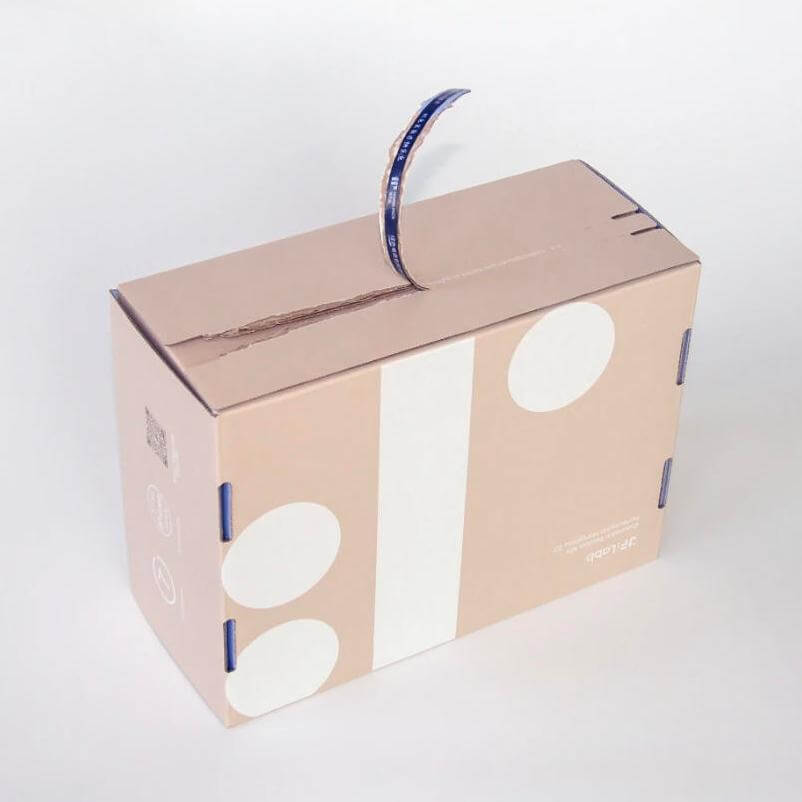
Get a Custom Self-Seal Mailer Box Quote from LansBox
How many boxes should a brand order to test sizing?
Nobody needs a warehouse full of boxes to validate a size. LansBox offers flexible order sizes, so a logistics manager can test a right-sized mailer in a small batch first. Bulk commitment comes later, once the fit is proven against real products and real shipping costs.
Minimum order quantities vary based on product type and customization level, including options like foil stamping and interior printing.
Does sizing actually take long?
Not once the process is dialed in. Measuring and sizing a single product runs about 15 to 20 minutes after a team has done it a couple of times. The real time sink is the first round — after that, it’s routine.
How Do You Measure Your Product Accurately?
Accuracy starts with two tools, not guesswork. A shipping scale accurate to the ounce gives operations teams the precise weight data needed for products under five pounds. Even small errors skew the shipping calculation and inflate costs. A soft fabric tape measure comes next. It wraps around curves and odd angles that a rigid ruler simply can’t follow. Together, these two tools form the foundation of any reliable mailer box size guide, and skipping either one invites bad data into the packaging decision.
Odd-shaped products cause the most trouble. A rigid tape measure forces awkward straight-line estimates on items that bulge, taper, or fold. A soft fabric tape measure conforms to the actual surface, producing dimensions that match reality instead of approximation.
Why does product weight matter before choosing a box?
Weight determines whether dimensional weight charges apply to a shipment. Carriers price based on the greater of actual weight or calculated volume. Precise ounce-level data prevents brands from underestimating a product’s true shipping class. Skipping this step means finding out the hard way, at invoice time, that the box cost more to ship than expected.
Once dimensions and weight are locked in, brands gain room to test the packaging itself. LansBox prints on both the interior and exterior surfaces of every custom box style. Teams can confirm branding placement fits the final measurements before committing to volume. Production timelines typically run 10 to 30 business days, which leaves a practical window to catch sizing errors before mass production locks them in.
Operational leaders ready to translate accurate measurements into a finished box design can request a custom quote directly from LansBox’s packaging team.
How Do You Calculate Dimensional Weight Charges?
Carriers price a shipment by the cubic space it occupies, not just by the number on the scale. Dimensional weight charges apply whenever a box’s calculated volume weight exceeds its actual weight. Carriers bill whichever figure is higher. A lightweight product in an oversized box gets penalized for wasted space, even if it weighs almost nothing.
The math itself is simple, but the consequences of skipping it are not. Cut Shipping Costs With Dimensional Weight Calculations explains that dimensional weight measures how much room a package takes up on a truck, regardless of its actual heft. Misjudging that formula, or ignoring it altogether, can inflate shipping costs by 5 to 15 percent, according to Staci Americas. That range compounds fast across thousands of monthly shipments.
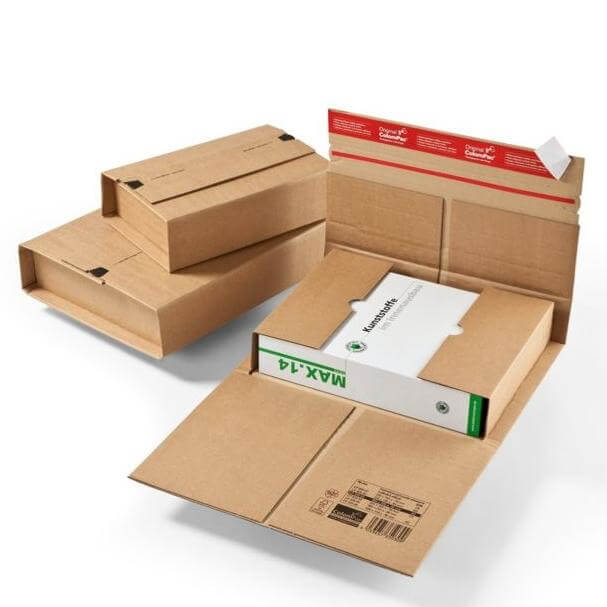
Get a Custom Self-Seal Mailer Box Quote from LansBox
What’s the fastest way to avoid overpaying?
Match box dimensions to the product before it ships, not after the invoice arrives. A properly sized mailer eliminates the excess cubic inches carriers charge for, closing the gap between actual weight and dimensional weight.
Can packaging partners help manage this?
Some fulfillment partners fold sizing checks directly into production and logistics workflows. LansBox’s supply chain solutions combine optimized order processing, quality inspection, and warehousing so operations teams can verify box dimensions against carrier requirements before goods ever leave the warehouse. Coordinated programs like these are designed to boost inventory turnover by more than 15%, trimming storage costs alongside shipping fees. For brands weighing whether a slim mailer or a rigid box fits their fulfillment volume, that kind of built-in size accountability closes a gap that spreadsheets alone rarely catch.
Should You Choose A Mailer Or Standard Box?
A mailer works best for light, durable products. A standard corrugated box wins for fragile or high-value goods needing structural protection. The decision reaches far past the shipping label. Material choice shapes total transit cost, the unboxing moment customers photograph and share, and a brand’s sustainability record.
Cost calculations can’t stop at the price tag on the box itself. Operational leaders need to weigh dimensional weight charges against labor time and warehouse footprint. A box that costs less upfront can still inflate every other line item. A slim mailer might save pennies on packaging while adding minutes to fulfillment if products shift during transit and require repacking. Storage space matters too: bulky standard boxes eat warehouse square footage that lightweight mailers don’t.
What Factors Determine Mailer Vs. Box Selection?
Product fragility sits at the top of the list, followed closely by weight, presentation goals, and carrier pricing structures. Apparel, soft goods, and low-fragility items generally ship well in mailers. Electronics, glass, and stacked multi-item orders usually need the rigidity a corrugated box provides.
Brands chasing lower shipping spend without sacrificing quality have options beyond guesswork. LansBox’s paper-based packaging comes fully recyclable, giving operations teams a sustainable mailer path that doesn’t compromise on structural performance. Eco-friendly material options paired with flexible order sizes let founders match packaging weight. Dimensions to actual product needs rather than defaulting to oversized stock boxes. That precision — not brand preference — is what separates a smart mailer box size guide from a costly guess. Teams ready to right-size their packaging can request a custom quote and consultation to match structure, material, and order volume to their shipping profile.
What Mistakes Trigger Surprise Dimensional Weight Fees?
Oversizing the box tops the list. A lightweight product rattling around inside a box built for something bigger forces carriers to charge for the space it occupies, not what it weighs. That box is paying to move empty air. Cardboard costs a few extra cents; the freight bill is where the real damage happens.
Skipping a prototype run compounds the error. Brands that lock in production dimensions from a spec sheet, without testing a physical sample first, often discover the mismatch only after a full batch has shipped. LansBox accepts PSD, PDF, and JPEG files for box design submissions specifically so sizing problems surface during prototyping instead of after the fact.

Get a Custom Self-Seal Mailer Box Quote from LansBox
How Long Does It Take to Fix a Sizing Mistake?
Production timelines matter here. LansBox typically runs jobs across a 10-to-30-business-day window, which leaves a margin to catch and correct a sizing error before a full production run locks in the wrong dimensions.
Does Box Size Affect Inventory, Not Just Shipping?
Yes, and this is the mistake most operations teams miss. Mis-sized boxes sit awkwardly in warehouse space, slow picking, and tie up cash in inventory that doesn’t move efficiently. Coordinated packaging and logistics work, the kind built into a consolidated supply chain approach, is designed to elevator inventory turnover by 15%+, freeing up capital that oversized boxes would otherwise trap on the shelf.
Common triggers worth flagging before the next production run:
Ordering standard box sizes without measuring the actual product footprint
Skipping the prototype stage to save a few days
Ignoring warehouse fit alongside shipping cost
Treating box specs as fixed once approved, never revisited
Brands ready to correct these patterns can connect directly with LansBox for a custom packaging quote and consultation.
FAQ
How much can oversized boxes add to shipping costs?
Oversized boxes inflate shipping costs by 5–15% due to excess cubic space. LansBox designs custom dimensions that match products precisely, eliminating this wasted volume and the resulting fees.
What tools measure a product accurately for mailer sizing?
A shipping scale accurate to the ounce measures weight. A soft fabric tape measure captures dimensions on curves and odd angles. Both tools prevent bad data from skewing the shipping calculation.
What must a brand prepare before ordering a custom mailer box?
A physical product sample, exact design files, and a realistic order quantity come first. LansBox accepts PSD, PDF, and JPEG files, letting teams submit precise dimensions and branding details upfront.
Conclusion
In closing, right-sizing your self-seal mailer boxes directly protects your bottom line by eliminating dimensional weight surcharges that erode margins on every shipment. By aligning box dimensions with product volume, you reduce wasted space, lower carrier fees, and accelerate inventory turnover—all while strengthening the unboxing experience that builds customer loyalty. Partner with a packaging manufacturer who understands both the engineering and the economics of your supply chain to transform a compliance challenge into a competitive advantage.
 EN
EN DE
DE FR
FR PL
PL PT
PT ES
ES JA
JA RU
RU AR
AR IT
IT NL
NL TR
TR KO
KO