

Printing on corrugated boxes does more than hold your product — it shapes first impressions. This guide walks you through the most practical printing methods, how to prepare print-ready artwork, and eco-friendly options that fit modern brands. If you sell online or run a D2C business, choosing the right print approach can boost brand recognition and cut waste. Many teams struggle withfinding the right printing method that balances finish, budget, and sustainability. Below we outline best practices, the impact on cost, and how smart print choices strengthen your brand identity.
A solid grasp of packaging printing methods and basic design principles is key to hitting those goals.
Packaging Printing Techniques & Graphic Design Principles
A concise review of core principles and methods used in colour printing for packaging, including relevant issues in graphic design, reprographics and production techniques.
Printing for packaging, 2012
Which Printing Methods Work Best for Corrugated Boxes?
Several printing methods are standard for corrugated boxes — each suits different volumes, finishes, and budgets. The most common are digital, flexographic and lithographic printing. Below we explain what each delivers so you can match method to your project.
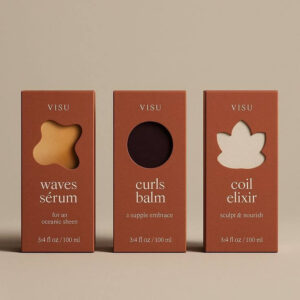
Get a Custom Corrugated Box Quote from LansBox
How Does Digital Printing Improve Custom Corrugated Boxes?
Digital printing puts full-colour artwork directly onto corrugated board with minimal setup. It’s ideal for short runs, seasonal packaging, or frequent design updates because it avoids costly plates and long lead times. Expect crisp details and vibrant colour on small to medium batches, and the flexibility to print only what you need.
Why Choose Flexographic Printing for High-Volume Box Production?
Flexographic (flexo) printing uses flexible plates and is built for speed and scale. It lowers the unit cost on large runs and handles solid colours and simple artwork very efficiently. If you need thousands of boxes with consistent branding, flexo is often the most economical and reliable choice.
How to Prepare Your Artwork for Corrugated Box Printing
Good artwork preparation prevents delays and ensures predictable print results. That means using the right file formats, colour settings and layout practices that fit your chosen printing process.
Which File Formats and Colour Models Should You Use?
Deliver files in print-ready formats such as PDF, AI or EPS to preserve vector artwork and fonts. Set colours to CMYK for accurate reproduction — RGB can shift once printed. Aim for 300 DPI for raster images and include bleed where needed to avoid white edges after cutting. These steps reduce surprises at print time.
How Should You Design for Interior and Exterior Box Printing?
Exterior prints should carry your core branding and essential product details at a glance. Interior printing is a chance to surprise customers — brand messages, patterns or simple notes that elevate the unboxing moment. Keep functionality in mind: use inks and layouts that won’t bleed or obscure folding lines, and consider eco-friendly ink options where possible.
Pre-Print vs. Post-Print: What’s the Difference?
Choosing between pre-print and post-print affects detail, cost and production flow. Both have clear use cases — the right one depends on run size and the print quality you need.
How Does Pre-Printing Influence Quality and Cost?
Pre-printing applies graphics to the corrugated liner before the board is formed, producing more consistent colour and finer detail because the surface is flat during printing. It’s a great option for large-volume jobs where quality must be repeatable, though setup adds cost — so it’s best for higher-volume runs.
The industry has long noted the quality advantage that pre-printing provides for corrugated board.
Pre-Print vs. Post-Print for Corrugated Box Quality
Historically, high-quality packaging prints were achieved through pre-print methods. For corrugated board, the print paper is applied to the flutes before forming the box, resulting in superior colour and detail compared with post-print processes.
High speed print registration and colour quality control, PD King, 1995
When Is Post-Printing the Better Option?
Post-printing adds graphics after the boxes are formed. It’s flexible and usually more cost-effective for smaller batches or frequent design changes. While detail can be slightly less refined than pre-printing, post-printing is practical for custom runs and fast-turn projects.
How Eco-Friendly Printing Choices Help Your Packaging
Sustainable printing options cut environmental impact and can strengthen your brand story. Choosing recycled materials and greener inks also resonates with customers who care about sustainability.
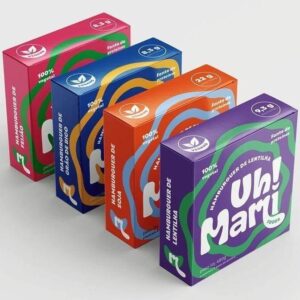
Get a Custom Corrugated Box Quote from LansBox
What Sustainable Materials and Inks Are Available?
Eco-conscious printing commonly uses recycled board plus vegetable- or soy-based inks. These options reduce reliance on virgin fibres and lower the environmental footprint of production. Where possible, select inks and processes that are low in VOCs and compatible with standard recycling streams.
Several brands now lead by example with genuinely greener printing and packaging choices.
Eco-Friendly Inks & Recyclable Cardboard Packaging
Buxton adopts 100 per cent vegetable-based inks, alcohol-free printing and offers carbon-neutral services while using recyclable cardboard packaging.
Feeding the world, 2019
How Does Eco-Friendly Printing Support Sustainability Goals?
Using sustainable materials and inks visibly supports a brand’s environmental commitments and appeals to eco-aware customers. Beyond marketing, these choices can reduce waste, lower lifecycle emissions and help meet corporate sustainability targets — often improving customer loyalty as a result.
What Drives the Cost of Custom Printed Corrugated Boxes?
Several variables determine the price of custom-printed boxes. Knowing which factors matter most helps you balance quality and budget.
How Do Order Volume and Printing Method Affect Price?
Order size is one of the largest cost drivers: larger runs typically lower the cost per unit. The printing method also matters — digital printing favors short runs, while flexo becomes cheaper on higher volumes. Choose the method that matches your quantity, timeline and design complexity.
What Are the Benefits of Flexible Order Sizes and Volume Discounts?
Flexible ordering and volume discounts allow you to optimize inventory and reduce unit costs. For businesses with variable demand, smaller, more frequent runs or staggered orders can prevent overstock while still taking advantage of pricing tiers where possible.
How Custom Printed Corrugated Packaging Helps E-commerce and D2C Brands
Thoughtful custom printing does more than identify a package — it creates a stronger brand experience for online shoppers and supports operational efficiency.
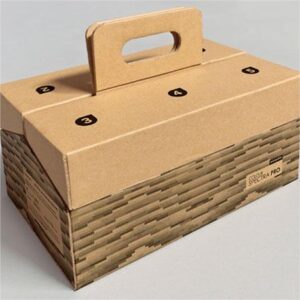
Get a Custom Corrugated Box Quote from LansBox
How Does Custom Printing Improve Brand Identity and Unboxing?
Well-designed printed packaging makes your brand instantly recognisable and turns unboxing into a memorable moment. Clear, on-brand visuals and messaging can increase repeat purchases and social sharing — small design choices often deliver outsized marketing returns.
What Supply Chain Solutions Support Efficient Packaging and Shipping?
Smart box design reduces wasted space, lowers shipping costs and protects products in transit. Integrating packaging decisions into your supply chain — from right-sizing parcels to sustainable materials — streamlines fulfillment and reduces returns and damage.
| Printing Method | Advantages | Best Use Cases |
|---|---|---|
| Digital Printing | High customisation, cost-effective for short runs | Short runs, detailed or variable designs |
| Flexographic Printing | Fast production, lower unit cost at scale | High-volume orders, simple colour work |
| Screen Printing | Durable results, vivid colours and special effects | Specialty boxes, tactile or textured finishes |
This table highlights each method’s strengths to help you pick the right process for your packaging goals.
| Cost Factor | Description | Impact on Pricing |
|---|---|---|
| Order Volume | Larger runs usually lower the cost per unit | High |
| Printing Method | Different technologies come with different setup and run costs | Medium |
| Material Quality | Better substrates and finishes increase total cost | High |
Knowing these factors helps you plan budgets and choose the most cost-effective production route.
In short, understanding how to print on corrugated boxes gives you control over quality, cost and brand impact. With the right printing method, prepared artwork and sustainable choices, you can create packaging that looks great, performs well and supports your brand’s values.
How to Print on Corrugated Boxes | FAQs
What is the difference between screen printing and other printing methods for corrugated boxes?
Screen printing uses a mesh stencil to build up ink layers, producing bold, durable colours and special finishes. It’s well suited to small, specialty runs and textured effects. Compared with digital or flexo — which are often faster or cheaper for larger quantities — screen printing is chosen when you need vivid colour, unique inks or tactile results.
How can I ensure my designs are print-ready for corrugated boxes?
Start with vector files where possible (AI, EPS, PDF), set colours to CMYK, use 300 DPI for images, and include bleed and safe zones. Check dielines and panel layouts with your printer to avoid problems at the folding and cutting stages. Early collaboration with production ensures a smoother print run.
What are the environmental benefits of using recycled materials for corrugated box printing?
Recycled board reduces demand for virgin fibre, lowers energy use in material processing and cuts landfill waste. Using recycled materials also supports circular packaging strategies and can help brands meet sustainability commitments that matter to customers and stakeholders.
How does the choice of ink affect the sustainability of corrugated box printing?
Inks matter: vegetable- and soy-based inks typically have lower VOCs and are easier to recycle with the cardboard stream than some petroleum-based alternatives. Choosing eco-friendly inks reduces environmental impact and keeps finished packaging aligned with recycling systems.
What are the advantages of using custom printed boxes for E-commerce businesses?
Custom printed boxes boost brand visibility, improve perceived value and create a memorable unboxing experience — all of which drive customer loyalty. They can also be tailored to fit products securely, lowering shipping costs and damage claims.
How can I choose the right printing method for my specific packaging needs?
Match method to your priorities: pick digital for short, flexible runs; choose flexo for high-volume, cost-efficient production; and consider screen for specialty finishes. Evaluate order size, design complexity and timeline, and consult with your printer to finalise the best route.
Conclusion
Getting printing right on corrugated boxes is a strategic move — it elevates brand presence, improves customer experience and can support sustainability goals. By selecting the appropriate printing method, preparing artwork correctly, and choosing greener materials where possible, you’ll produce packaging that looks professional and performs reliably. Ready to explore custom printing solutions for your boxes? Discover how our approach can transform your packaging today.
 EN
EN DE
DE FR
FR PL
PL PT
PT ES
ES JA
JA RU
RU AR
AR IT
IT NL
NL TR
TR KO
KO