

Understanding the details on your face cream box is key to ensuring your product is legally sound, clearly communicates its contents, and builds genuine trust with your customers through smart design. This guide will walk you through the essential regulations for cosmetic labels, how to decipher the INCI ingredient list, the meaning behind those common packaging symbols, and why thoughtful label design is crucial for your brand’s credibility. We’ll also explore how Lansbox’s custom printed box solutions can help you achieve compliance, embrace sustainability, and make your brand truly stand out. By the end, you’ll be equipped to understand every detail on your face cream box and elevate your entire packaging strategy.
What Are the Must-Know Regulations for Face Cream Box Labels?
Cosmetic packaging needs to carry specific information to meet global standards and keep consumers safe. Regulatory bodies like the FDA in the US, the EU Cosmetics Regulation, and MoCRA lay down the fundamental requirements for every face cream box, ensuring transparency and traceability.
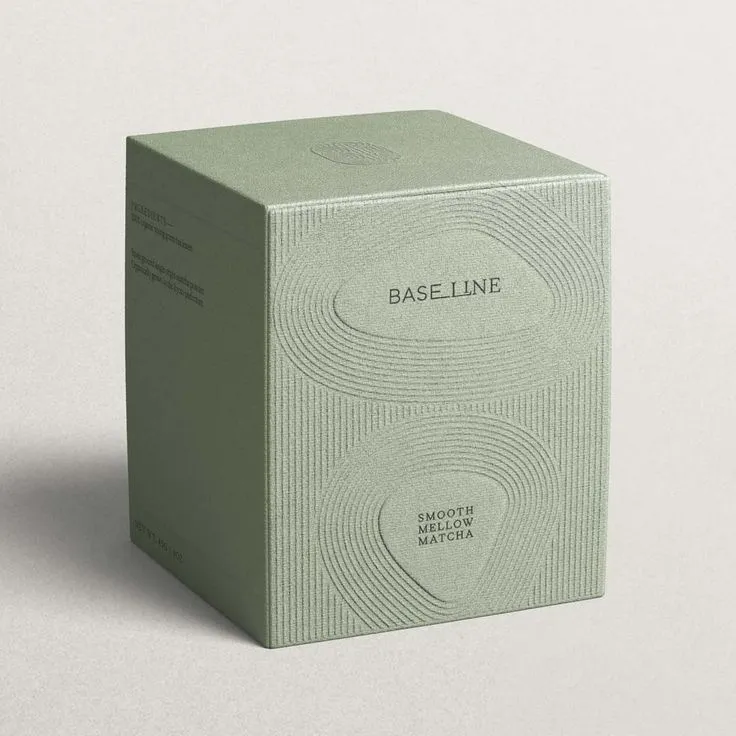
Get a Custom Face Cream Box Quote from LansBox
What Information Is Legally Mandated on Cosmetic Labels?
Every face cream box must clearly display essential product details to satisfy legal obligations and inform consumers. These non-negotiable elements include:
- Product Identity and Net Quantity: The product’s name, followed by the amount of cream by weight or volume.
- Ingredient Declaration: A complete INCI list, detailing all ingredients from most to least concentrated.
- Manufacturer or Distributor Details: The company’s name and address for easy traceability.
- Batch or Lot Code: A unique identifier for quality control and potential recall management.
- Expiration Date or PAO Symbol: Either a “Best Before End” date or a Period After Opening indicator.
- Usage Instructions and Warnings: Clear guidance on how to use the product safely, along with any necessary cautionary notes.
These components are the bedrock of consumer safety and legal adherence. Now, let’s look at how different regulatory landscapes shape these labeling demands.
How Do FDA, EU, and MoCRA Rules Impact Face Cream Labeling?
While major cosmetic regulators each have their own specific rules, they all aim for safety and transparency. The FDA’s Fair Packaging and Labeling Act requires an ingredient list, net quantity, and manufacturer details. MoCRA further enhances this by adding requirements for reporting adverse events for US products. In the EU, the Cosmetic Products Regulation (EC) No 1223/2009 standardizes the INCI list, mandates contact information for the Responsible Person, and requires proof of safety assessments. Understanding these nuances helps brands navigate international compliance smoothly and avoid costly setbacks.
Navigating EU and US Cosmetics Regulations
This study compares the EU Cosmetics Regulation (EC) No 1223/2009 and the US Modernization of Cosmetics Regulation Act (MoCRA), highlighting their similarities and differences. It offers new compliance strategies for manufacturers in both regions, covering crucial aspects like product labeling and safety evaluations, essential for seamless cross-border operations.
This research directly supports our discussion on key regulatory requirements for cosmetic labels, specifically comparing FDA, EU, and MoCRA regulations and their influence on labeling practices.
What Common Labeling Compliance Errors Should Brands Watch Out For?
Brands often encounter issues during label production by missing required elements or formatting text incorrectly. Common mistakes include:
- Forgetting to list all INCI ingredients, especially those soluble in water or part of a fragrance blend.
- Showing the net quantity in non-standard units or using font sizes smaller than legally permitted.
- Placing the batch code in a location other than the primary display panel, complicating recall procedures.
- Making unverified claims (e.g., “clinically proven” without supporting data).
- Overlooking language requirements for markets with multiple official languages.
Avoiding these pitfalls ensures your face cream box remains compliant and consumer-ready, making ingredient decoding straightforward.
How to Decipher the Cosmetic Ingredient List (INCI) on Face Cream Labels
The INCI list is a globally recognized system for naming cosmetic ingredients. Reading it correctly reveals a product’s effectiveness, potential safety concerns, and the brand’s formulation priorities.
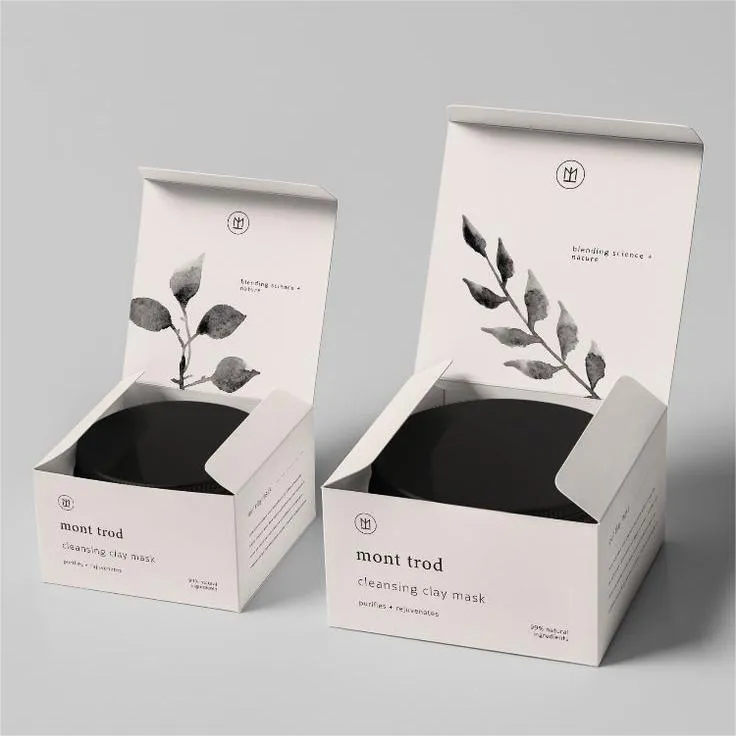
Get a Custom Face Cream Box Quote from LansBox
What Is the INCI List and Why Is It So Important?
An INCI list is a standardized roster of ingredients required on all cosmetic packaging, designed for clear global communication. By using standardized names in Latin or English, it prevents misleading proprietary labeling and allows consumers and regulators to identify every substance. For instance, “Aqua” is the INCI name for water, while “Citrus Aurantium Dulcis Peel Oil” identifies orange peel oil.
INCI – The Standard for Cosmetic Ingredients Worldwide
The International Nomenclature Cosmetic Ingredient (INCI) system provides globally recognized, systematic names for cosmetic ingredients. Developed by the International Nomenclature Committee (INC) and published by the Personal Care Products Council (PCPC) since 1973, INCI names ensure consistent ingredient identification for consumers, scientists, and regulators worldwide, promoting transparency in cosmetic formulations.
This citation confirms the definition and significance of the INCI list as a standardized ingredient roster on cosmetic packaging, as detailed in our section on decoding cosmetic ingredient lists.
How Are Ingredients Arranged on Face Cream Labels?
Ingredients are listed in descending order based on their concentration, down to the 1 percent mark. Ingredients present in amounts less than 1 percent can be listed in any order. This arrangement clearly indicates which components are primary in the formula and which are present in smaller, supporting roles. Understanding this convention helps you assess the potential impact of each ingredient.
Which Active Ingredients Should You Be Looking For?
Active ingredients are those that provide tangible benefits like hydration, exfoliation, or anti-aging effects. Face cream labels often highlight key actives such as:
- Hyaluronic Acid – Boosts hydration by attracting and retaining water molecules
- Niacinamide – Brightens skin and strengthens its barrier function (Vitamin B3)
- Retinol – Stimulates collagen production to minimize fine lines
- Peptides – Small protein fragments that help improve skin firmness and elasticity
- Ceramides – Essential lipid molecules that help repair and maintain the skin’s natural barrier
Identifying these actives early on allows you to evaluate product claims and understand its market positioning.
How Can You Spot Potential Allergens and Problematic Additives?
Recognizing ingredients that might cause irritation is crucial for protecting sensitive skin and adhering to regulatory allergen disclosure rules. The table below outlines common concerns:
| Additive | Potential Issue | Origin |
|---|---|---|
| Fragrance (Parfum) | Can cause skin irritation and allergic reactions | A complex blend of aromatic compounds |
| Methylisothiazolinone | Known to trigger allergic contact dermatitis | A preservative frequently used in water-based cosmetics |
| Sodium Lauryl Sulfate | May strip the skin of its natural oils, leading to dryness | A surfactant and foaming agent |
| Parabens | Concerns regarding potential endocrine disruption | Common preservatives like methylparaben, propylparaben |
| Alcohol Denat. | Can be drying and irritating to the skin | A solvent and preservative |
What Do the Common Symbols on Face Cream Packaging Signify?
Symbols found on cosmetic boxes provide essential information about usage, safety, and sustainability at a quick glance. Understanding these icons builds consumer confidence and promotes environmental awareness.
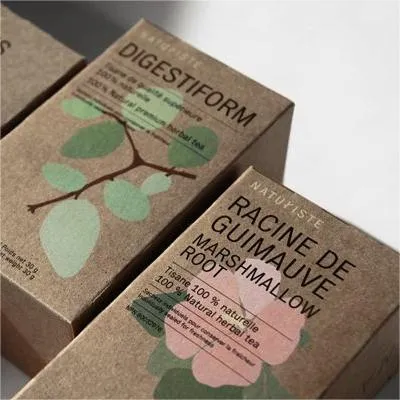
Get a Custom Face Cream Box Quote from LansBox
What Does the PAO (Period After Opening) Symbol Mean?
The open-jar icon, often paired with a number and “M” (e.g., 12 M), indicates the number of months the product remains effective and safe after it has been opened. The PAO reflects the product’s stability against microbial contamination, especially when preservatives are minimal. For example, “6 M” suggests the cream should be used within six months of opening to ensure optimal performance and safety.
How Do Recycling and Sustainability Symbols Guide Consumers?
Eco-labels are designed to inform consumers about responsible packaging choices and proper disposal methods:
- The Mobius Loop (three chasing arrows) signifies that the packaging material is recyclable.
- Chasing Arrows with a Percentage indicate the amount of post-consumer recycled (PCR) content used in the packaging.
- An icon depicting a Leaf or Seedling suggests the material is bio-derived or compostable.
What Other Important Safety Symbols Might Appear on Cosmetic Packaging?
In addition to PAO and recycling marks, labels may feature:
| Icon | Meaning | Consumer Implication |
|---|---|---|
| Flame symbol | Contains flammable ingredients | Keep away from heat sources or open flames |
| Leaping Bunny | Certified cruelty-free | No animal testing was conducted on the product or its ingredients |
| Dermatologist-Tested Badge | Product has undergone testing by dermatologists | Indicates the formulation has been evaluated for skin compatibility |
How Can Smart Label Design Elevate Your Face Cream Packaging?
Label design is more than just looks; it’s about guiding the user’s experience, reinforcing your brand’s identity, and influencing purchasing decisions. A well-thought-out layout, material selection, and interactive features work together to build trust and provide clarity.
How Does Label Design Impact Consumer Perception and Trust?
Effectively designed labels prioritize readability, clearly communicate key benefits, and maintain consistent branding. When typography, color choices, and imagery align with your brand’s message, they:
- Boost credibility by logically organizing regulatory information.
- Reinforce product effectiveness by prominently featuring active ingredients.
- Forge an emotional connection through compelling visual storytelling.
What Material and Finish Options Are Ideal for Face Cream Labels?
Selecting the right substrate and finish can enhance durability, create a pleasing tactile experience, and maximize visual appeal. The table below compares popular choices:
| Material | Finish Option | Key Advantages |
|---|---|---|
| Matte Paper | Soft-Touch Lamination | Offers a luxurious feel and reduces glare |
| Glossy Paper | UV Coating | Intensifies color vibrancy and provides moisture resistance |
| Plastic Film | Embossing | Ensures durability and adds a tactile dimension to logos |
| Recycled Paper | Satin Coating | Environmentally friendly and cost-effective |
How Can Interactive Elements Like QR Codes Enhance Label Functionality?
Integrating QR codes and NFC tags transforms a standard label into a dynamic tool for customer engagement. By scanning, consumers can:
- Access detailed ingredient information or video tutorials.
- Confirm product authenticity through built-in anti-counterfeiting measures.
- Engage with loyalty programs or provide valuable feedback.
Smart labels effectively bridge the gap between on-pack information and digital resources, fostering deeper consumer trust and enabling data-driven marketing strategies.
How Lansbox Helps Create Custom Face Cream Box Labels That Meet Compliance and Branding Needs
Lansbox provides customized packaging solutions that seamlessly integrate essential label information into visually appealing designs. By combining regulatory know-how with cutting-edge printing technologies, Lansbox empowers brands to stand out while fulfilling all compliance requirements.
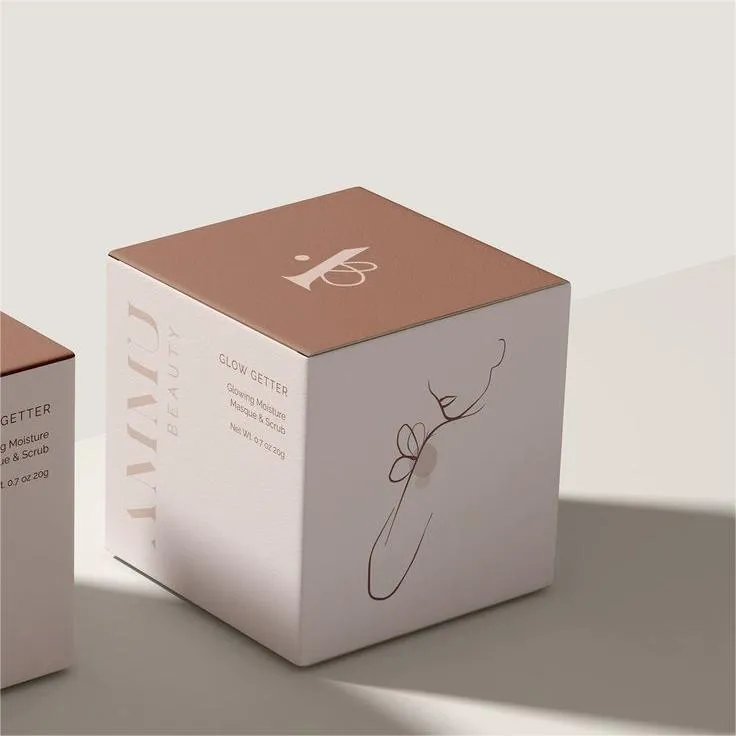
Get a Custom Face Cream Box Quote from LansBox
What Custom Printing Capabilities Does Lansbox Offer for Face Cream Boxes?
- Digital Printing: Ideal for shorter runs, offering quick turnaround times and precise color matching.
- Offset Printing: Optimized for larger print volumes, providing consistent cost-effectiveness per unit.
- CMYK and PMS Color Matching: Ensures your brand’s specific color palettes are accurately reproduced.
- Special Finishes: Including UV coating, soft-touch lamination, and embossing to achieve a premium look and feel.
How Does Lansbox Ensure Regulatory Compliance in Packaging?
Our deep understanding of cosmetic labeling regulations allows us to strategically place required elements—such as net quantity, batch codes, INCI lists, and warnings—in designated areas on the packaging. Pre-press checks meticulously verify font sizes, language requirements, and symbol accuracy before production begins. This thorough process minimizes risks and streamlines your product’s journey to market.
What Sustainable Packaging Options Are Available for Eco-Conscious Brands?
For brands committed to environmental responsibility, Lansbox offers:
- Recycled Paperboard and substrates certified by the Forest Stewardship Council (FSC).
- Biodegradable Inks formulated from soy or water-based components.
- PCR Content Options featuring materials derived from post-consumer recycled sources.
- Compostable Coatings for packaging that can fully biodegrade.
How Can Partnering with Lansbox Elevate Your Brand’s Packaging Strategy?
Collaborating with Lansbox brings significant advantages:
- Design Collaboration: Work with our packaging specialists to highlight key active ingredients and brand story.
- Regulatory Consultation: Receive expert guidance to seamlessly integrate MoCRA, FDA, and EU requirements.
- Proven Success: Access case studies demonstrating how D2C brands have boosted shelf impact by up to 25 percent.
- Continuous Support: Benefit from ongoing assistance with reorders, artwork updates, and sustainability enhancements.
What Are the Latest Trends in Face Cream Labeling and Packaging?
Keeping pace with market shifts ensures your packaging remains current and resonates with consumers. Emerging trends reflect evolving consumer values and advancements in technology.
How Is Sustainability Influencing Cosmetic Packaging Materials?
Environmentally conscious materials are increasingly replacing traditional plastics as brands respond to growing environmental concerns. Paper-based cartons with compostable laminations and significant PCR content are becoming more popular. This trend helps reduce the carbon footprint and aligns with consumer demand for greener packaging solutions.
Sustainable Circular Packaging Design: A Comprehensive Review of Strategies and Applications in the Cosmetics Sector
This systematic literature review explores the integration of circular economy principles, packaging design, and the cosmetics industry. It categorizes packaging alternatives based on R-strategies (Refuse, Reduce, Reuse, Recycle) and examines how sustainable approaches can lower carbon emissions and promote responsible consumption in cosmetic packaging, addressing key environmental impacts.
This research provides valuable insights supporting our discussion on how sustainability is shaping cosmetic packaging materials and the importance of eco-labels and responsible packaging choices in the industry.
What Role Do Personalization and Customization Play in Label Design?
Tailored on-pack messaging, variable data printing, and limited-edition runs are enhancing the consumer experience. Personalized labels, perhaps featuring customer names or customized ingredient call-outs, help build stronger brand connections and encourage repeat purchases.
How Are Anti-Counterfeit and Smart Packaging Technologies Advancing?
Security features such as microtext, holographic seals, and NFC chips are being integrated directly into packaging to provide layers of authentication. These smart elements protect brand integrity, deter counterfeiters, and allow consumers to easily verify product authenticity using their smartphones.
Anti-counterfeit Cosmetic Packaging Market Projected to Reach USD 87.73 Bn by 2034
The global market for anti-counterfeit cosmetic packaging is anticipated to reach USD 87.73 billion by 2034, expanding at a compound annual growth rate (CAGR) of 9% from 2025. This growth is fueled by digitally-savvy consumers who increasingly demand transparency and authenticity. Smart packaging technologies, including RFID tags, NFC chips, and scannable QR codes, are becoming indispensable for instant product verification and combating counterfeiting in the cosmetics sector.
This market research report offers data and trends that support our exploration of the evolving landscape of anti-counterfeit and smart packaging technologies within the cosmetic industry.
Frequently Asked Questions About Reading Face Cream Labels
This section addresses common challenges consumers face when reading labels and provides clear, actionable advice for both brands and individuals.
How Can I Read an INCI List More Effectively?
Start by scanning the INCI list from top to bottom. Pay close attention to the ingredients listed in the first third, as these are typically the primary actives. Ingredients in the final third often include preservatives, fragrances, or colorants. Highlight ingredients you recognize for their benefits and make a note of unfamiliar names to research further. This approach helps you prioritize performance-driving components.
What Are the 5 Most Important Things to Check on a Cosmetic Label?
The most critical elements to look for on any cosmetic label are:
- Product Name and Net Quantity
- Full INCI Ingredient List
- Manufacturer or Responsible Person Contact Information
- Expiration Date or PAO Symbol
- Clear Usage Instructions and Warnings
Verifying these five items ensures both compliance and clarity for the consumer.
How Can I Confirm a Face Cream Product Is Authentic?
Look for security features such as QR codes linked to batch data, holographic stickers, or microprint patterns. You can also verify authenticity by contacting the brand directly through their official channels or by using an authenticated app to scan the QR code, which should confirm the production batch and origin.
What Ingredients Should Consumers Typically Avoid in Face Creams?
Consumers, especially those with sensitive skin, often prefer to avoid:
- Fragrance (Parfum): Due to its potential to cause allergic reactions
- Sulfates (e.g., SLS): Known for their strong cleansing properties that can strip the skin
- Parabens: Due to concerns about potential endocrine disruption
- Synthetic Dyes: Which may lead to irritation or staining
- Alcohol Denat.: Particularly if dryness is a primary skin concern
Being aware of these ingredients helps refine product choices and supports clear, informative labeling practices.
Lansbox’s comprehensive guide equips you with the knowledge to understand every facet of your face cream box label—from essential legal requirements to innovative design elements. We deliver packaging solutions that expertly balance compliance, compelling brand storytelling, and sustainability. By gaining clear insights into ingredients, mastering symbol literacy, and leveraging strategic partnerships, you can transform your cosmetic packaging from a simple container into a powerful competitive asset.
 EN
EN DE
DE FR
FR PL
PL PT
PT ES
ES JA
JA RU
RU AR
AR IT
IT NL
NL TR
TR KO
KO