

Tackling sticky residue on makeup packaging can feel like a never-ending beauty battle. But fear not! We’ve got the ultimate guide to dissolving gummy labels and prepping your containers for a second life, whether that’s reuse or recycling. Dive into practical removal techniques, thorough cleaning methods, eco-conscious disposal options, and uncover why conventional cosmetic packaging often resists easy recycling. We’ll explore simple DIY fixes, demystify the science behind stubborn adhesives, highlight sustainable end-of-life strategies, and reveal how brands can lead the charge with custom printed box packaging. By the end, you’ll be a pro at dissolving residue, sanitizing empty jars, responsibly ditching packaging, and even partnering with a packaging expert to design containers consumers can effortlessly clean and recycle—bridging the gap between your makeup stash and a greener planet.
What’s the Best Way to Banish Sticky Residue from Makeup Packaging?
Effective residue removal means breaking down the adhesive’s molecular bonds, transforming gummy containers into pristine ones in minutes, all while protecting their original finish. Rubbing alcohol and common household solvents work their magic by attacking adhesives at a chemical level. Heat, oils, and gentle scraping soften or lift residue without scratching plastic or glass. These methods restore the look of your cosmetic tubes, jars, and compacts, making them ready for their next chapter. Understanding how each approach interacts with adhesive polymers ensures you pick the quickest, safest method for your specific makeup packaging.
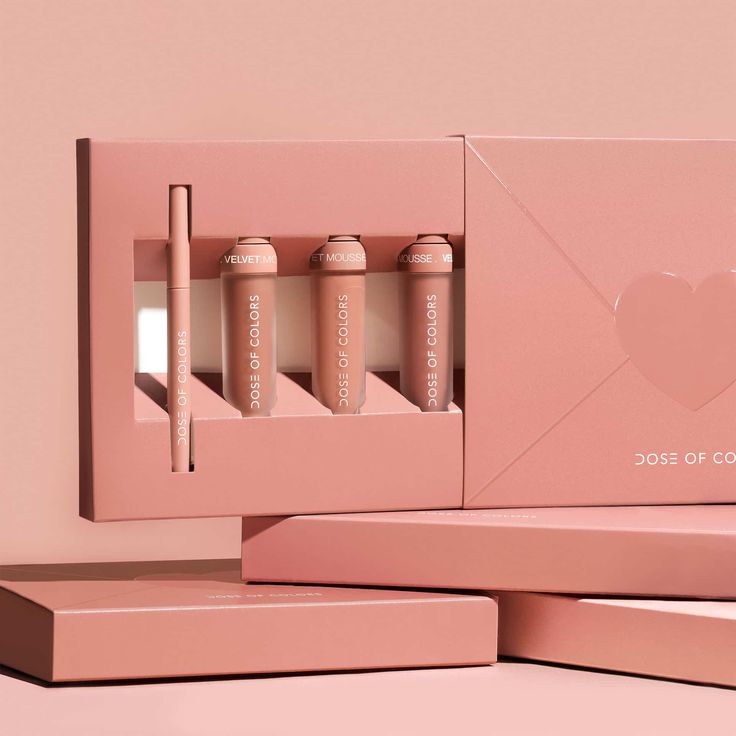
Get a Custom Makeup Box Quote from LansBox
How Do Rubbing Alcohol and Nail Polish Remover Tackle Sticky Residue?
Rubbing alcohol dissolves sticky adhesives by breaking down polymer chains, while acetone-based nail polish remover offers a quicker solvent action on tougher glues. Simply apply a small amount of isopropyl alcohol or acetone to a cotton pad, press it onto the sticky area for about 20 seconds, then gently rub in circular motions until the residue lifts away. This leaves a clean surface ready for a quick wash, without harming printed designs. Both solvents evaporate fast, leaving minimal trace and allowing you to follow up with warm water and mild soap to neutralize any lingering film.
What Household Staples Can Clean Sticky Makeup Containers?
These budget-friendly ingredients skip the harsh chemicals, making them perfect for delicate skincare packaging. Mixing baking soda into a paste or letting labels soak in vinegar speeds up removal, while a dab of oil can loosen even the most stubborn glue before a gentle wipe.
Which Tools Safely Scrape Away Labels and Adhesives?
Mechanical removal using plastic scrapers, silicone spatulas, or craft sticks helps peel away leftover adhesives while minimizing surface damage. A little heat from a hairdryer or a warm water soak can further soften stubborn glue, allowing your tools to glide smoothly between the label and the container. Specialized adhesive removal tools with angled edges are great for lifting corners without gouging. After scraping, a quick wipe with rubbing alcohol catches any stray particles and restores the container’s original finish.
How Do You Properly Clean Empty Cosmetic Containers for Reuse or Recycling?
Thorough container cleaning involves removing residue, sanitizing, and drying to ensure safe reuse, donation, or recycling without contaminating other materials. Plastic jars, glass bottles, and metal compacts each need specific care to maintain their integrity while eliminating oils, pigments, and adhesives. Proper cleaning not only prepares packaging for recycling streams but also opens doors for creative upcycling or refilling, aligning your beauty habits with zero-waste principles.
What Steps Ensure Plastic and Glass Makeup Jars Are Spotlessly Clean?
Start by emptying every last bit of product and rinsing containers with warm, soapy water to remove bulk residue. Next, use a solvent or household cleaner to dissolve any remaining cream, oil, or powder, gently scrubbing corners and threads with a soft brush. Rinse thoroughly under running water, checking for any lingering film. Finally, let containers air-dry upside down on a rack to prevent moisture buildup. This simple routine leaves plastic and glass jars hygienic and free of stubborn makeup traces, ready for their next life.
How to Remove Labels and Stickers Without Damaging Packaging?
Begin by peeling off as much of the label by hand as you can. Then, soak the container in warm water for 10–15 minutes to loosen the adhesive. Gently lift any remaining bits with a silicone spatula or your fingernail, steering clear of metal tools that can scratch surfaces. For stubborn spots, a tiny bit of oil or vinegar can soften the glue before removal. Once the labels are gone, rinse away any oily residue with dish soap to keep recycling streams clean. Effortless removal protects the container’s look and simplifies its journey through the recycling process.
Can You Sanitize Makeup Containers for Safe Reuse?
Absolutely! Sanitizing empty makeup containers effectively kills bacteria and mold before you store or donate jars and compacts. After cleaning, fill a spray bottle with a 70 percent isopropyl alcohol solution or a mild bleach-water mix (1 tablespoon bleach per quart of water). Spray all surfaces, inside and out, let it sit for one minute, then rinse thoroughly with warm water. Air-dry completely on a clean surface. This sanitization step ensures your containers meet hygiene standards for refilling or for use in your next DIY cosmetic project.
What Are the Most Eco-Friendly Ways to Dispose of Sticky Makeup Packaging?
Eco-friendly disposal transforms unwanted makeup containers from landfill waste into valuable recycled materials, compost, or repurposed craft supplies. Properly sorting and prepping sticky packaging ensures your local recycling programs can accept these items without contamination. Brands and consumers can also embrace innovative beauty packaging solutions that minimize waste, like compostable materials and convenient take-back programs. Adopting greener disposal practices helps reduce environmental impact and supports a thriving circular economy in the beauty industry.
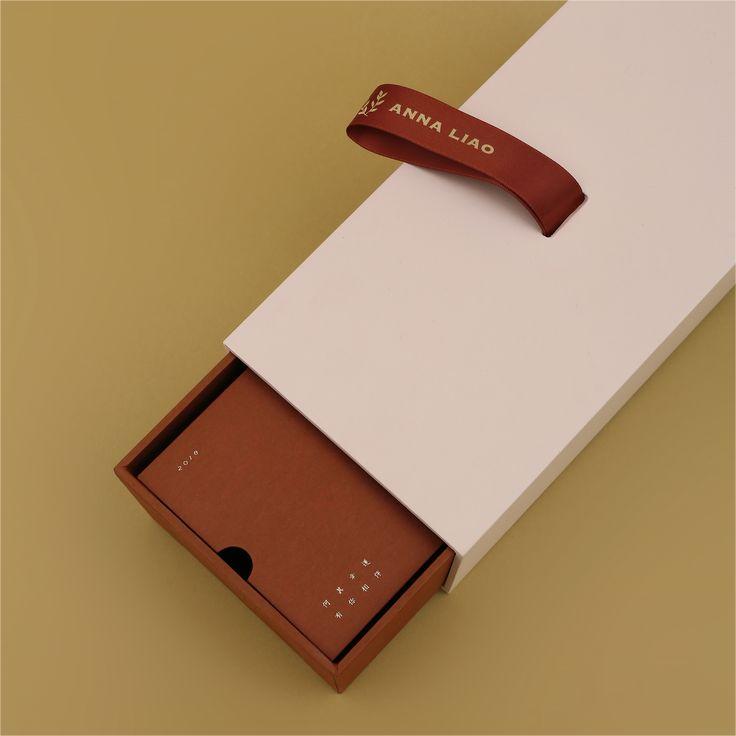
Get a Custom Makeup Box Quote from LansBox
How Can You Recycle Makeup Packaging That Still Has Sticky Residue?
Your first step is to remove as much adhesive and product residue as possible to prevent contamination in recycling streams. Separate any multi-material components—like plastic pumps, glass jars, or metal lids—and clean each according to your local guidelines. Drop off rigid plastic and glass containers at curbside or depot collection points. Foam or soft plastics might need specialized facilities. Many municipalities offer cosmetic recycling drop-off events or partner with brands for mail-back programs that handle small, tricky items responsibly. Once cleaned, your packaging can re-enter the manufacturing cycle to become new consumer goods instead of ending up in a landfill.
Research into paper recycling processes reveals that “stickies” are tacky contaminants found in recycled paper, originating from adhesives, ink binders, and coating binders. They are categorized as micro or macro stickies based on their size.
Stickies in Deinked Pulp: Characterization, Quantification, and Removal Strategies
1. Stickies are defined as tacky contaminants present in recycled paper, excluding wood extractives. Their origins lie in adhesives, ink binders, and coating binders. Stickies that can pass through a sieve of 100 or 150 μm (depending on the standard) are classified as micro stickies, while particles retained on the screen are termed macro stickies. Dissolved and colloidal stickies are referred to as secondary stickies. While standard methods exist for macro stickies, a standardized method for measuring the total quantity of stickies is currently lacking. Furthermore, the size distribution and nature of stickies, specifically whether they exist as free particles or agglomerated with other substances, have not been previously established. Information regarding the removal of stickies across different unit operations was also not well understood, with the exception of macro stickies. Consequently, the objective of this thesis was to develop an analytical method for quantifying total stickies, determine their size distribution and nature, and identify improved methods for their removal within the deinking process.
2. This study employed extraction with tetrahydrofuran (THF) followed by High-Performance Liquid Chromatography (HPLC) utilizing a Size Exclusion Column (SEC) to separate hydrophobic polymers (stickies) from the pulp suspension. An Evaporative Light Scattering (ELS) detector was used for quantifying the polymers post-SEC. This analytical procedure was adopted in this thesis for stickies measurement. Pulp fractionation prior to analysis was performed when information on stickies of different sizes was required.
3. The majority of stickies were found to be micro stickies. A significant, albeit smaller, proportion consisted of macrostickies, particularly at the initial stages of the deinking process. The dissolved and colloidal phase was observed to contain wood extractives, with only trace amounts of stickies.
4. Flotation demonstrates high efficacy in stickies removal. Both ink and micro stickies were removed with comparable efficiency during flotation, attributed to their shared hydrophobicity and optimal size range for the process.
Measurement, nature and removal of stickies in deinked pulp, 2007
What Sustainable Beauty Packaging Solutions Cut Down on Waste?
- Cardboard tubes made from plant fibers that can be composted
- Biodegradable polymer blends designed to break down in industrial facilities
- Refillable glass or aluminum jars built for multiple uses
By choosing these materials, your beauty routine generates less plastic waste, ensuring that end-of-life disposal aligns with eco-friendly values.
How Do Brands Design Makeup Packaging for Simpler Disposal?
Packaging manufacturers are increasingly opting for mono-material designs—using a single type of plastic or glass throughout—to simplify recycling. Minimal adhesives, labels printed directly onto boxes, and clear recycling codes further help consumers sort correctly. LansBox’s custom printed box packaging allows brands to select recyclable cardstock, eliminate glued components, and add straightforward disposal instructions to the design. This forward-thinking approach empowers consumers to recycle with confidence and removes friction at every disposal step.
Why Is Traditional Makeup Packaging So Tricky to Recycle and Dispose Of?
Cosmetic containers often combine plastic, metal, glass, and foam into a single unit, creating complex material mixes that recycling facilities can’t process. Labels, seals, and adhesives act as contaminants, gumming up sorting machinery and reducing the quality of recycled materials. Consumers often face frustration when their curbside bins won’t accept glossy tubes or mixed-material compacts, leading to them being tossed in the trash by default. Understanding these challenges highlights the critical need for packaging innovation in sustainable beauty.
What Materials Make Makeup Packaging Difficult to Recycle?
Makeup packaging frequently mixes different plastics—like PVC pumps on PET bottles—or fuses metal clips with plastic shells, creating inseparable composites. Foam inserts for eyeshadow palettes and foil seals add further complications to separation. These hybrid assemblies require manual sorting or specialized equipment, driving up processing costs and often leading to rejection. The use of non-recyclable plastic additives and UV coatings on labels can also prevent successful recycling, sending many containers to the waste stream.
How Do Sticky Labels and Residues Affect Recycling Processes?
Leftover adhesives and product residue contaminate clean material streams, degrading the quality of recycled output and posing fire hazards in machinery. Sticky labels caught in plastic flakes can clog screens and filters at recycling plants, demanding extra labor or water-intensive washing cycles. Even small amounts of makeup oils or pigments can force facilities to discard entire batches, undermining the economic viability of cosmetic packaging recycling and increasing landfill diversion costs.
The presence of sticky labels and residual adhesives significantly complicates recycling processes by contaminating material streams, potentially causing machinery malfunctions, and necessitating additional, costly cleaning steps.
Stickies in Deinked Pulp: Characterization, Quantification, and Removal Strategies
1. Stickies are defined as tacky contaminants present in recycled paper, excluding wood extractives. Their origins lie in adhesives, ink binders, and coating binders. Stickies that can pass through a sieve of 100 or 150 μm (depending on the standard) are classified as micro stickies, while particles retained on the screen are termed macro stickies. Dissolved and colloidal stickies are referred to as secondary stickies. While standard methods exist for macro stickies, a standardized method for measuring the total quantity of stickies is currently lacking. Furthermore, the size distribution and nature of stickies, specifically whether they exist as free particles or agglomerated with other substances, have not been previously established. Information regarding the removal of stickies across different unit operations was also not well understood, with the exception of macro stickies. Consequently, the objective of this thesis was to develop an analytical method for quantifying total stickies, determine their size distribution and nature, and identify improved methods for their removal within the deinking process.
2. This study employed extraction with tetrahydrofuran (THF) followed by High-Performance Liquid Chromatography (HPLC) utilizing a Size Exclusion Column (SEC) to separate hydrophobic polymers (stickies) from the pulp suspension. An Evaporative Light Scattering (ELS) detector was used for quantifying the polymers post-SEC. This analytical procedure was adopted in this thesis for stickies measurement. Pulp fractionation prior to analysis was performed when information on stickies of different sizes was required.
3. The majority of stickies were found to be micro stickies. A significant, albeit smaller, proportion consisted of macrostickies, particularly at the initial stages of the deinking process. The dissolved and colloidal phase was observed to contain wood extractives, with only trace amounts of stickies.
4. Flotation demonstrates high efficacy in stickies removal. Both ink and micro stickies were removed with comparable efficiency during flotation, attributed to their shared hydrophobicity and optimal size range for the process.
Measurement, nature and removal of stickies in deinked pulp, 2007
What Consumer Hurdles Arise from Complex Makeup Packaging?
Consumers often face confusing recycling guidelines, mismatched bin requirements, and rejection of partially cleaned containers. The effort required to disassemble, clean, and sort each component deters sustainable disposal, leading many to simply throw everything away. Uncertainty about which parts go where results in “wishcycling,” where improperly sorted items contaminate recyclables. These barriers underscore the need for user-friendly packaging that aligns with consumer habits and existing infrastructure.
How Can Custom Printed Box Packaging Help Solve Sticky Makeup Packaging Problems?
Custom printed box packaging transforms single-use beauty containers into easily recyclable, adhesive-free units that streamline both brand presentation and consumer disposal. By shifting primary packaging from glued tubes and multi-material compacts to foldable, recyclable boxes, brands reduce their reliance on PVC and acrylic components. This packaging format also provides a blank canvas for printing solvent-free labels and disposal instructions, ensuring a clean recycling process free from gummy residues.
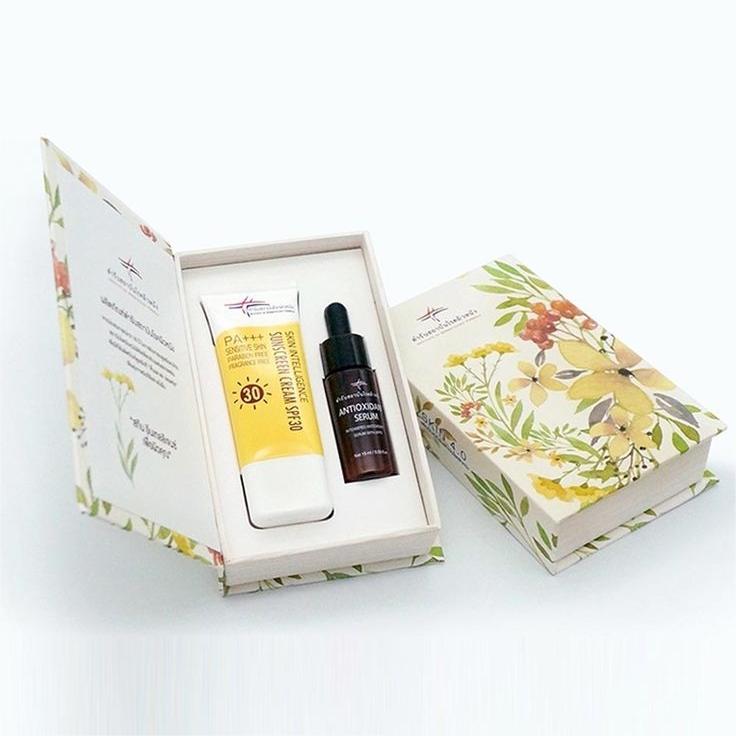
Get a Custom Makeup Box Quote from LansBox
What Are the Advantages of Custom Packaging for Sustainable Makeup Disposal?
Custom print boxes offer robust protection without lamination or wax coatings, allowing the entire package to be sorted as paper waste. Brands can choose FSC-certified cardstock or post-consumer recycled fibers, signaling their eco-credentials and reducing their carbon footprint. Printed instructions directly on the box guide consumers through residue removal and proper disposal, boosting recycling rates. This approach enhances brand image, demonstrates a commitment to sustainability, and eliminates the consumer frustration associated with sticky labels and complex disassembly.
How Does LansBox Utilize Recyclable and Biodegradable Materials?
LansBox sources recyclable kraft and coated papers that break down in standard paper recycling streams, avoiding plastic laminates or foil stamping that hinder processing. Brands can opt for biodegradable inks and water-based varnishes to maintain vibrant designs without toxic residues. These material choices align with circular economy principles and meet the growing consumer demand for green packaging. By offering flexible dielines and requiring minimal adhesive, LansBox ensures every custom printed box can enter recycling facilities without special handling.
What Design Features Make Makeup Packaging Easier to Clean and Recycle?
Mono-material folds, tuck-flap closures, and solvent-free direct-print labels eliminate the need for separate stickers or glue dots. Structural elements like perforated panels allow for effortless removal of inner inserts, while clear recycling icons printed on the inside flap guide disposal. Rounded corners and smooth surfaces discourage residue buildup in crevices, reducing cleaning time. These design refinements create a seamless user experience from unboxing to recycling, setting new standards for sustainable cosmetics packaging.
What Are the Benefits of Sustainable Makeup Packaging for E-commerce and D2C Brands?
Adopting sustainable makeup packaging strengthens brand loyalty by aligning with eco-conscious consumer values, driving repeat purchases and word-of-mouth referrals. It also positions brands ahead of tightening regulations that demand higher recycled content and clearer disposal labeling. Operational efficiencies emerge from lightweight, flat-packed boxes that reduce shipping costs and storage space. Over time, material optimization leads to cost savings, transforming green packaging from a marketing expense into a strategic investment.
How Does Sustainable Packaging Boost Brand Loyalty and Perception?
Eco-friendly packaging signals authenticity to consumers who are increasingly wary of greenwashing, fostering deeper emotional connections. Surveys indicate that a majority of beauty buyers are willing to pay more for responsibly packaged products, directly increasing average order value. Visible sustainability credentials during the unboxing experience create shareable social media moments, amplifying brand reach organically. This trust and relevance translate into increased customer lifetime value and brand advocacy.
How Do Sustainable Packaging Solutions Meet Regulatory and Consumer Expectations?
New packaging regulations mandate clear identification of recyclable materials and minimum recycled content percentages, standards that sustainable boxes naturally meet. Consumer expectations for transparency are satisfied when brands disclose material sources and disposal pathways directly on the packaging. Compliance with extended producer responsibility frameworks becomes simpler when primary packaging is standardized to a single, recyclable substrate. This proactive approach shields brands from fines and reputational damage.
What Cost-Effective Strategies Exist for Implementing Eco-Friendly Packaging?
Strategic material sourcing—such as bulk orders of post-consumer recycled paper—reduces per-unit costs while supporting circular supply chains. Simplifying structural designs cuts die-cutting expenses and shortens production lead times. Partnering with a packaging manufacturer specializing in sustainable substrates and solvent-free printing consolidates procurement and minimizes waste. Across successive production runs, economies of scale and iterative design improvements lower costs and elevate brand value.
What Are Practical Tips for Consumers to Manage Sticky Makeup Packaging Waste?
Empowering consumers with simple habits and creative ideas turns leftover containers into assets rather than trash. Integrating residue removal into regular beauty routines and repurposing empty jars for travel-sized refills or home DIY projects extends container life. Seeking out local recycling programs and take-back initiatives ensures that no piece ends up in a landfill. These practices foster a zero-waste mindset that complements sustainable product choices.
How to Integrate Eco-Friendly Makeup Disposal into Your Beauty Routine?
Set aside a small bin under your vanity for empty containers and adhesive-covered cloths. Schedule a weekly cleanup session where you remove labels, rinse out jars, and sort plastics from glass. Keep a spray bottle of rubbing alcohol or a vinegar-water mix handy to tackle residue on the spot. This routine prevents sticky items from piling up and seamlessly integrates disposal steps into your daily rituals.
What Are Alternatives to Throwing Away Sticky Makeup Containers?
Upcycling options include transforming jars into desk organizers, travel-size refill holders, or seedling planters. Glass compacts make elegant candle vessels after thorough cleaning, while plastic tubes can be repurposed as DIY glitter or craft supply dispensers. Artistic decoupage can give cardboard boxes a new life as decorative storage, transforming packaging that once held makeup.
Where Can Consumers Find Recycling Programs for Cosmetic Packaging?
Many cities offer specialized drop-off points at pharmacies, beauty stores, or municipal waste facilities that accept makeup tubes, mascara wands, and compact cases. Retailers sometimes host take-back events where empty containers are collected and sent to certified recyclers. Online directories list local recycling partners and brand-sponsored mail-back programs that handle small, tricky items. Participating in these programs keeps cosmetic packaging out of landfills and supports closed-loop recycling initiatives.
LansBox’s custom printed box packaging not only solves consumer disposal headaches but also empowers brands to design packaging that meets sustainability goals and delights eco-savvy customers. By partnering with a packaging manufacturer focused on recyclable, biodegradable materials and user-friendly designs, beauty brands can transform sticky waste into a seamless circular experience. Take the next step toward responsible packaging by exploring custom solutions that prioritize end-of-life ease and environmental impact.
 EN
EN DE
DE FR
FR PL
PL PT
PT ES
ES JA
JA RU
RU AR
AR IT
IT NL
NL TR
TR KO
KO