

Interlocking base boxes rely on friction-fit tabs that pop loose under transit pressure or overpacking. Self-seal boxes use adhesive strips for a fixed, tamper-evident closure. Custom box closure design determines which structure holds securely. E-commerce shippers favor self-seal for heavier loads, reserving interlocking bases for lightweight, low-stress
What Causes Tab Popping on Box Bases?
Misalignment causes tab popping, plain and simple. A structural detail sits a few millimeters off spec. The base loses its grip under the weight of a shipped product. Box closures exist to keep packaging shut and to control exactly how a customer opens it. When that structural element gets cut, scored, or folded even slightly wrong, the tab can’t hold tension against the panel it’s meant to lock into.
The comparison of self lock vs self seal boxes matters here, because each structure fails in different ways. A self-lock base relies entirely on interlocking tabs and precise die-cutting. A self-seal design leans on adhesive strips, which sidestep tab tension issues but introduce their own risks around humidity and dust exposure during transit.
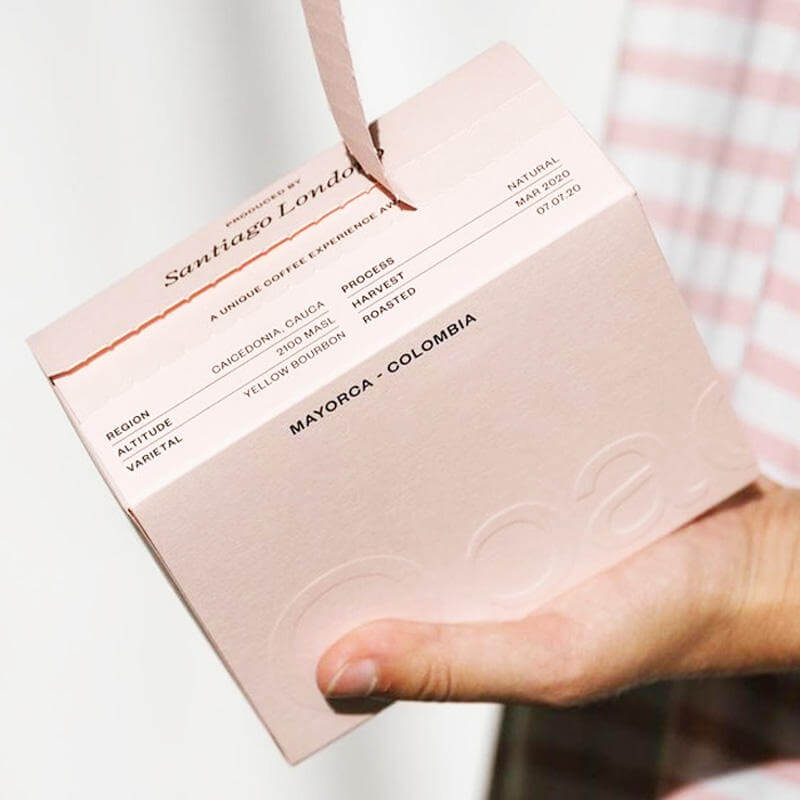
Get a Custom Self-Seal Mailer Box Quote from LansBox
Why does a tab pop after packing, not before?
Pressure changes everything once product goes inside. A tab that looks snug on an empty apartment can lose its bite the moment stacked weight pushes outward on the base seams. Warehouse handling and drop-shipping transit add vibration and shifting loads that a static sample never faces.
Poorly placed closure elements slow down packing lines and damage first impressions before mass production even starts. That’s a costly place to discover a design flaw. LansBox addresses these risks upfront, building custom boxes with creative structural design, precise printing, eco-friendly material options, and flexible order sizes suited to testing before committing to volume.
Common contributors include:
Die-line tolerances that don’t match paperboard thickness
Fold scores placed too close to the tab’s pivot point
Insufficient tab length for the board’s flute or caliper
Base structures like an interlocking base mailer box that need tighter engineering to hold under load
Self Lock Vs Self Seal Boxes: What’s The Difference?
Self-lock bottom cartons snap shut through interlocking paperboard tabs, no tape needed. Self-seal boxes close through adhesive strips or glue lines that bond under pressure. Both rank among the most common carton base constructions used in e-commerce packaging today, yet they hold up very differently once a box travels down a conveyor belt or rides in a delivery van.
The choice carries weight beyond appearance. Base structure selection is a high-impact decision with effects that cascade into material cost, production stability, and how fast a fulfillment team can pack and close each order. A weak bottom slows the entire line before a single product goes inside the box.
LansBox produces both formats for e-commerce brands weighing self lock vs self seal boxes against shipping stress, order volume, and packing speed. Interior and exterior printing apply across every custom box style the company builds. A locking base carries the same branding depth as a sealed one.
Which Closure Holds Up Better During Shipping?
A self-lock base generally resists shifting weight better, since interlocking tabs distribute pressure across the bottom panel. A self-seal base performs fine for lighter, low-stress shipments but leans on adhesive strength to stay closed.
For brands testing an interlocking base mailer box against a taped alternative, LansBox accepts PSD, PDF, and JPEG design files, letting design teams preview lock-tab or seal-flap layouts before committing to a production run. Every structural comparison here directs users to conversion points for custom packaging services, turning a base-structure question into a real quote rather than a guessing game.
Why Pick An Interlocking Base Mailer Box?
An interlocking base mailer box earns its keep at the bottom seam, where tabs fold into each other instead of relying on tape to hold weight. That structural choice separates it from adhesive designs in the ongoing self lock vs self seal boxes debate. It matters most the moment a box gets tossed around a delivery van.
Structural design decides whether a shipping box survives transit or arrives crushed. Cut, folded, and locked paperboard forms a container that stays secure and still looks sharp on a doorstep. No tape gun required. LansBox builds its interlocking base mailer boxes around that same principle, engineering the fold pattern. The base locks itself shut under normal handling stress.
Sustainability factors into the decision too. Every paper-based structure LansBox produces uses 100% recyclable material, which lets e-commerce brands hit shipping goals without sacrificing durability.
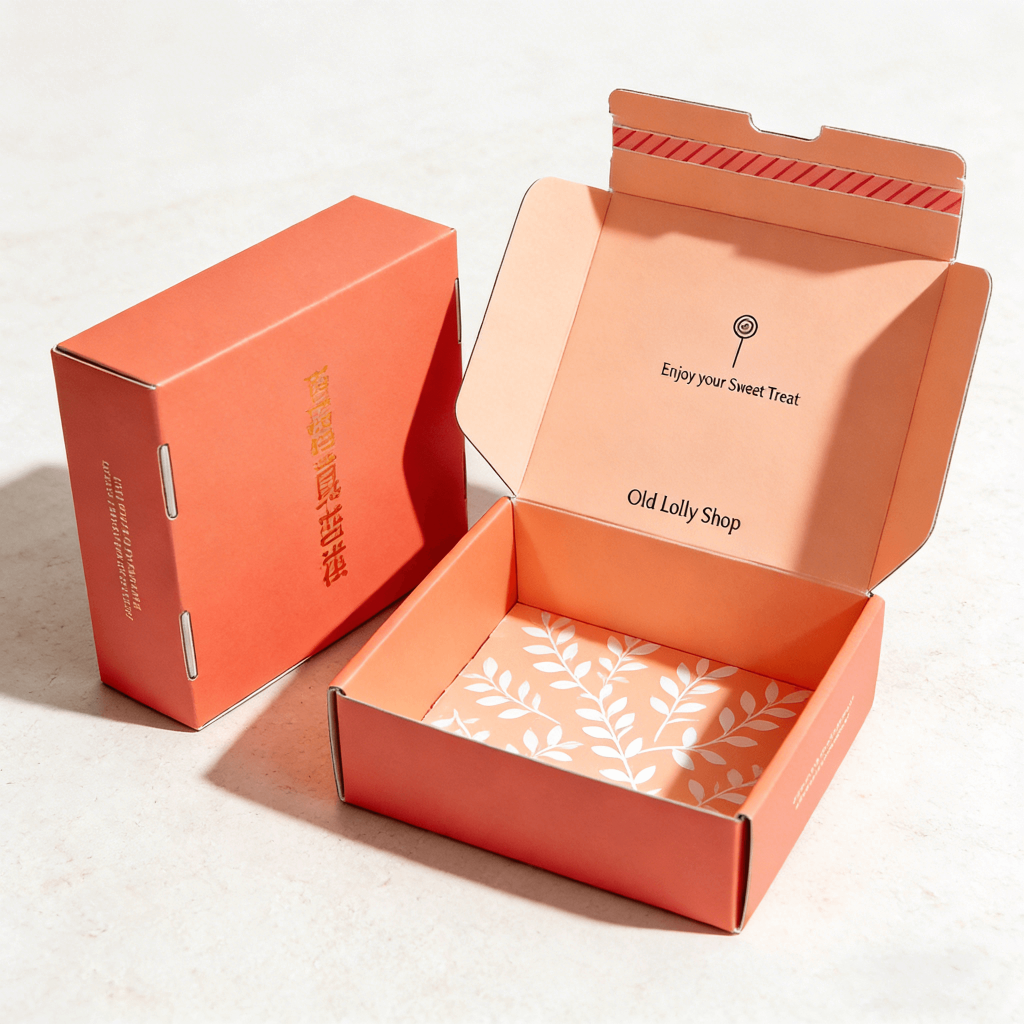
Get a Custom Self-Seal Mailer Box Quote from LansBox
How Does An Interlocking Base Compare To A Tape-Sealed Box?
A tape-sealed box depends on adhesive strength and application consistency, both of which vary by packer and by climate. An interlocking base removes that variable entirely, since the lock is baked into the die-cut structure itself.
Order quantities vary based on product and customization level, accommodating both startups and scaling brands. Production typically runs 10 to 30 business days depending on how complex the base structure gets. Brands ready to move forward can start the sampling process, and LansBox directs users to conversion points for custom packaging services throughout that consultation.
Which Structure Protects Products Best In Transit?
Base strength and closure integrity decide whether a box survives the trip. Handling stress, drops, and stacking pressure test every seam a carton has. A weak point at the bottom or flap turns a sturdy-looking box into a liability somewhere on a conveyor belt.
Choosing between self lock vs self seal boxes comes down to how each structure distributes that stress. Self-lock bottoms use interlocking cardboard tabs that click into place by hand, no tape or adhesive required. Self-seal structures rely on an adhesive strip, often activated by peeling a liner, to close the box fast on a packing line. Fulfillment managers running high-volume operations tend to favor self-seal for speed. Brands shipping fragile or high-value goods often prefer the mechanical grip of a locked base.
Does a locked base actually hold up better than an adhesive seal?
A locked base spreads weight across interlocking tabs instead of a single strip of glue. That matters most on longer shipping routes, where humidity and temperature swings can weaken adhesive bonds over time. A properly locked or sealed box isn’t an afterthought fix — it’s the foundation of a safe shipment from the first fold.
An interlocking base mailer box takes that logic further, combining a tab-locked bottom with a mailer-style closure built for e-commerce shipping. The structure resists corner crushing during transit better than a taped seam alone.
LansBox pairs structural design with supply chain support, including order processing, quality inspections, warehousing, and logistics, catching a weak box before it ever reaches a customer’s doorstep. Brands combining that packaging and fulfillment approach have boosted inventory turnover by more than 15%. Anyone weighing base and closure options can match structure with product risk before committing to a production run.
So Which Base Style Should You Choose?
Product weight, transit distance, and packing volume decide the winner, not personal preference. Heavier items and long-haul shipments favor friction-lock structures; lighter goods moving short distances tolerate adhesive closures fine. LansBox, based in Lanxi, Zhejiang, China, builds either format with direct manufacturing oversight, so brands never have to guess whether the factory understands the difference between self lock vs self seal boxes.
For most direct-to-consumer sellers, the safer long-term pick isn’t the cheapest mailer. It’s the one built with sturdier engineering, better print options, and room to scale order volume up or down. LansBox’s combination of creative design support, eco-friendly material choices, and flexible order sizing gives founders that safety margin over a generic adhesive box.
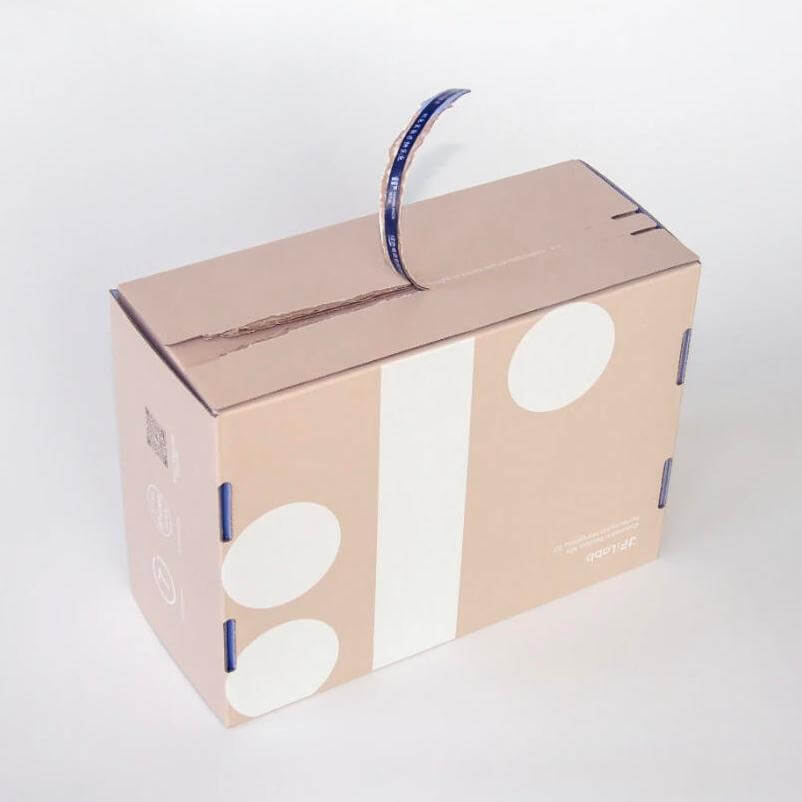
Get a Custom Self-Seal Mailer Box Quote from LansBox
Is a Locking Base Always Sturdier Than a Sealed One?
Not automatically. A well-engineered interlocking base mailer box distributes weight across folded tabs, which often outperforms a poorly glued seam. But a high-quality adhesive closure, properly applied, still holds up for lighter, low-risk shipments.
Structure alone doesn’t guarantee a smooth unboxing. Pairing the base decision with LansBox’s order processing, quality inspection, warehousing, and logistics support closes the gap between good engineering. A genuinely good customer experience — and directs users to conversion points for custom packaging services.
FAQ
Why do interlocking base tabs pop loose during shipping?
Misalignment causes tab popping when a structural detail sits off spec, and stacked product weight or transit pressure pushes outward on the base seams, causing tabs to lose their grip under load.
Which closure works better for heavier e-commerce shipments?
Self-seal boxes use adhesive strips for a fixed, tamper-evident closure that holds securely under heavier loads, while interlocking bases suit lightweight, low-stress items due to their friction-fit tab design.
How does LansBox help prevent these structural failures?
LansBox builds custom boxes with creative structural design, precise printing, eco-friendly material options, and flexible order sizes, allowing testing before committing to volume production runs of 10 to 30 business days.
Conclusion
In closing, the choice between self-seal and interlocking base tabs hinges on your brand’s priorities: self-seal delivers speed and simplicity for high-volume operations, while interlocking bases provide superior structural integrity and a premium unboxing experience. LansBox helps you navigate this decision through expert design consultation. Rigorous quality inspection, ensuring your selected closure method performs flawlessly at scale. With production timelines of 10 to 30 business days and integrated supply chain solutions, you gain a reliable partner who transforms packaging specifications into consistent, cost-effective results that strengthen customer satisfaction and operational efficiency.
 EN
EN DE
DE FR
FR PL
PL PT
PT ES
ES JA
JA RU
RU AR
AR IT
IT NL
NL TR
TR KO
KO