

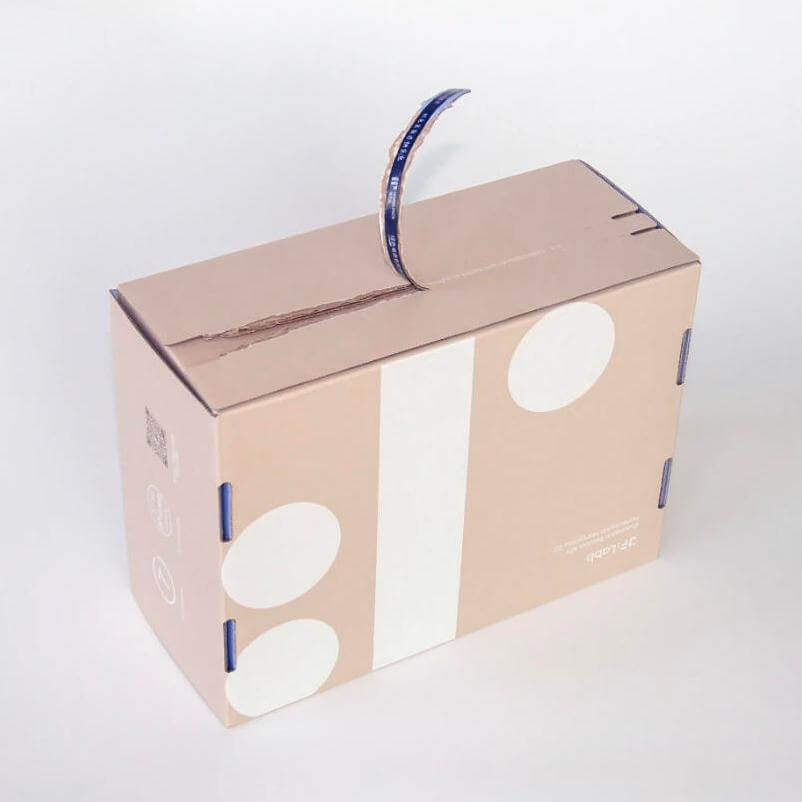
Die cut tolerance for self-sealing packaging depends on score depth control at the fold and adhesive strip lines. Inconsistent depth causes tape misalignment and weak seals. Engineers typically hold tolerances within fractions of a millimeter on critical folds. LansBox validates score depth through prototyping before mass production, confirming seal integrity across mailer and box structures prior to full-scale runs.
Why Does Die Cutting Precision Actually Matter?
Precision determines whether a mailer box seals flush or gaps at the corners. Die cutting is the manufacturing process that cuts custom shapes into packaging materials, forming the structural backbone of every folding carton and mailer that leaves a fulfillment center. Get the cut wrong, and the downstream costs show up fast: jammed assembly lines, weak seals, and boxes that arrive dented instead of protected.
The process itself relies on a specialized steel die that cuts, creases, scores, or perforates cardboard and rigid paper stock. Each function serves a distinct structural purpose:
Cutting separates the panel from the sheet along its outer profile.
Creasing compresses fibers so panels fold along a controlled line.
Scoring creates a shallow groove that guides clean, repeatable folds.
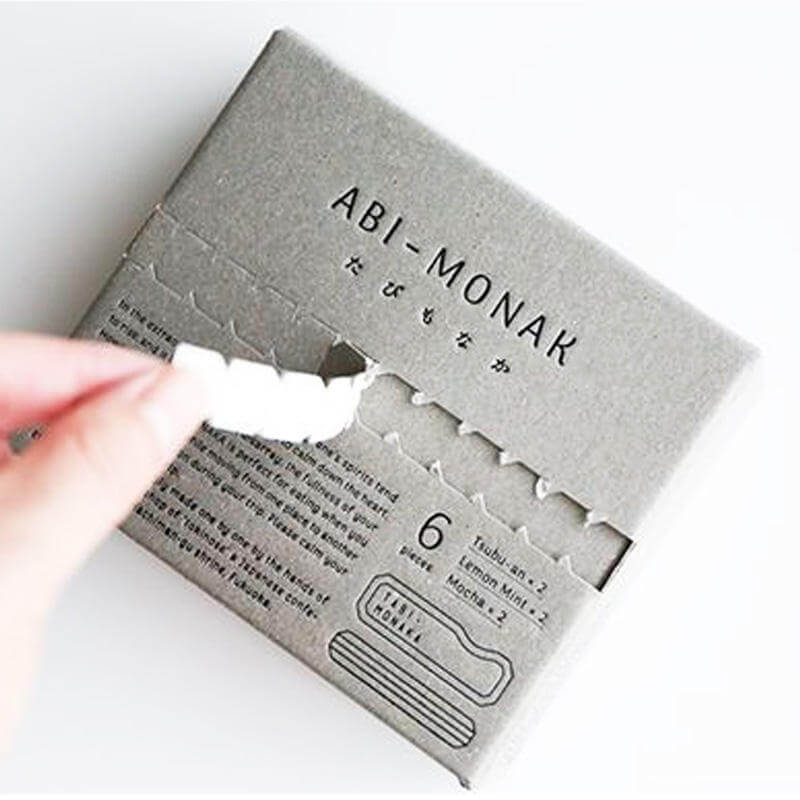
Perforating adds tear lines for tabs, windows, or easy-open features.
Get a Custom Self-Seal Mailer Box Quote from LansBox
What happens when die cut tolerance for mailer boxes is off?
Loose die cut tolerance for mailer boxes creates panels that don’t align during folding, leaving self-sealing flaps that miss their strike zone. Operations teams then absorb the fix manually, taping boxes by hand on a line built for automation.
Why does score depth for folding cartons matter so much?
Score depth for folding cartons controls how cleanly a panel bends without cracking the print layer or fiber. Too shallow, and the carton resists folding; too deep, and the panel weakens at the seam.
Operating from Lanxi, Zhejiang, China, LansBox builds paper packaging around exact client specifications, pairing creative design and printing with flexible order sizes. Structural accuracy carries through from prototype to full production run.
What Tolerance Should You Expect For Mailer Boxes?
Exact dimensions never happen twice in a row on a die-cutting line. Every converter aims for the client’s precise measurements. Slight variation shows up on every run regardless of skill or equipment. That variation has a name: die cut tolerance for mailer boxes, the allowable range of drift between what the spec sheet says and what the finished blank actually measures.
Mailer box designers who ignore this range invite trouble downstream. A panel that runs a fraction wide on one batch and narrow on the next throws off flap alignment, glue coverage, and the self-sealing strip’s fit. The fix isn’t chasing perfection — it’s defining acceptable variation up front, for each dimension that matters to assembly.
How Is Tolerance Set For A Mailer Box Design?
Tolerance gets built into the spec at the same stage as the box’s dimensions, materials, and finishing choices. Structural engineers list which measurements are load-bearing for the fold-and-seal sequence, then assign a variation range to each one before tooling begins.

Get a Custom Self-Seal Mailer Box Quote from LansBox
What Files Does A Structural Team Need To Submit?
Clear die lines make tolerance callouts possible in the first place. LansBox accepts design submissions in PDF, PSD, and JPEG formats, giving structural teams a direct path to mark die lines, score positions, and tolerance notes before production starts.
A few practices keep tolerance drift from becoming a shipping problem:
Flag critical-to-function dimensions separately from cosmetic ones.
Confirm score depth for folding cartons alongside cut tolerance, since crease behavior shifts with board caliper.
Request a prototype run before committing to full volume.
Skipping these steps doesn’t save time. It just moves the cost to the fulfillment floor. A stack of boxes that won’t seal square becomes a line manager’s problem. Brands ready to lock down tolerance specs for a custom mailer program can reach LansBox’s team directly for a quote and structural consultation.
How Does Score Depth Affect Folding Carton Performance?
Score depth determines whether a folding carton panel bends cleanly along a straight line or cracks, splits, and telegraphs a rough edge to the customer. Get the depth wrong, and a mailer that looked flawless on screen arrives with fiber-torn corners and a fold that won’t sit apartment.
Scoring and creasing sit in their own category of the die-cutting process, separate from straight cutting altogether. Creasing channels operate under their own configured rules and tolerances. Those rules directly govern how a carton panel folds under pressure. A die that cuts a crisp edge on one substrate can crush the fibers on another if the channel depth isn’t matched to the board.
This is where die cut tolerance for mailer boxes becomes inseparable from score depth for folding cartons. One measurement without the other tells an incomplete story. A shape cut with precision but scored too shallow still won’t fold to spec. A proper crease line, a glue flap, or a locking tab all depend on geometry that straight guillotine trimming simply cannot replicate.
What Happens If Score Depth Is Too Shallow or Too Deep?
Too shallow, and the board resists the fold, causing panels to spring back or crack along the surface instead of bending smoothly. Too deep, and the score line cuts through too much material, weakening the panel and risking tears during assembly or shipping. Neither outcome protects a recyclable paperboard structure, since LansBox designs every carton to stay within recyclable material limits while still holding its shape.
Structural designers reviewing proofs should watch for these signals:
Fold lines that resist closing without visible cracking on the outer face
Interior print registration lines up cleanly with the crease, since LansBox prints both interior and exterior surfaces
Glue flaps seat flush without buckling at the score
Engineers weighing these details on a current project can consult LansBox’s team directly to request a structural sample before committing to a full production run.
Why Discuss Tolerances With Your Packaging Partner Early?
Early tolerance conversations prevent late-stage assembly failures on self-sealing mailers. Engineers who wait until final production discover misalignment only after cartons ship. By then the fix costs far more than a phone call would have. A guide from Strouse, drawing on 39 years of custom parts experience, recommends testing functional tolerances before locking them into a drawing rather than guessing at acceptable variation. That principle applies directly to die cut tolerance for mailer boxes. A fraction of a millimeter determines whether flaps seal flush or gap open at the corner.
LansBox structures its production calendar around this reality. Timelines typically run 10 to 30 business days, a window built specifically for validating tolerance and score depth for folding cartons before committing to full-volume output. Minimum order quantities shift by product type and customization level. Tolerance discussions belong in the same conversation as MOQ planning, not a separate one held later.
Get a Custom Self-Seal Mailer Box Quote from LansBox
How does prototyping catch tolerance problems before mass production?
Prototyping gives engineers a physical sample to fold, seal, and stress-test before thousands of units roll off the line. LansBox builds prototyping into its standard process for exactly this reason, confirming structure and print outcomes ahead of scale.
Three questions worth raising during that first partner conversation:
What score depth suits the chosen board weight and fold direction?
How much dimensional variance can the seal mechanism tolerate?
What prototype turnaround fits the production schedule?
Teams ready to align tolerance specs with production planning can request a custom quote through LansBox’s project consultation process, which directs users to conversion points for custom packaging services before volume commitments lock in.
How Do You Lock In Self-Sealing Assembly Quality?
Quality assembly comes down to catching problems before a box leaves the factory floor, not after a customer complains about a flap that won’t stay shut. Self-sealing mailers demand consistent die cut tolerance for mailer boxes. Even minor variation in edge dimensions throws off adhesive alignment. Every die cut part carries some degree of deviation; no converter produces a perfectly identical run, box after box. The real work lies in defining what range of variation the design can tolerate before seal performance suffers.
LansBox builds this checking process into its supply chain solutions rather than treating it as a separate step. Order processing, quality inspection, warehousing, and logistics coordination all work together, flagging tolerance issues long before boxes reach a shipping dock. That sequence matters more than any single inspection point.
Why Does Score Depth Matter for Folding Cartons?
Score depth for folding cartons controls how cleanly a panel folds. How tightly a self-seal adhesive strip meets its target. Cut too shallow, and the carton resists folding along the intended line. Cut too deep, and the material weakens or cracks at the fold. Getting this measurement right the first time avoids costly rework downstream.
Brands that lock in tolerance and score depth early see it reflected in performance numbers. Consolidated packaging and fulfillment programs through LansBox can boost inventory turnover by more than 15%, rewarding operations teams that get structural specs correct before mass production begins. Engineers ready to validate a mailer design can request a custom packaging quote directly from the LansBox team.
FAQ
Why does score depth control matter for self-sealing packaging?
Score depth at fold and adhesive strip lines determines seal integrity; inconsistent depth causes tape misalignment and weak seals. LansBox validates score depth through prototyping before mass production to confirm seal integrity across mailer and box structures.
What goes wrong when die cut tolerance is too loose?
Panels fail to align during folding, causing self-sealing flaps to miss their strike zone. ### What files does LansBox need for tolerance callouts?
LansBox accepts design submissions in PDF, PSD, and JPEG formats. These formats give structural teams a direct path to mark die lines, score positions, and tolerance notes before production start.
Conclusion
In closing, mastering die cut tolerance, depth precision, and self-sealing mechanics transforms packaging from functional to exceptional—elevating both brand perception and operational efficiency. LansBox integrates these technical specifications into every custom box, combining rigorous quality inspection with flexible production timelines to deliver packaging that performs reliably at scale. Whether you’re optimizing for cost, speed, or supply chain consolidation, precision engineering in every detail ensures your unboxing experience strengthens customer loyalty while keeping your fulfillment costs competitive.
 EN
EN DE
DE FR
FR PL
PL PT
PT ES
ES JA
JA RU
RU AR
AR IT
IT NL
NL TR
TR KO
KO