

Self-seal strips use a pressure-activated adhesive layer built into a box flap, covered by a peel-off release liner. Removing the liner exposes tacky adhesive that bonds instantly under hand pressure, closing the carton without tape, staplers, or heat guns—cutting packing-line labor while giving e-commerce shipments a clean, tamper-evident finish.
What Is a Self-Seal Strip, Exactly?
A self-seal strip is a built-in adhesive flap engineered directly into a box’s closure, eliminating the need for extra tape, staples, or glue guns on the packing line. The mechanism sounds simple. It changes a surprising amount about how a fulfillment operation runs.
Picture a carton arriving apartment-packed at a warehouse. A worker folds the flaps, presses the strip, and the box locks shut. No tape gun, no dispenser jams, no sticky fingerprints on branded exteriors. That’s the entire mechanism behind a self-sealing box: adhesive flaps that hold the structure closed under pressure, without any secondary sealing step.
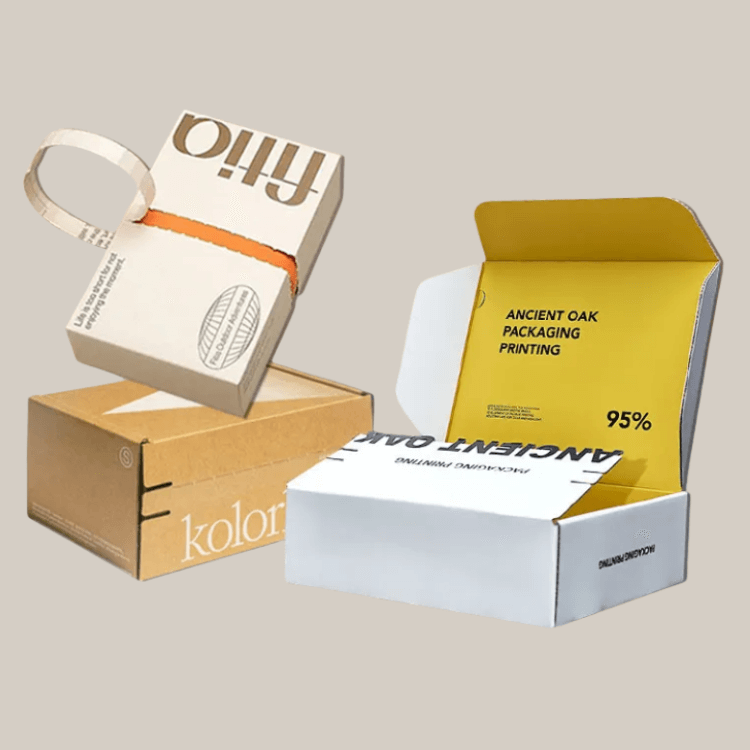
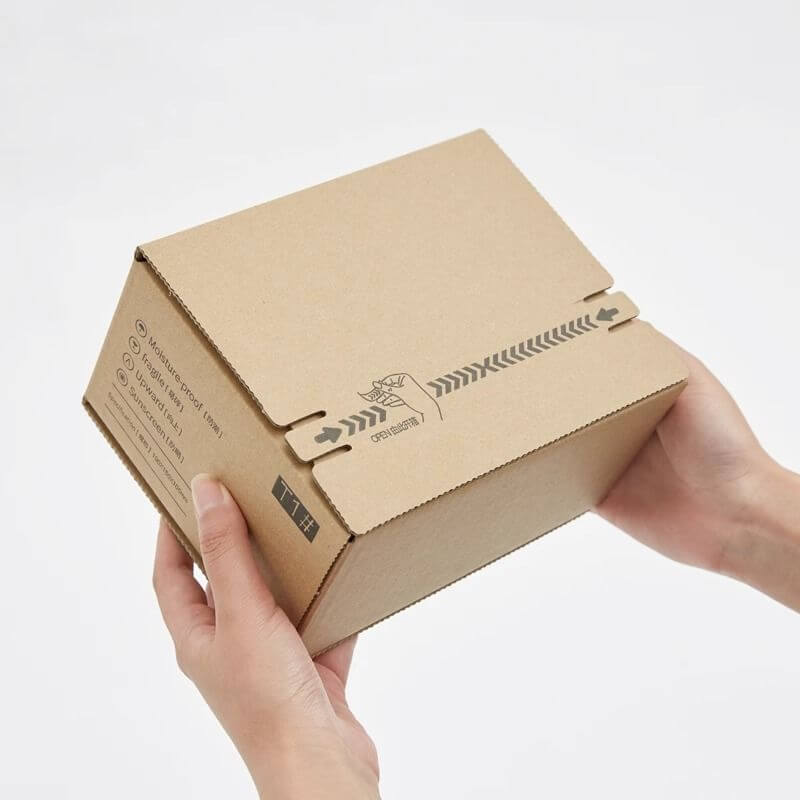
Some product lines take the concept further by pairing the sealing strip with a built-in tear feature. Recipients open packages cleanly without scissors or box cutters. That combination matters for D2C brands chasing a polished unboxing moment. A ragged tear line undercuts an otherwise premium presentation.
Get a Custom Self-Seal Mailer Box Quote from LansBox
How does a self-seal strip actually work?
The strip relies on PSA adhesive for boxes, short for pressure-sensitive adhesive, which bonds instantly when the flap presses against its matching surface. No heat, no water, no curing time required. Packers get a strong seal on contact, which shaves seconds off every single carton assembled.
Is a self-sealing box worth it for e-commerce?
For operations shipping high volumes, tape elimination adds up fast across labor hours and material costs. LansBox builds these closures into custom boxes with eco-friendly material options and flexible order sizes. Brands scaling volume don’t sacrifice sustainability. Every paper-based structure LansBox produces, self-seal styles included, stays 100% recyclable. A detail worth weighing before locking in a packaging spec.
How Does PSA Adhesive Make Sealing Work?
Pressure activates the bond. PSA adhesive for boxes — pressure-sensitive or heat-activated coating applied to the flap — sticks fast when folded or pressed into place, closing the carton without a dispenser in sight. No tape gun, no wet glue, no drying time. Warehouse staff fold, press, and move to the next order.
That single mechanism carries real operational weight. Cutting packing time shows up directly in labor costs. Fewer hands touching each box means fewer chances for a weak seal or a crushed corner. Items also travel more securely, since a bonded flap resists the shifting and popping open that loose tape allows during transit.
What role does the self-seal strip play?
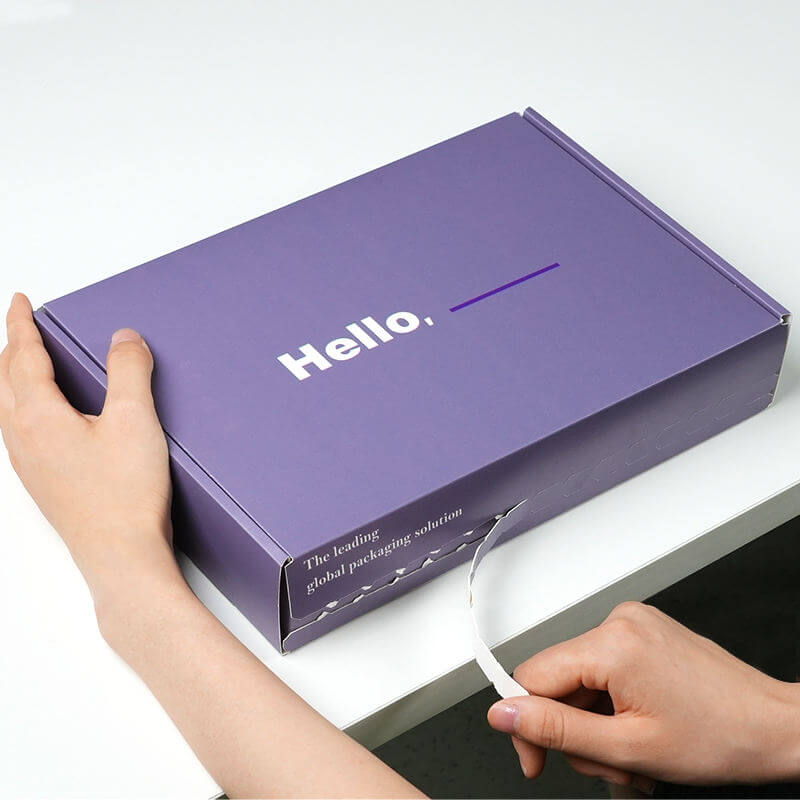
The self-seal strip is the release-liner-covered edge that keeps the adhesive dormant until assembly. Peel it back, fold the flap down, and pressure locks the box shut in seconds. Packaging engineers can specify strip width and placement to match box weight and product fragility.
Does adhesive placement interfere with branding?
Not on a well-designed carton. LansBox prints on both interior and exterior surfaces across every custom box style. The strip sits in a zone that never overlaps artwork. Placement gets planned early, not fixed after the fact.
Design accuracy matters here more than most teams expect:
Submit files as PSD, PDF, or JPEG
Mark strip location alongside logo and print zones
Review proofs before mass production locks the layout
That file flexibility lets operations managers lock adhesive placement. Brand graphics in the same round of review, avoiding costly reprints later.
Why Ditch Tape For Self-Sealing Mailers?
Tape slows down fulfillment lines and rarely holds up during transit. Removing it speeds packing, a clear win for busy fulfillment teams juggling tight shipping windows. A self seal strip built into the flap replaces the dispenser, the scissors, and the second-guessing about whether a box will survive a delivery truck.
The mechanics are simple. A PSA adhesive for boxes bonds on contact once pressed, no heat gun or extra tools required. Peel the liner, fold the flap, press down — the carton is sealed and ready for the belt.
That small design shift creates real downstream efficiency. A peel-and-seal closure speeds up delivery preparation. Builds efficiencies across the entire shipping process, from the pack station to the loading dock. Multiply that across thousands of daily shipments and the time savings compound fast.
Get a Custom Self-Seal Mailer Box Quote from LansBox
Does self-sealing packaging actually save fulfillment teams time?
Yes — cutting a manual step out of every single box adds up across high-volume operations. Warehouse staff no longer hunt for tape guns or double-check seals before boxes leave the building.
Pairing faster-sealing cartons with a coordinated supply chain multiplies the payoff. LansBox’s supply chain solutions bundle optimized order processing, quality inspection, and efficient warehousing designed to work alongside packaging built for speed. Combined packaging and fulfillment programs from LansBox can boost inventory turnover by 15%+, freeing up warehouse space and cash tied up in slow-moving stock.
For brand owners weighing packaging upgrades against fulfillment goals, the math is straightforward:
Less time per box packed
Fewer supply costs tied to tape
Fewer failed seals during transit
Better alignment with warehousing and logistics timelines
Custom packaging services remain available for teams ready to move beyond tape entirely.
How Does LansBox Build Self-Seal Boxes?
LansBox manufactures custom self-seal packaging from a dedicated facility in Lanxi, Zhejiang, China. That location anchors the full production process, from board cutting to final adhesive application. Brand owners get one accountable factory rather than a chain of subcontractors, which cuts communication delays and keeps quality consistent across runs.
Every self-seal box relies on a self seal strip built into the closure flap. That strip carries PSA adhesive for boxes, a pressure-sensitive formula that bonds on contact without heat, tape, or extra tools. Warehouse staff fold, press, and move on. No tape gun, no fumbling, no wasted seconds on repetitive packing lines.
How Long Does Production Take?
Production on self-seal mailer boxes typically runs 10 to 30 business days, depending on structural complexity and finishing choices. Simple designs with fewer print colors or embellishments move faster. Multi-panel structures or specialty coatings push toward the longer end of that window.
What Order Sizes Does LansBox Support?
Minimum order quantities vary depending on product type and customization level. A basic mailer with standard printing supports smaller test batches. Highly customized boxes with premium finishes generally require larger volumes to stay cost-efficient.
That flexibility matters for operations managers juggling seasonal spikes against steady baseline demand. A few practical steps get the process moving:
Submit product dimensions and desired finish details.
Request a custom self-seal mailer box quote to define cost and lead time.
Review a sample before committing to full production.
Every conversation starts the same way — a quote request that turns specifications into a working plan.
What Should You Check Before Ordering?
Four things separate a smooth self-seal order from a costly reprint: prototype testing, material sustainability, run size, and quality control. Skip any one of these, and a brand risks flaps that won’t hold or a batch that doesn’t match the sample approved weeks earlier.
Prototyping comes first. LansBox builds physical prototypes so structure. Print outcomes get validated before mass production starts, which means the self seal strip gets tested for real-world peel-and-stick performance rather than guessed at from a spec sheet. A prototype catches a weak bond or a misaligned tear point while it’s still cheap to fix.
Get a Custom Self-Seal Mailer Box Quote from LansBox
Does the material need to be recyclable?
For many D2C brands, yes — sustainability claims are now part of the unboxing pitch, not an afterthought. LansBox produces its paper-based packaging as 100% recyclable, so choosing a self-seal box built on that foundation checks the environmental box without a separate certification hunt.
Run size matters just as much. Self-adhesive box production scales widely, from batches around 1,000 units for a small launch up to 200,000 units for an established seller managing steady reorder cycles. Ordering below or above that range without confirming factory capacity invites delays.
How is seal quality actually verified?
Quality inspection happens before a run scales, not after boxes arrive damaged at a fulfillment center. LansBox folds thorough quality checks into order processing itself, confirming that the PSA adhesive for boxes bonds consistently across the full batch. That inspection step, paired with warehousing and logistics coordination, closes the loop between packaging design and delivery reliability. Brands ready to move from concept to production can request a custom quote through LansBox’s conversion points for custom packaging services.
FAQ
How does a self seal strip close a box?
The strip carries a pressure-sensitive adhesive layer under a release liner. Peeling the liner and pressing the flap bonds it instantly, locking the carton shut without tape or heat.
What makes self-sealing boxes useful for e-commerce?
They eliminate tape dispensers and drying time, speeding up packing lines and reducing labor and material costs. Bonded flaps also resist shifting and popping open during transit, protecting shipments.
Does the adhesive strip interfere with box branding?
No, LansBox plans strip placement early so it never overlaps artwork, printing on both interior and exterior surfaces across every custom box style.
Conclusion
In closing, self-seal strips represent a practical investment in packaging efficiency and customer satisfaction. By understanding how adhesive activation works—whether through moisture, pressure, or heat—brands can select the right closure technology to match their product, shipping environment, and unboxing experience. When paired with custom box design. Quality manufacturing, self-seal strips transform a functional necessity into a seamless part of your brand’s delivery promise, reducing fulfillment friction while reinforcing the professional presentation your customers expect.
 EN
EN DE
DE FR
FR PL
PL PT
PT ES
ES JA
JA RU
RU AR
AR IT
IT NL
NL TR
TR KO
KO