

Skincare is essential in our daily routine, yet its shelf life can be confusing. Both brands and consumers worry about product safety, effectiveness, and waste. This article explores expiry periods, the impact of packaging, storage tips, and other factors that affect your skincare products’ longevity.
What Is the Typical Shelf Life of Skincare Products in Packaging
Skincare products can last from several months to a few years depending on formulation and packaging. Cleansers might remain effective for 12–24 months, while active serums can last up to three years unopened. Manufacturers run stability tests to ensure that products maintain their efficacy throughout their shelf life.
Get a Custom Skincare Box Quote from LansBox
How Long Do Common Skincare Products Last
Water-based cleansers generally stay potent for about 12 to 18 months when unopened. Serums and moisturizers, especially those with active vitamins like retinol or vitamin C, can last 24–36 months if stored properly. Some products with strong preservatives may last even longer, although active ingredient degradation is always a consideration.
What Factors Influence Skincare Expiry Dates
Several factors affect expiry dates. Variations in humidity and temperature can hasten chemical breakdown. Exposure to air and light weakens active ingredients, reducing their potency. The type of preservative and packaging materials—whether glass, HDPE, or plastic—also significantly influence longevity. Even minor pH or microbial variations can accelerate expiry.
How Are Expiration Dates Determined for Skincare
Expiration dates are determined through rigorous stability testing under various conditions. Manufacturers simulate long-term storage to observe changes in consistency, odor, and color. FDA guidelines and industry best practices are central to setting these dates, ensuring that products remain safe and effective until the labeled period.
When Does Skincare Expire and How Can You Tell
Skincare expires when its active ingredients degrade, leading to reduced potency and possible irritation. Labels and observable changes are key signs to consider. Many products include a “period after opening” (PAO) symbol to guide safe use.
What Are the Signs That Skincare Has Expired
Expired products often change color, odor, or texture—becoming clumpy or runny. They may separate or emit an unusual smell, and in some cases lead to skin reactions such as redness, rashes, or breakouts. A visible change in consistency is a clear indication that the product no longer performs as intended.
How to Read and Understand Skincare Expiration Labels
Most products display a PAO symbol (a small open jar icon with a number indicating months) or a printed expiration date. Reading batch codes and knowing the manufacture date, especially for discounted or secondary market items, further helps determine product freshness.
Can Expired Skincare Cause Skin Problems
Using expired skincare can trigger irritation, breakouts, or infections due to bacterial growth. While potency may sometimes diminish without visible changes, products with active ingredients might cause dermatitis or increased skin sensitivity after expiry.
How Does Skincare Packaging Affect Product Longevity
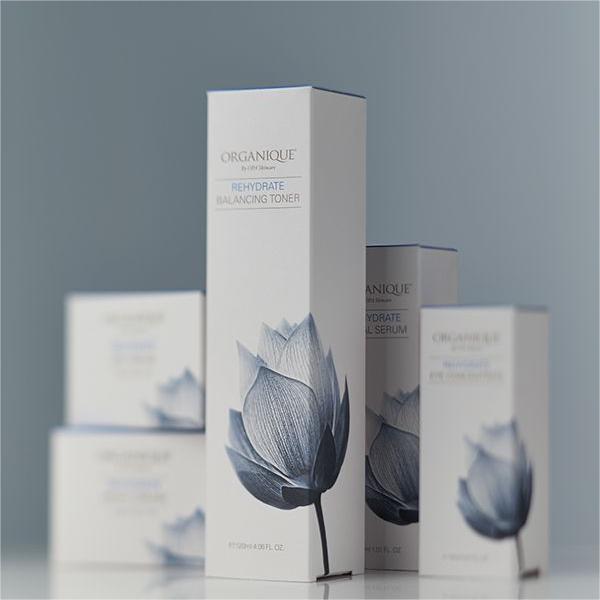
Packaging is critical in protecting skincare from damaging light, air, and moisture. Designs like airless pump bottles and UV-coated glass jars help extend a product’s life by minimizing exposure to oxygen and sunlight, factors that can lead to oxidation and degradation.
Get a Custom Skincare Box Quote from LansBox
What Packaging Types Preserve Skincare Best
Airless systems, tinted glass bottles, and opaque tubes offer superior protection. These options shield sensitive ingredients (such as retinol and vitamin C) from light and air while also reducing microbial contamination.
How Does Packaging Material Impact Shelf Life
Materials such as high-density polyethylene (HDPE) and glass provide effective barriers against external factors. Glass, being chemically inert, helps maintain the integrity of preservatives longer than less protective plastic containers, thereby extending shelf life.
What Role Does Packaging Design Play in Skincare Stability
Effective design is essential. Features like controlled dosing, small openings, and secure seals minimize contamination risk and oxidation. Innovations like airless bottles have evolved to ensure active ingredients are delivered in optimal condition every time you use the product.
How Should You Store Skincare to Maximize Its Shelf Life
Proper storage is key to extending skincare life. Keeping products in cool, dry places away from direct sunlight and excessive humidity preserves integrity. Avoiding the steamy bathroom environment is one simple way to reduce degradation.
What Are the Best Storage Conditions for Skincare Products
Ideal storage conditions typically involve a temperature range of 60–70°F (15–21°C) with low light exposure. Storing your items in a drawer or cabinet away from moisture can help retain their active properties longer.
Should You Refrigerate Skincare Products
Some products, like vitamin C serums or gel-based formulas, benefit from refrigeration. However, not all items should be chilled—creams and lotions can thicken or separate if refrigerated. Always follow the manufacturer’s recommendations for storage.
How Does Proper Storage Extend Skincare Effectiveness
Maintaining stable temperatures and reducing light exposure slows oxidation and microbial growth. By following good storage practices, you preserve the potency of key ingredients and maximize the health benefits of your skincare routine.
How Does Natural and Sustainable Skincare Packaging Influence Product Duration
Eco-friendly packaging, using recycled cardboard, bamboo, or biodegradable plastics, not only benefits the environment but is also designed to protect products from environmental degradation. Sustainable options aim to balance aesthetics, preservation, and reduced environmental impact.
What Are Eco-Friendly Packaging Options for Skincare
Common eco-friendly materials include biodegradable tubes, glass bottles with recyclable coatings, and boxes printed on recycled paper. These packaging options reduce the product’s exposure to contaminants and help maintain its effectiveness while supporting environmental sustainability.
Do Natural Ingredients Affect Skincare Shelf Life Differently
Natural ingredients can be more vulnerable to oxidation without strong synthetic preservatives. However, many natural formulations include botanical antioxidants that help stabilize the product. This can require stricter storage protocols compared to fully synthetic options.
How Does Transparency in Labeling Help Consumers Manage Skincare Expiry
Clear labeling—detailing PAO symbols, manufacturing dates, and storage recommendations—builds consumer trust and ensures that products are used within their optimal window. Transparency in labeling is essential for managing expectations and preventing skin issues due to expired products.
What Are the Best Practices for Using Skincare Before It Expires
Using skincare within its expiry period guarantees maximum benefits and minimizes the risk of adverse reactions. Keeping track of open dates and usage frequency helps avoid wastage and maintain skin health.
Get a Custom Skincare Box Quote from LansBox
How Quickly Should You Use Opened Skincare Products
Most products should ideally be used within six to twelve months after opening. Active serums require quicker consumption compared to more stable creams. Prompt use not only prevents waste but also ensures that active ingredients remain effective.
Can You Safely Use Skincare Past Its Expiration Date
While some products may be tolerable for a short period beyond their expiry date, it is generally safer to replace them. Using expired formulations can lead to reduced benefits and, in some cases, skin irritation. An organized routine helps prevent misuse of outdated products.
How to Track and Organize Your Skincare to Avoid Waste
Consider keeping a skincare journal or using smartphone apps to log purchase and open dates. Organizing products by usage dates minimizes accidental waste and ensures that you are always using products within their effective period.
How Do Different Skincare Product Types Vary in Shelf Life
Each type of skincare product has its own shelf life based on its formulation and preservatives. Understanding these differences is key to planning your beauty regimen effectively.
How Long Do Cleansers Last in Packaging
Cleansers generally stay effective for about 12–18 months when unopened. Once opened, it is best to use them within a year, as water-based formulas are more prone to microbial growth.
What Is the Shelf Life of Serums and Moisturizers
Serums typically boast 24–36 months of shelf life when unopened, while moisturizers might last up to two years. After opening, both types should ideally be used within 6–12 months to ensure active ingredients like hyaluronic acid and retinol remain potent.
How Long Can Sunscreens Be Stored Safely
Sunscreens usually have a 3-year shelf life if unopened but should be used within one season once exposed to heat and light. Reduced UV filters and inactive ingredients can compromise performance, making regular replacement important.
A concise table like this helps clarify the differences and assists in making informed purchase and usage decisions.
Frequently Asked Questions
Q: What conditions hasten skincare expiration?A: High temperatures, direct sunlight, and high humidity accelerate degradation of active ingredients.
Q: Can I mix natural ingredients with synthetic preservatives?A: Yes, many formulations blend both to balance efficacy and shelf life, so long as storage guidelines are followed.
Q: Should I discard skincare immediately after expiration?A: It depends on the product’s condition, but generally, replacing expired skincare is safer to avoid irritation and reduced effectiveness.
 EN
EN DE
DE FR
FR PL
PL PT
PT ES
ES JA
JA RU
RU AR
AR IT
IT NL
NL TR
TR KO
KO