

Custom printed insert cards inside toy boxes serve as a critical branding and safety tool. LansBox produces these cards to match exact toy dimensions, ensuring secure product placement during shipping. These inserts also communicate assembly instructions or brand stories, directly reducing return rates for e-commerce toy sellers.
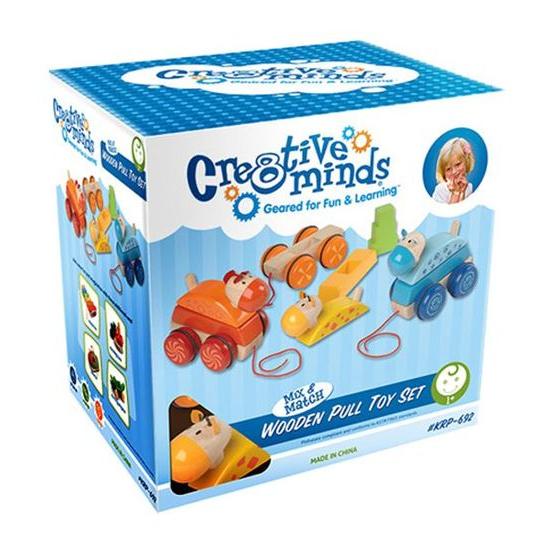
Get a Custom Toy Packaging Box Quote from LansBox
Why use insert cards in toy boxes?
Insert cards solve two problems at once. They protect fragile toys during transit, and they turn a plain box into a branded moment. Toys are sensitive items prone to breakage and damage during shipping or display. Structural support matters as much as visual appeal.
Toy packaging insert cards hold action figures, dolls, and accessories in fixed positions. That prevents movement inside the box. Less movement means fewer returns and fewer damaged-product complaints for Amazon FBA sellers and DTC brands. LansBox offers interior printing across all custom box styles, which lets brands print instructions, character art, or loyalty prompts directly onto the insert surface.
What do insert cards add to the unboxing experience?
A printed insert card creates a layered reveal. The child opens the lid, sees a colorful card first, then discovers the toy beneath. That sequence builds anticipation. Custom printed toy boxes with captivating designs already compel children to ask parents for the product. An interior insert extends that appeal past the shelf and into the home.
Are insert cards compatible with eco-friendly packaging?
Yes. All of LansBox’s paper-based packaging solutions are 100% recyclable, including insert cards made from paperboard or corrugated stock. Brands keep their sustainability claims intact without sacrificing structure or print quality.
Custom toy boxes with interior inserts deliver three measurable outcomes for toy sellers:
Fewer damaged units during fulfillment and retail handling
Higher perceived value at the moment of opening
A reusable surface for instructions, branding, or cross-sell prompts
The insert card is not decoration. It is a retention tool that works after the sale.
What makes a great toy packaging insert card?
A great toy packaging insert card does two jobs at once. The card holds the toy securely in place, and the card sells the brand before the box opens. LansBox accepts PSD, PDF, and JPEG files for paper box design submissions. Toy brand founders can submit artwork in the format they already use. A poorly fitted insert lets the product rattle during transit. That rattle becomes a return, a refund, and a lost repeat customer.
The structural fit matters more than the graphic design. LansBox offers prototyping to validate structure and print outcomes before mass production. A prototype catches a die-cut that is 2 millimeters off. That small error turns into crushed corners and scuffed paint on a collectible figure. Toy sellers who skip prototyping absorb those losses as chargebacks and negative reviews.
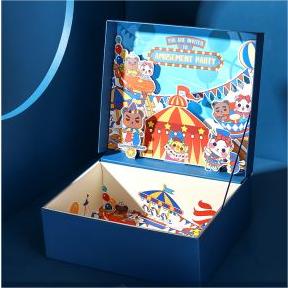
Get a Custom Toy Packaging Box Quote from LansBox
What material works best for toy insert cards?
Kraft paper is a common eco-friendly material for toy boxes and insert cards. Kraft paper comes in virgin natural kraft or recycled kraft options. A toy brand can choose the type of paper according to its specifications. Recycled kraft signals sustainability to parents who read packaging claims before buying.
How long does custom insert card production take?
LansBox production times typically range from 10 to 30 business days. The range depends on print complexity and finishing choices. A simple one-color insert moves faster than a full CMYK card with foil stamping. Planning the insert alongside the outer box keeps the entire project on one timeline.
The insert card is not an afterthought. It is the first physical touchpoint a child sees after the lid lifts. A card that fits, prints cleanly, and uses the right paper stock turns an ordinary unboxing into a brand moment. LansBox consolidates design, prototyping, and production so toy sellers avoid juggling three vendors for one insert. That consolidation reduces lead time risk and keeps the packaging program moving without delays.
How do insert cards drive customer reviews?
Insert cards turn a one-time unboxing into a repeatable review pipeline. A well-placed card inside custom toy boxes asks for feedback at the exact moment satisfaction peaks. That timing matters more than most sellers realize.
LansBox designs toy packaging insert cards that direct attention without cluttering the product. The card sits on top of the toy, visible before the child grabs it. A parent sees the request while the child sees the toy. Two audiences, one moment.
Why do insert cards outperform email review requests?
Email requests arrive hours or days later. The excitement has faded. An insert card catches the buyer mid-experience.
The card is physical, not digital. It cannot be swiped away.
The request feels personal, not automated.
The unboxing moment carries emotional weight that email cannot replicate.
LansBox’s team focuses on cost control and consistent quality, helping clients reduce overall costs while strengthening brand impact at unboxing. That unboxing impact is precisely what converts a satisfied parent into a reviewer.
What should a toy insert card actually say?
Short copy works best. A single sentence plus a QR code outperforms a paragraph of instructions. The card should thank the buyer, state the review takes under a minute, and link directly to the product page.
Custom packaging that builds brand recognition and consumer engagement also builds review volume. LansBox can boost inventory turnover by 15% or more through optimized supply chain solutions, including packaging that drives repeat purchases. Reviews feed that cycle. More reviews mean more visibility, which means faster turnover.
The company’s supply chain solutions include optimized order processing, thorough quality inspections, efficient warehousing, and seamless logistics. Insert cards ship inside the box, so no separate fulfillment step exists. The card arrives with the toy, every time.
What design rules apply to toy insert cards?
Design rules for toy packaging insert cards hinge on structure, printing precision, and material selection. Effective cards protect fragile toys inside the box while reinforcing brand identity through high-quality graphics. The wrong insert causes product shifts that damage delicate items during transit.
Insert card placement works differently across rigid box formats. A two-piece box enables a measured lift-off reveal where the card sits flush against the toy. Magnetic or book-style structures support a more guided opening sequence. Drawer and sleeve formats build anticipation through movement, changing how the insert card first appears to the customer.
Toy packaging insert cards must align with the box’s opening mechanics. LansBox produces these cards using modern CMYK printing and a wide set of embellishments, delivering consistent quality for both interior and exterior surfaces.
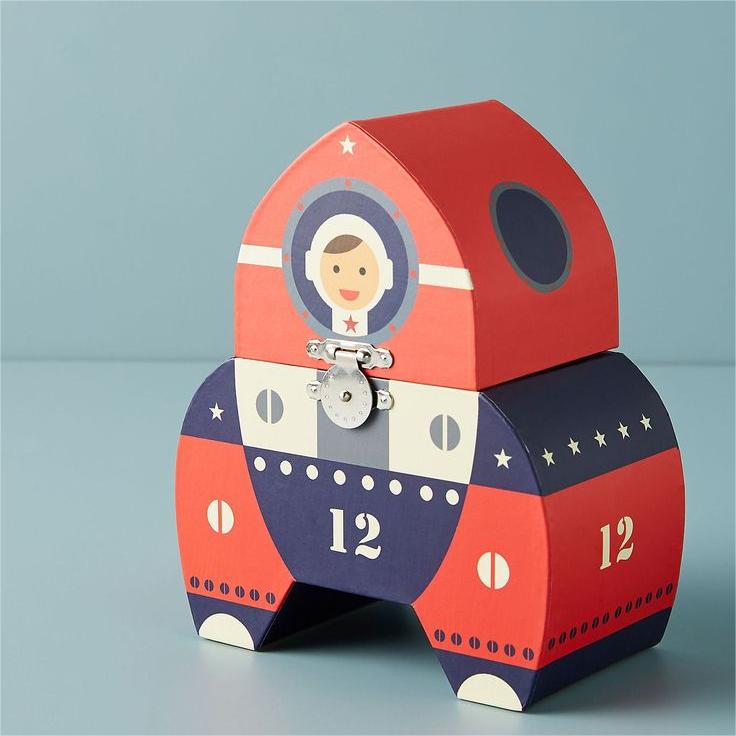
Get a Custom Toy Packaging Box Quote from LansBox
What printing methods work best for insert cards?
CMYK offset printing provides sharp, color-accurate results that match the outer box. Embellishment options like foil stamping or spot UV coating add tactile contrast. These details catch attention the moment a child or parent opens the package.
How does box structure change insert card placement?
Rigid formats dictate card positioning. A two-piece box places the card on top for immediate visibility. Drawer and sleeve boxes sequence the reveal, making the card visible only after pulling or sliding. Each structure demands a different card thickness and edge finish to prevent snags.
Material testing matters here. LansBox offers flexible order sizes, allowing brands to validate insert fit in small batches before committing to full production runs. The company’s eco-friendly material options include recyclable paperboard that maintains structural integrity without compromising environmental goals. Getting the card dimensions and score lines right avoids crushed corners and torn edges that degrade the unboxing experience. Quality inspection during assembly ensures every insert card sits precisely where the design intends.
How to integrate inserts with custom toy boxes?
Insert cards work best when the box structure, print, and finishing decisions happen together. LansBox starts every engagement with a custom quote and consultation on structure, print, and finishing, followed by sampling and production. That sequence prevents insert misalignment, wasted card stock, and rework costs that erode margins.
Toy packaging insert cards serve three jobs: hold the toy in place, reinforce brand messaging, and guide the unboxing sequence. A card that shifts during transit damages the product. A card that hides the toy wastes the reveal. LansBox addresses both through an integrated service stack that includes quality inspection, product assembly, warehousing, logistics, and drop-shipping. The insert gets checked inside the assembled box, not as a loose component.
What insert formats suit rigid toy boxes?
Rigid formats demand different insert approaches. A two-piece lift-off box pairs well with a die-cut foam or paperboard tray. A magnetic closure box benefits from a printed insert card layered over the product. Drawer structures need inserts that slide without catching. Each format changes the insert’s dimensions, thickness, and print placement.
How does insert integration affect fulfillment costs?
Poor insert fit slows packing and increases damage claims. LansBox consolidates packaging and fulfillment workflows through substantial warehouse capacity and partnerships with established couriers. That consolidation lets brands ship directly to customers with speed and reliability. Client results include meaningful operational savings and supply chain programs that boost inventory turnover and reduce costs further. The insert becomes part of one accountable workflow, not a separate vendor headache.
For brands needing custom retail boxes with consistent quality, insert integration starts at the structural consultation. Directs users to conversion points for custom packaging services.
FAQ
How do custom printed insert cards reduce returns for toy sellers?
Insert cards hold toys in fixed positions, preventing movement and damage during transit. Are custom printed insert cards compatible with eco-friendly packaging? Yes. Brands keep sustainability claims intact without sacrificing structure or print quality.
Can toy insert cards include a QR code for customer reviews?
Yes. An insert card can pair a short thank-you line with a QR code linking straight to the product review page, prompting buyers to leave a review at the exact moment unboxing satisfaction peaks.
Which toy box formats work with custom insert cards?
Insert cards fit two-piece, magnetic, book-style, drawer, and sleeve box formats. Each structure changes how the card is positioned and revealed, so the card’s thickness and edge finish are adjusted to match the box style.
Conclusion
A custom printed insert card inside a toy box turns a functional packaging component into a brand touchpoint that drives reviews and reduces returns. The card holds the toy securely, reinforces the brand message, and guides the unboxing sequence, all without adding a separate fulfillment step. For any brand ready to strengthen that first impression, the next move is a structural consultation that aligns the insert with the box format, print method, and material choice from the start.
 EN
 DE
 FR
 PL
 PT
 ES
 JA
 RU
 AR
 IT
 NL
 TR
 KO