

Designing heavy-duty packaging for wooden toys and educational sets requires corrugated board with high burst strength and precise die-cut inserts. LansBox produces custom boxes that secure heavy components during transit. Interior dividers prevent movement and damage. Exterior printing reinforces brand identity. This approach reduces returns and protects product integrity.
Get a Custom Toy Packaging Box Quote from LansBox
What makes heavy-duty packaging for wooden toys different?
Heavy-duty packaging for wooden toys protects against impact and compression during transit. Multi-piece sets face the highest risk of damage without reinforced structure.
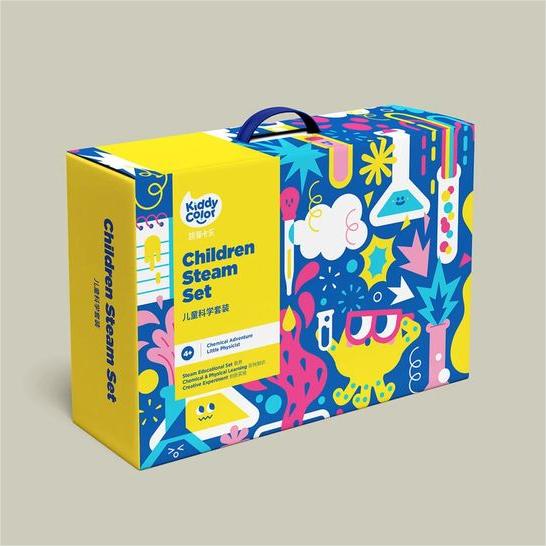
Wooden toys carry real weight. A color box remains the most common packaging style for wooden toys. It works as the safest, most competitive option for online sellers. The same box can scale from very small to large with a handle. Strength and material choice directly affect cost, so product managers must specify board grade before quoting.
Wooden toy packaging demands more than a standard mailer. LansBox engineers heavy duty cardboard toy boxes to absorb stacking pressure in warehouse and courier networks. All of LansBox’s paper-based packaging solutions are 100% recyclable, which matters for Montessori and STEM brands marketing to eco-conscious parents.
How does interior printing improve heavy duty toy boxes?
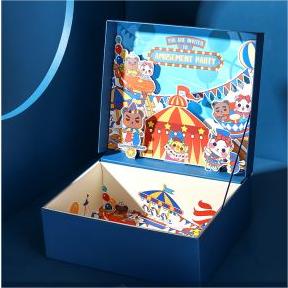
LansBox offers interior printing as well as exterior printing across all custom box styles. This allows branding inside the lid or within dividers. A child opens the box and sees a continuation of the story, not raw brown board.
What should designers prioritize for educational toy sets?
Educational toy box packaging must appeal to both the child user and the adult buyer. Fun visuals attract the child. Safety and durability cues reassure the parent. NEWPRINT’s toy packaging guidance frames this dual appeal as the core design requirement.
Follow these steps when specifying heavy duty packaging:
- Confirm the total weight and piece count of the wooden toy set.
- Select board grade and flute profile for compression resistance.
- Request interior printing for dividers or lid branding.
- Validate a prototype through drop and stack testing before mass production.
Skipping step four risks crushed corners and returned inventory. LansBox’s prototyping service validates structure and print outcomes before full runs begin.
What materials work best for educational toy box packaging?
Material selection for educational toy box packaging balances structural integrity with brand perception. LansBox supplies eco-friendly material options, including recyclable paper-based substrates that meet sustainability goals for educational sets. The right substrate protects multi-piece kits and signals quality to discerning parents and educators.
Get a Custom Toy Packaging Box Quote from LansBox
What makes a material durable enough for heavy toy sets?
Heavy duty cardboard toy boxes rely on double-layered sidewalls or corrugated board to resist crushing during shipping. This construction prevents damage to wooden counting blocks, STEM puzzles, and other weighty components. A roll-end tuck-top box built with these reinforced walls delivers the strength educational kits demand. Without that rigidity, returns spike and brand trust erodes.
How do window boxes influence buyer confidence?
Window boxes allow customers to see and sometimes touch the wooden toy inside, building trust in product quality before purchase. A clear acetate panel transforms passive shelf appeal into active quality verification. For wooden toy packaging, this transparency proves especially valuable. Natural wood grain and precise joinery become visible selling points that no printed graphic can replicate.
Material choices also affect production timelines. LansBox production times typically range from 10 to 30 business days, accommodating custom material sourcing and prototyping. This window supports sampling different paper stocks and corrugated grades before committing to a full run.
How do you design internal organization for multi-piece STEM sets?
Internal organization for multi-piece STEM sets demands modular inserts and dividers. These components keep individual pieces separated, preventing scratches and tangles in educational toy box packaging. A well-structured interior transforms a chaotic pile of parts into an inviting, instructional experience. Without precise compartmentalization, brands risk returns from frustrated parents and damaged components.
What insert styles work best for heavy wooden components?
For heavy-duty cardboard toy boxes, a tuck-top or roll-end design with reinforced corners adds structural integrity. The roll-end tuck-top box, built with double-layered sidewalls, provides excellent strength and durability for heavier components. This style prevents the box from buckling under the weight of dense wooden blocks or metal hardware. A pizza-style box also works well here. Its large opening simplifies packing and retrieval, though the expanded area increases material cost slightly.
How can the box interior teach assembly?
Interior printing turns the box lid into an instruction panel. LansBox offers interior printing across all custom box styles, allowing brands to label compartments or print assembly steps directly inside the lid. A numbered diagram mapped to the tray below eliminates loose instruction sheets. The child sees the step and the corresponding part in one glance. This integration reduces paper waste and keeps the focus on the build.
Prototyping validates every structural choice before production begins. LansBox supports design files in PDF, PSD, and JPEG formats and offers prototyping to confirm that inserts fit precisely. A prototype reveals whether a divider wall is too short or a finger notch too small. Catching these flaws early avoids costly rework on a full production run. For brands seeking a premium unboxing moment, a custom magnetic closure rigid box elevates the perceived value of a high-end STEM kit. The prototyping step ensures the magnetic closure aligns perfectly with the internal tray, delivering a seamless reveal.
What printing and finishing options protect your brand on shelf?
Modern CMYK printing and a wide set of embellishments deliver consistent, high-quality graphics on wooden toy packaging. LansBox pairs these print capabilities with interior and exterior printing options, plus recyclable paper-based materials. The result is a box that survives shelf handling without losing its visual punch.
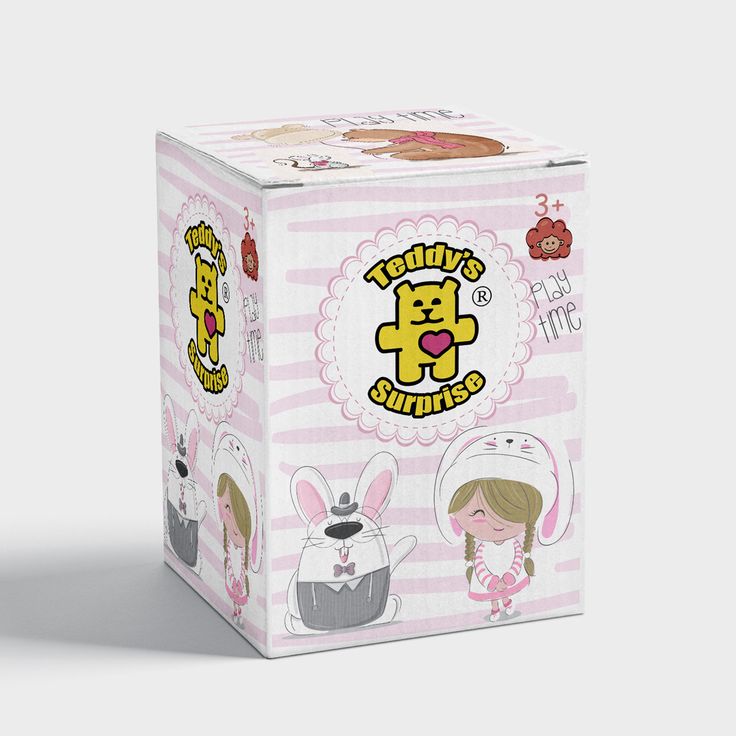
The best toy packaging design invites children to play with the toy inside, according to NEWPRINT. Popping colors and character-driven graphics pull young eyes toward the shelf. Parents read the same box as a signal of safety and quality. A dull or flimsy package loses that dual appeal before a single hand reaches for it.
Get a Custom Toy Packaging Box Quote from LansBox
What file formats does LansBox accept for toy box artwork?
LansBox accepts PSD, PDF, and JPEG files for paper box design submissions. Design teams hand off layered artwork without converting to proprietary formats. This straightforward file workflow reduces production delays and keeps print quality intact.
Which finishing choices hold up under retail handling?
Follow these steps to select finishes that protect the brand on shelf:
- Choose a matte or gloss lamination to guard against scuffs and fingerprints.
- Add spot UV on the logo or character art to create contrast that catches shelf light.
- Specify heavy duty cardboard toy boxes for structural rigidity during stacking and restocking.
- Request interior printing for unboxing moments that reinforce the brand after purchase.
LansBox consolidates processing, warehousing, and logistics to boost inventory turnover by 15% or more. That operational gain matters when educational toy box packaging must reach shelves fast and look flawless on arrival. Custom retail boxes tailored to exact size, material, and finish needs keep every unit consistent. Directs users to conversion points for custom packaging services.
How do you test and validate heavy duty toy box performance?
Testing validates structural integrity before a single carton ships. LansBox runs thorough quality inspections as part of its supply chain solutions, catching structural issues before shipment. Prototyping allows brands to test drop, compression, and fit for heavy duty cardboard toy boxes before committing to full production runs. Skipping this step risks crushed corners, split seams, and damaged wooden toys arriving at customer doorsteps.
What physical tests should a heavy duty toy box pass?
- Drop test. Drop the filled box from counter height onto concrete. Check corners and seams for splitting.
- Compression test. Stack multiple filled boxes for 24 hours. Measure any deformation in the bottom carton.
- Fit test. Insert the actual wooden toy, padding, and inserts. Confirm nothing shifts during simulated transit.
- Moisture check. Expose the box to brief humidity. Verify the board does not warp or delaminate.
For wooden toy packaging, a color box with a handle is often the most safe and competitive way to ship online orders. The cost of the same box varies by strength and material. LansBox supports design file formats such as PDF, PSD, and JPEG, and offers prototyping to validate structure and print outcomes before mass production.
How many test units should a brand order first?
The minimum order quantity for LansBox varies depending on the product and level of customization. Small test batches work well for validating structure. Scaling volumes follow once prototypes pass inspection. Brands creating custom shipping boxes can apply the same testing sequence to create shipping boxes that survive real-world handling.
What happens after a box fails a test?
A failed test triggers a design revision. LansBox adjusts board grade, flute direction, or insert geometry. The revised prototype goes through the same test cycle again. Only boxes that pass every check enter the production queue.
FAQ
What materials work best for educational toy box packaging?
LansBox supplies eco-friendly material options, including corrugated board and recyclable paper-based substrates. Heavy-duty packaging for wooden toys protects against impact and compression during transit using corrugated board with high burst strength and precise die-cut inserts.
What is the minimum order quantity for custom wooden toy boxes?
The minimum order quantity varies depending on the product and level of customization. Brands can start with a small test batch to validate structure and print quality before scaling to full production volumes.
How long does production take for heavy duty toy packaging?
LansBox production times typically range from 10 to 30 business days. This window covers custom material sourcing and prototyping, so brands can test board grades and insert designs before committing to a full run.
Conclusion
Designing heavy duty packaging for wooden toys and educational sets comes down to matching structure, print, and testing to the product’s weight and the brand’s promise. A brand that validates its box through prototyping, selects durable finishes, and uses interior printing to guide assembly eliminates waste and protects the unboxing experience. That approach turns packaging from a cost center into a tool that keeps inventory moving and customers returning.
 EN
 DE
 FR
 PL
 PT
 ES
 JA
 RU
 AR
 IT
 NL
 TR
 KO